Twee keer geraakt: vrouwen zwijgen op het werk én zijn duurder verzekerd Twee keer geraakt: vrouwen zwijgen op het werk én zijn duurder verzekerd

Twice the price: women are silent at work and have higher insurance rates

| Claire van Beek |4 min reading time

tl;dr

New research shows that 1.5 million women conceal their hormonal complaints at work, while employers pay higher premiums for female employees.
The cause lies not with women themselves, but with structural inequality in healthcare and the workplace.
More openness, better research, and practical support, such as menstrual and incontinence underwear, can make a difference.

Last week two striking reports came out.

  • One: the new TNO report shows that women often hide their hormone-related complaints, such as menstrual or menopausal problems, at work.
  • Two: employers have to pay more to insure female employees, because women are on average sick more often.

Individually, these are already alarming. Together, they reveal what inequality surrounding women's health will look like in 2025.

What does the TNO report say?

The report “Hormone-related health complaints in women: the impact on work” shows that:

  • 1.5 million women in the Netherlands experience limitations at work due to complaints such as menstruation, pregnancy or menopause.

  • Strategic concealment is the norm: women often do not mention their complaints, for fear of misunderstanding or negative consequences.

  • The conversation about these topics in the workplace is still not accepted .

In other words: complaints do exist, but they often remain invisible.

More premium for women

As if that weren't enough, it emerged last week that employers are paying higher premiums to insure women. The reason? Women, on average, report sick more often.

But that's not because women are "weaker." The problem runs deeper:

  • For centuries, medical research has focused primarily on the male body. As a result, many conditions in women remain unexplained or poorly treated, resulting in 80% of people with unexplained illnesses being women.

  • Hormonal fluctuations such as menstruation, menopause or pregnancy also cause complaints that some women suffer severely from.

This not only means that women are sick more often, but also that they often come to the office even though they actually feel ill , simply because they don't dare discuss their complaints with their manager.

The result? Women pay the price with their health, employers bear the higher costs, and this can even lead to discrimination in the labor market.

What can we do?

There is work to be done on several fronts:

  • Recognize : Women's health deserves more and better research.

  • Normalization : There should be room on the work floor to discuss complaints.

  • Equal treatment : Women should not be a financial disadvantage for employers.

  • Support : Making practical aids available to women, such as menstrual and incontinence underwear. This gives women more security and freedom every day.

Conclusion

The combination of the TNO report and the higher insurance premium shows that women face structural inequality, both in healthcare and at work.

It's time to stop being silent, invest in women's health, and make the rules fairer. Because 1.5 million women in the Netherlands deserve better.

tl;dr

New research shows that 1.5 million women conceal their hormonal complaints at work, while employers pay higher premiums for female employees.
The cause lies not with women themselves, but with structural inequality in healthcare and the workplace.
More openness, better research, and practical support, such as menstrual and incontinence underwear, can make a difference.

veel gestelde vragen over het blog 'Twice the price: women are silent at work and have higher insurance rates'

How can Moodies help on workdays when menstrual or menopausal complaints flare up?

Comfort and reliability make busy workdays much more manageable.
• You have to change less frequently (depending on absorption and your day), which provides peace of mind in a busy schedule.
• This allows you to focus more easily on meetings, travel, or long shifts, even if you're not feeling great.

Which Moodies absorbency level works best if you're afraid of leaking at work?

Choose an absorbency that suits your flow and the length of your workday.
• Super or Super+ for heavier bleeding or days when you can change less frequently.
• Medium is often sufficient on lighter days or towards the end of your period.
• In doubt? Go for a higher absorbency level or take an extra pair of underwear with you on the go.

Are Moodies period panties comfortable enough for a whole workday?

Yes, it feels like soft, regular underwear but with extra security.
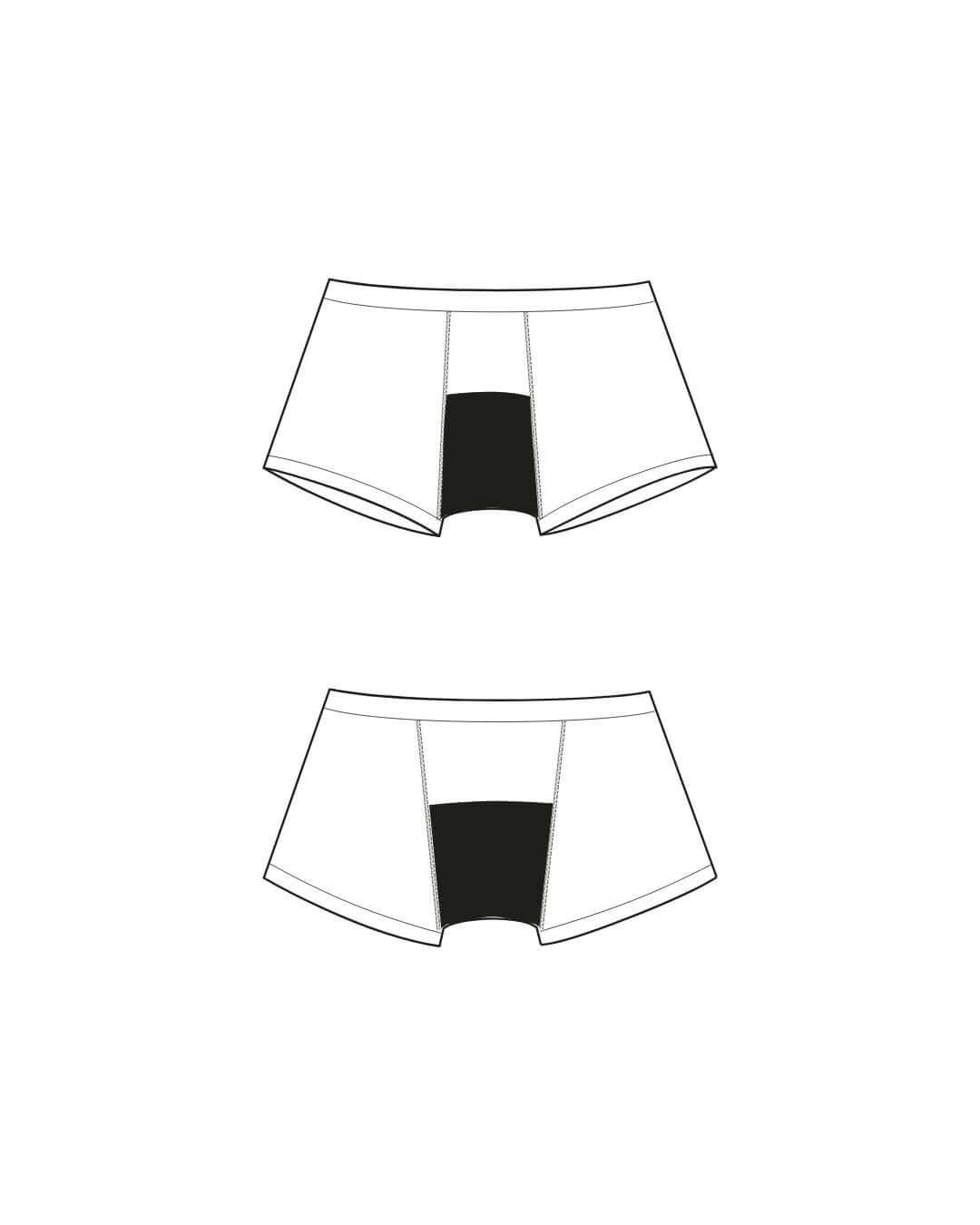
• The absorbent layer is thin, flexible, and breathable.
• The material fits snugly and moves with you when walking, cycling, and in various working postures.
• With the right absorbency level, it remains comfortable all day long.

Do Moodies help you worry less about odor or freshness during busy workdays?

Yes, the technical layers are designed for long-lasting freshness without perfume.
• The absorbent layer quickly wicks away moisture and helps control odors.
• Breathable materials keep you dry and comfortable, even on long days.
• Change your underwear daily (or more often if you prefer) for optimal freshness.

Moodies' bestsellers

menstrual swimwear - swimsuit | moderate-heavy - 2-3 tampons | women

menstrual swimwear - swimsuit | moderate-heavy - 2-3 tampons | women

€67,95
€67,95
menstrual swimwear - bikini | medium - heavy - 2 to 3 tampons | girls

menstrual swimwear - bikini | medium - heavy - 2 to 3 tampons | girls

€35,95
€35,95
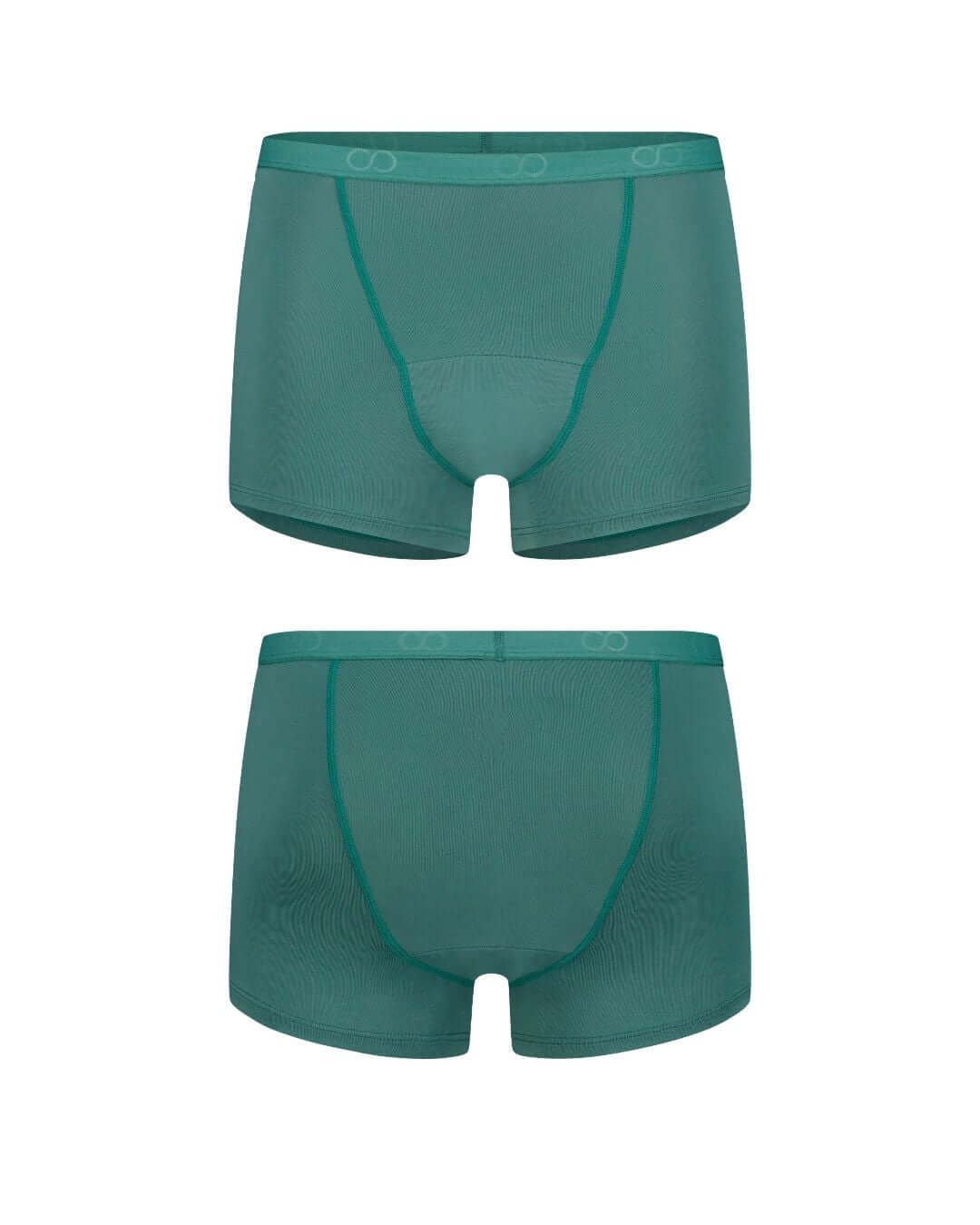
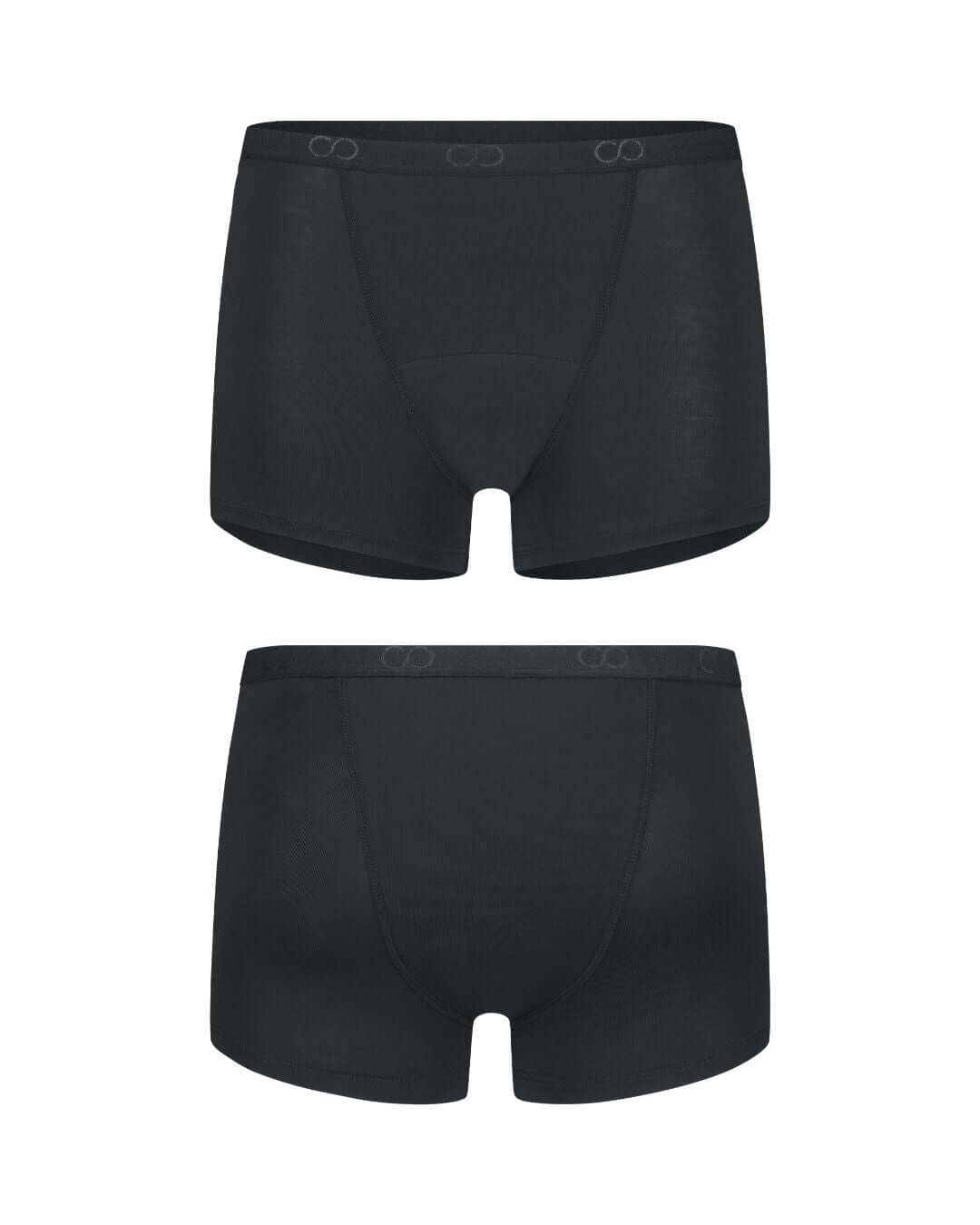
boyshort | super - 5-6 tampons

boyshort | super - 5-6 tampons

€30,95
€30,95
thong lace | light - 1 tampon

thong lace | light - 1 tampon

€27,95
  • €27,95
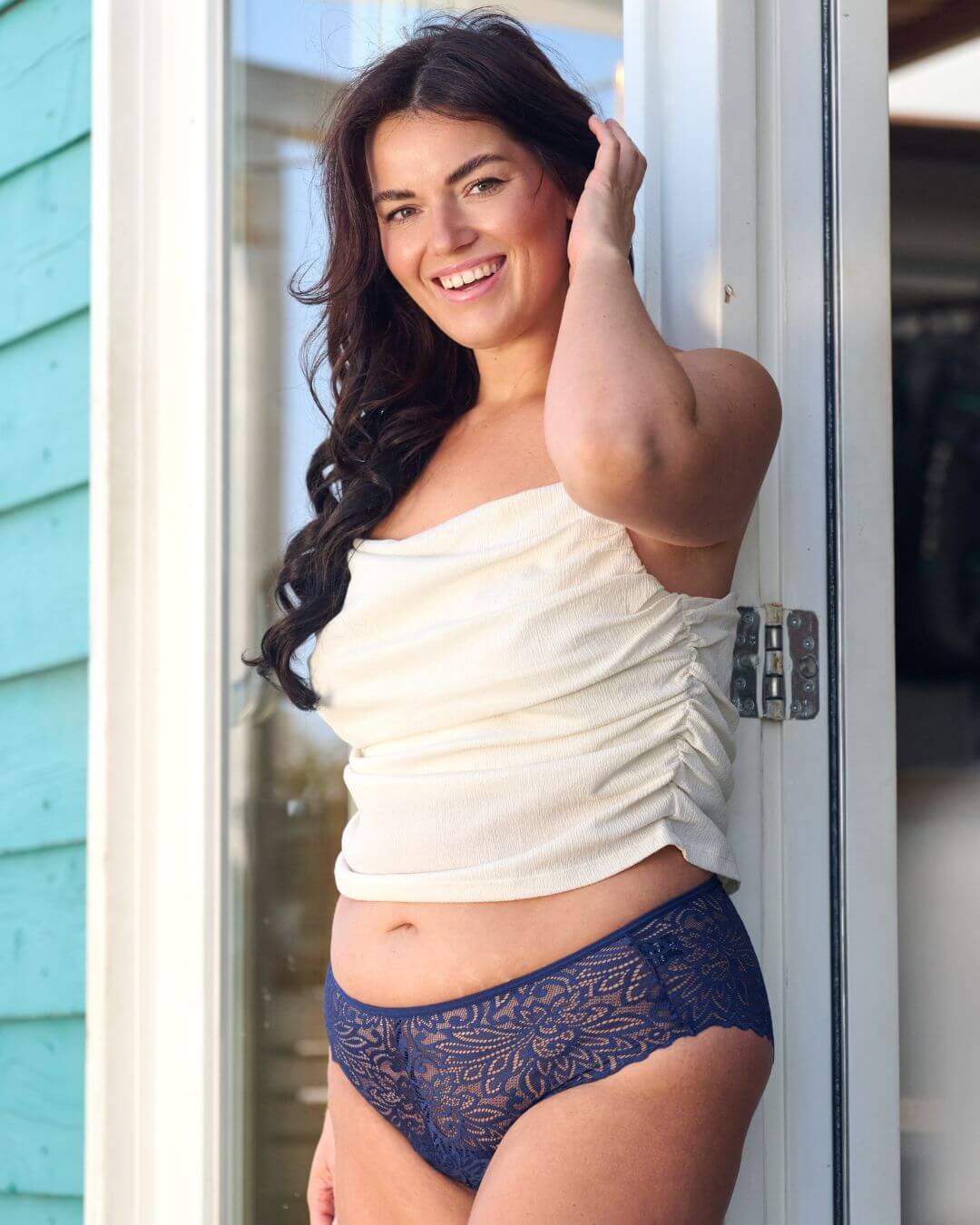
    everyday hipster lace | moderate-heavy

    everyday hipster lace | moderate-heavy

    €32,95
    €32,95