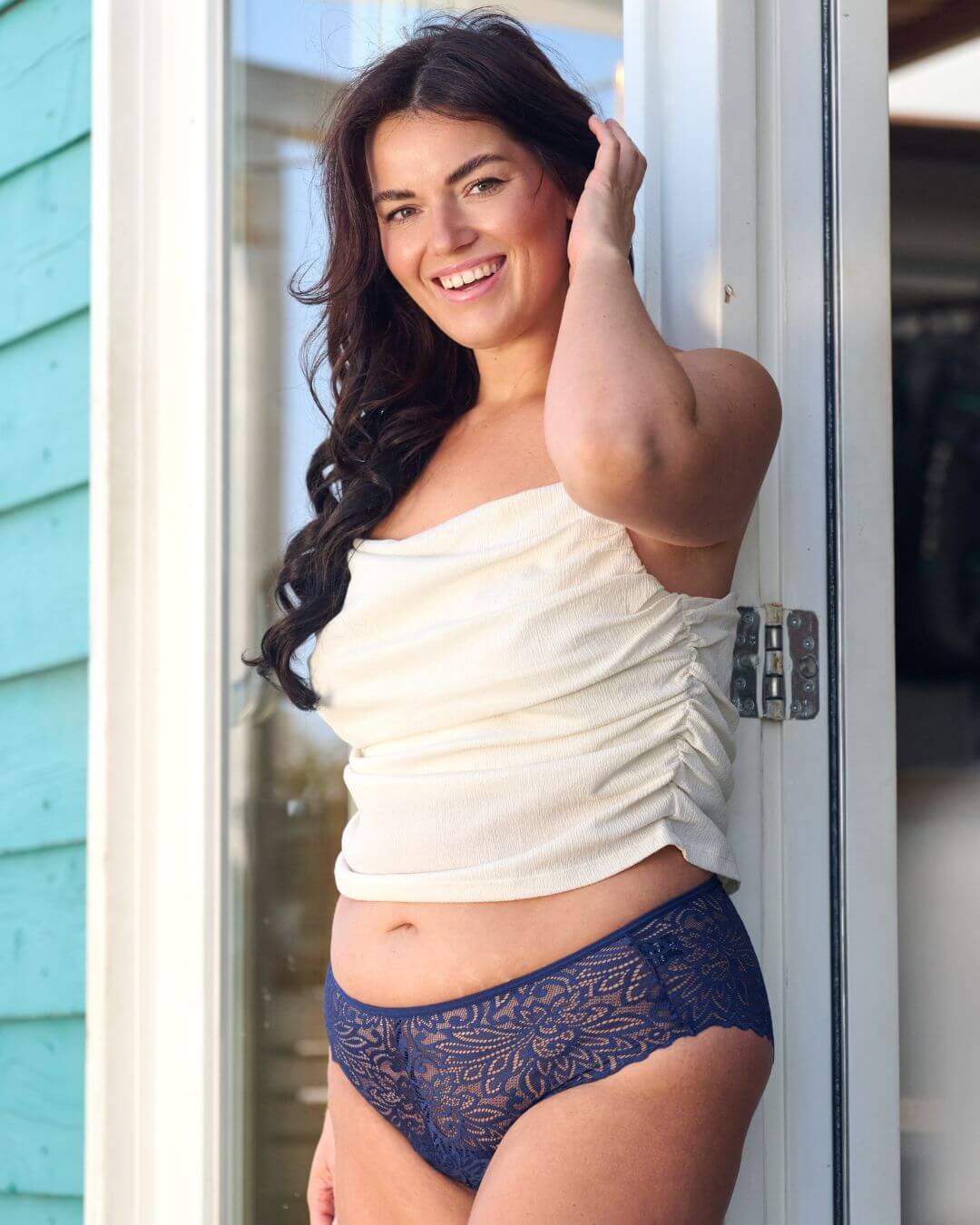
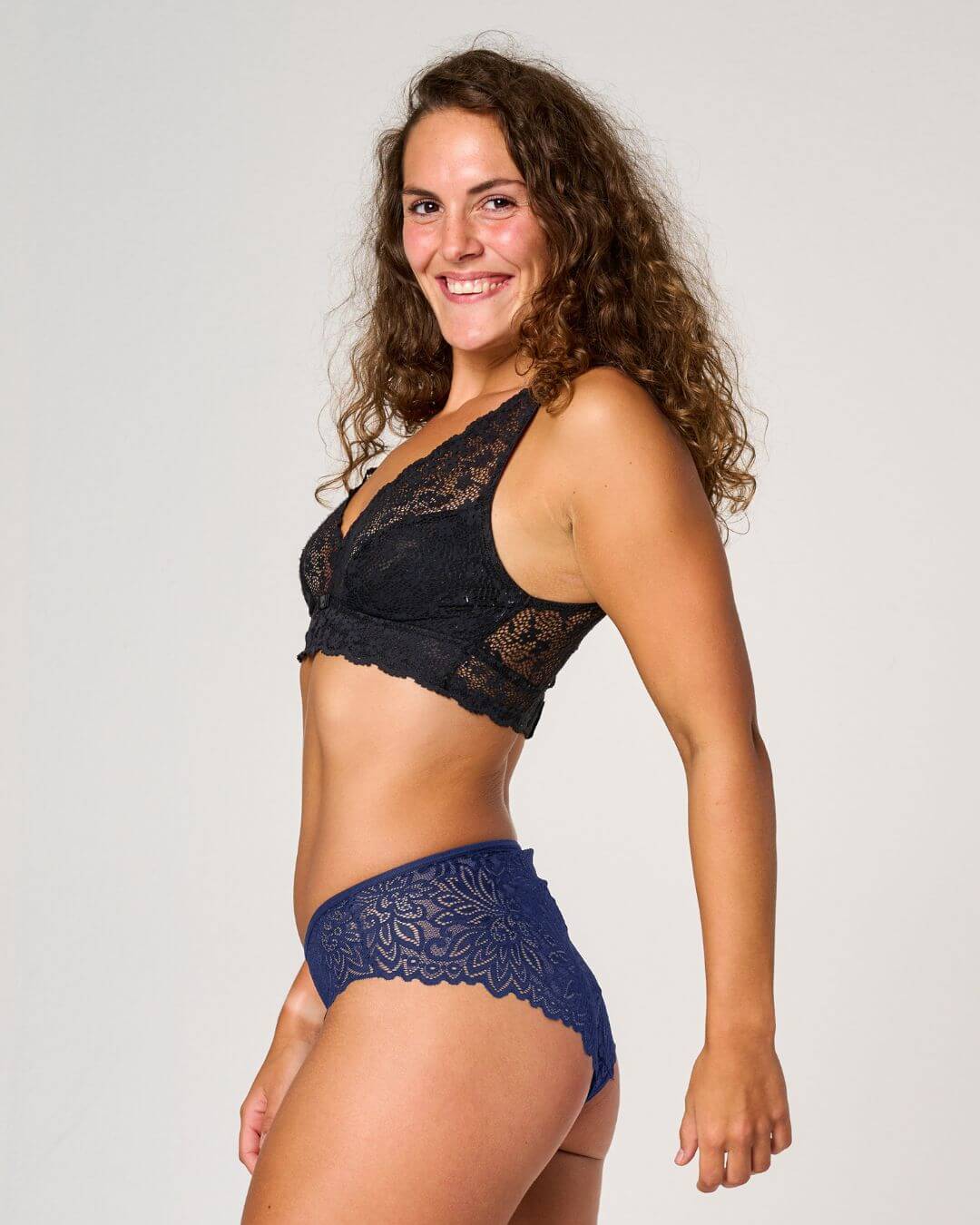
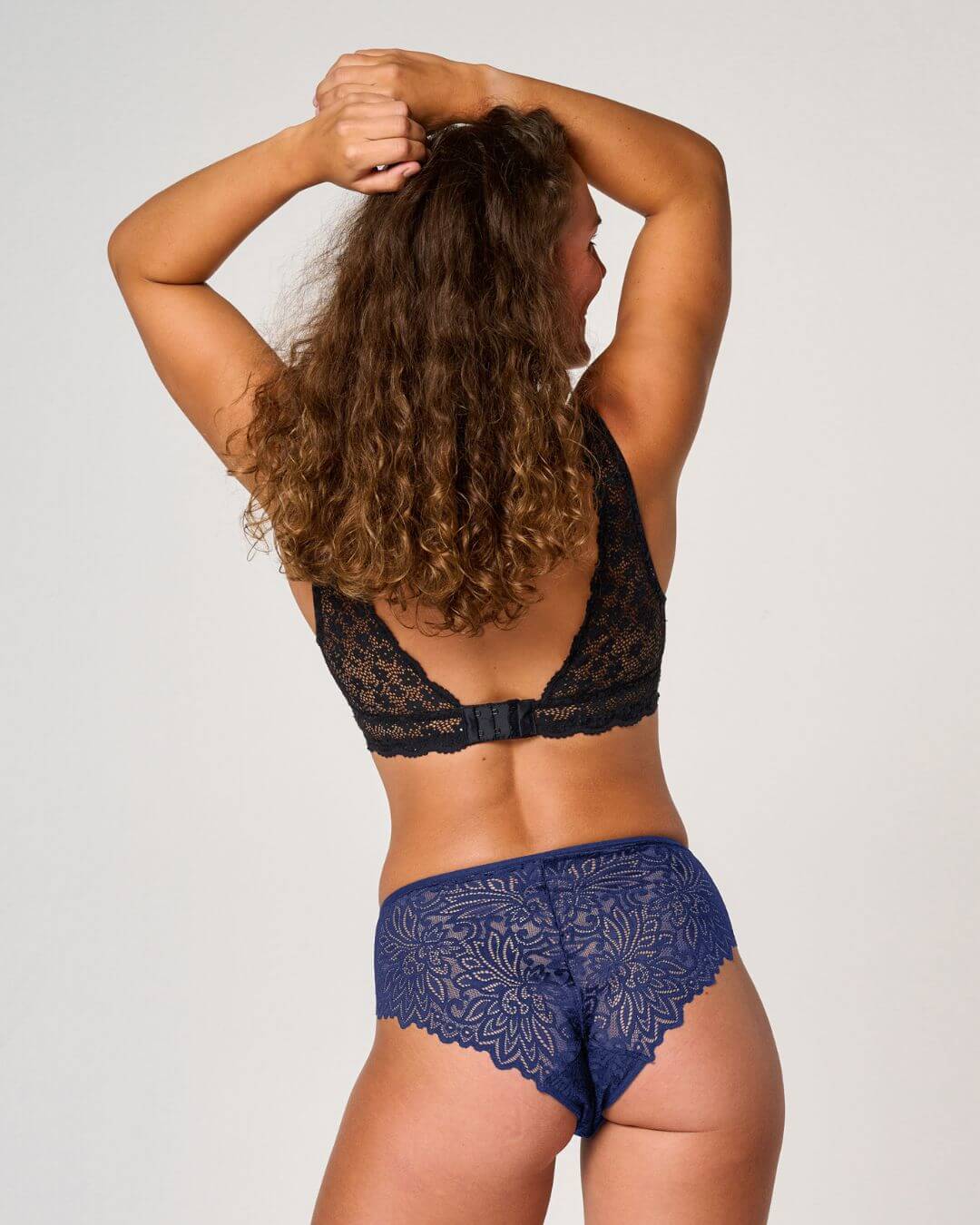
22 March is World Water Day. A day to reflect on something we often take for granted: clean water. Your period products have a water story too. That story is just less simple than you might think. That's why we've listed what research does and doesn't say about it.
Water is in the whole chain
Almost everything you wear requires water. Cotton is a thirsty crop: according to WWF, producing one cotton T-shirt takes around 2,700 litres of water [1]. Disposable pads and tampons are made from materials including cotton, cellulose and plastic, and you only use them once. Every cycle, production starts again.
Less period waste, because washable and reusable
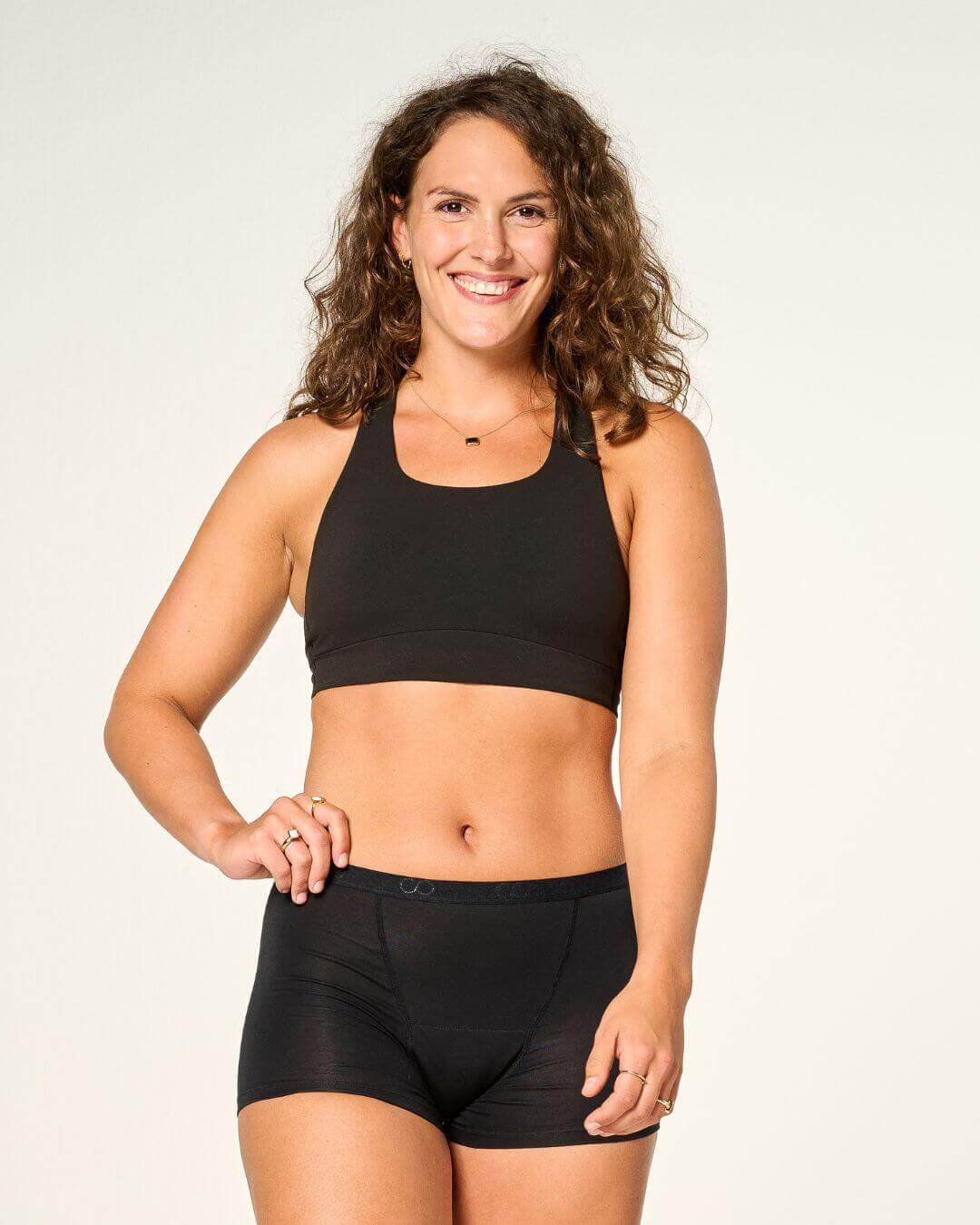
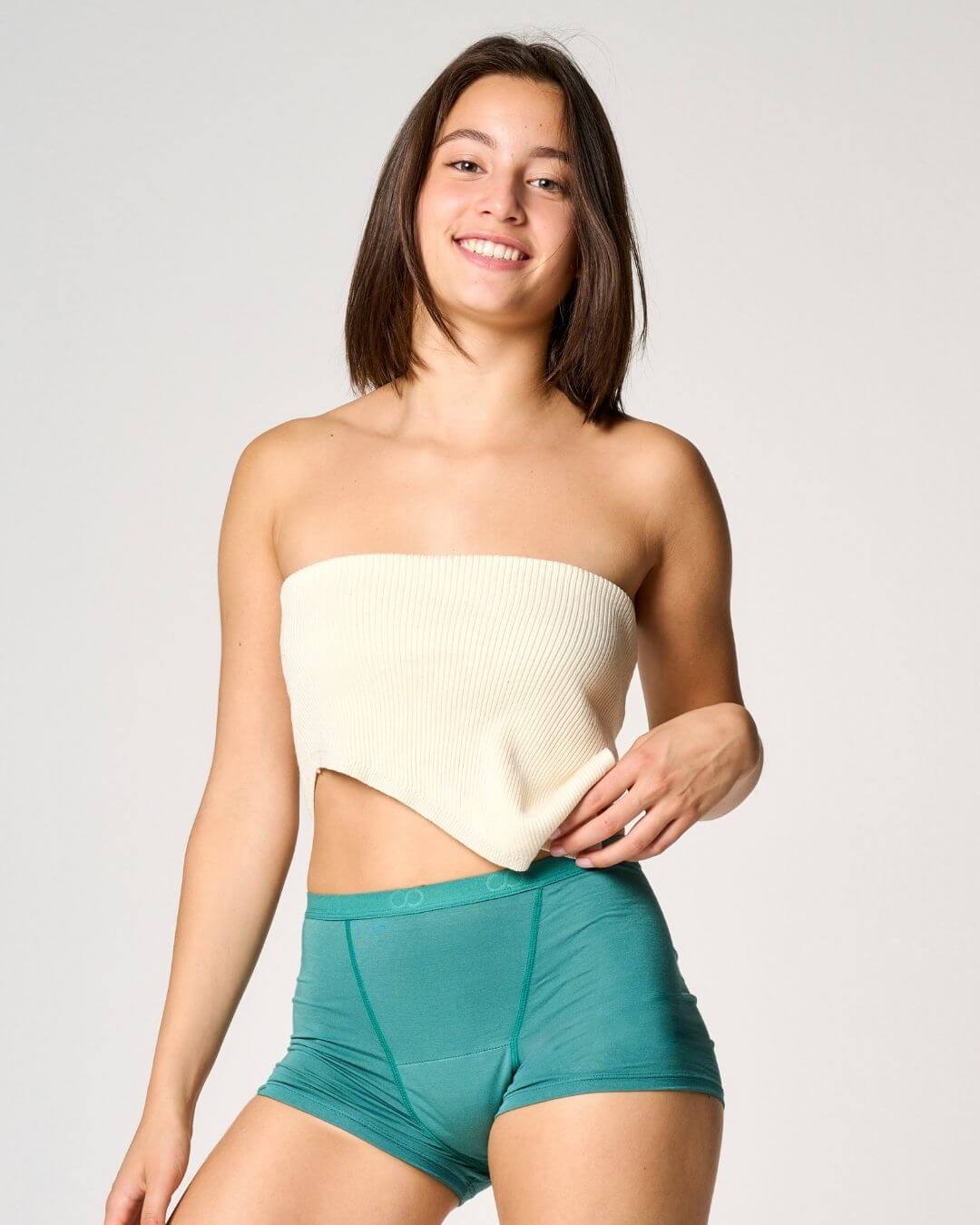
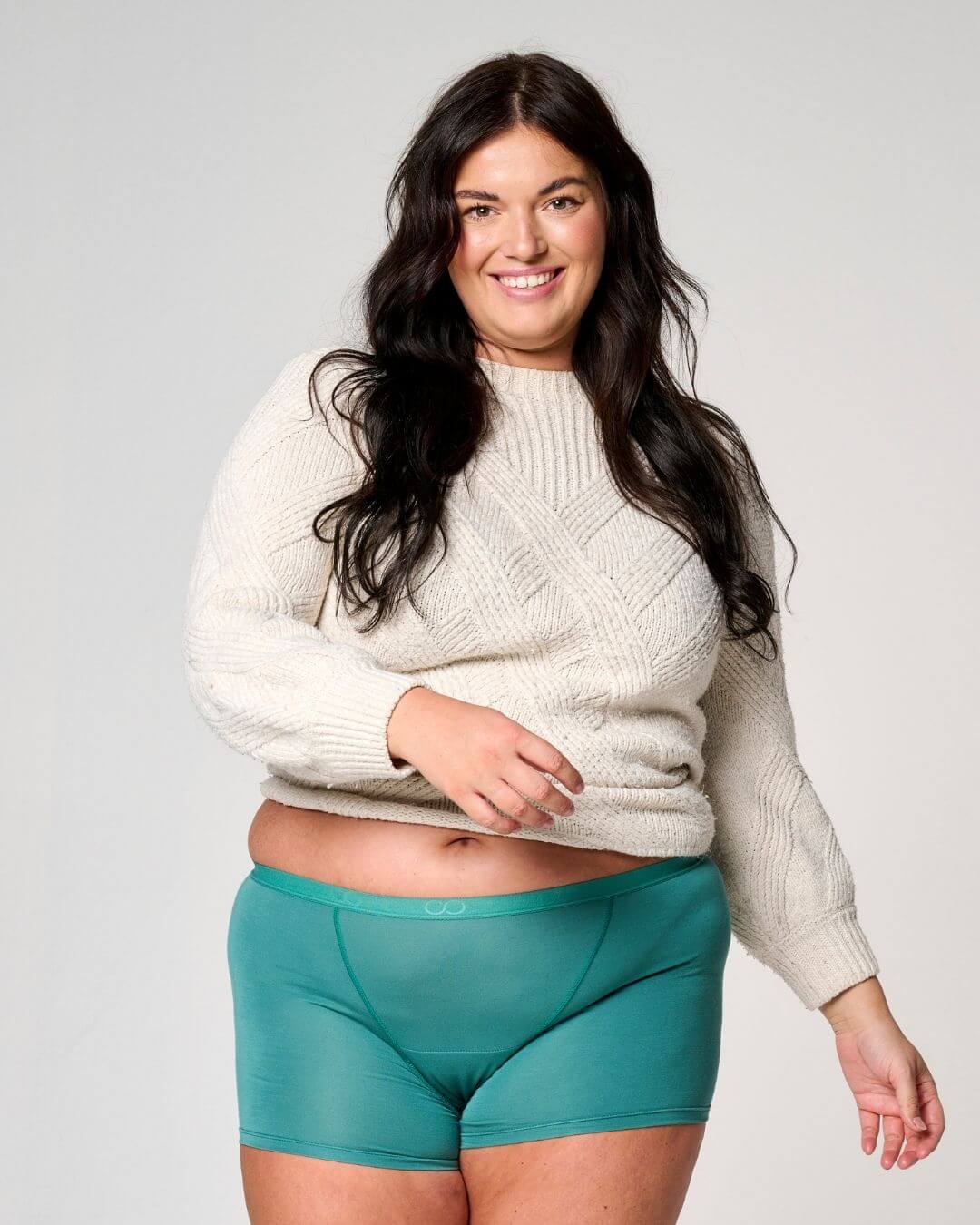
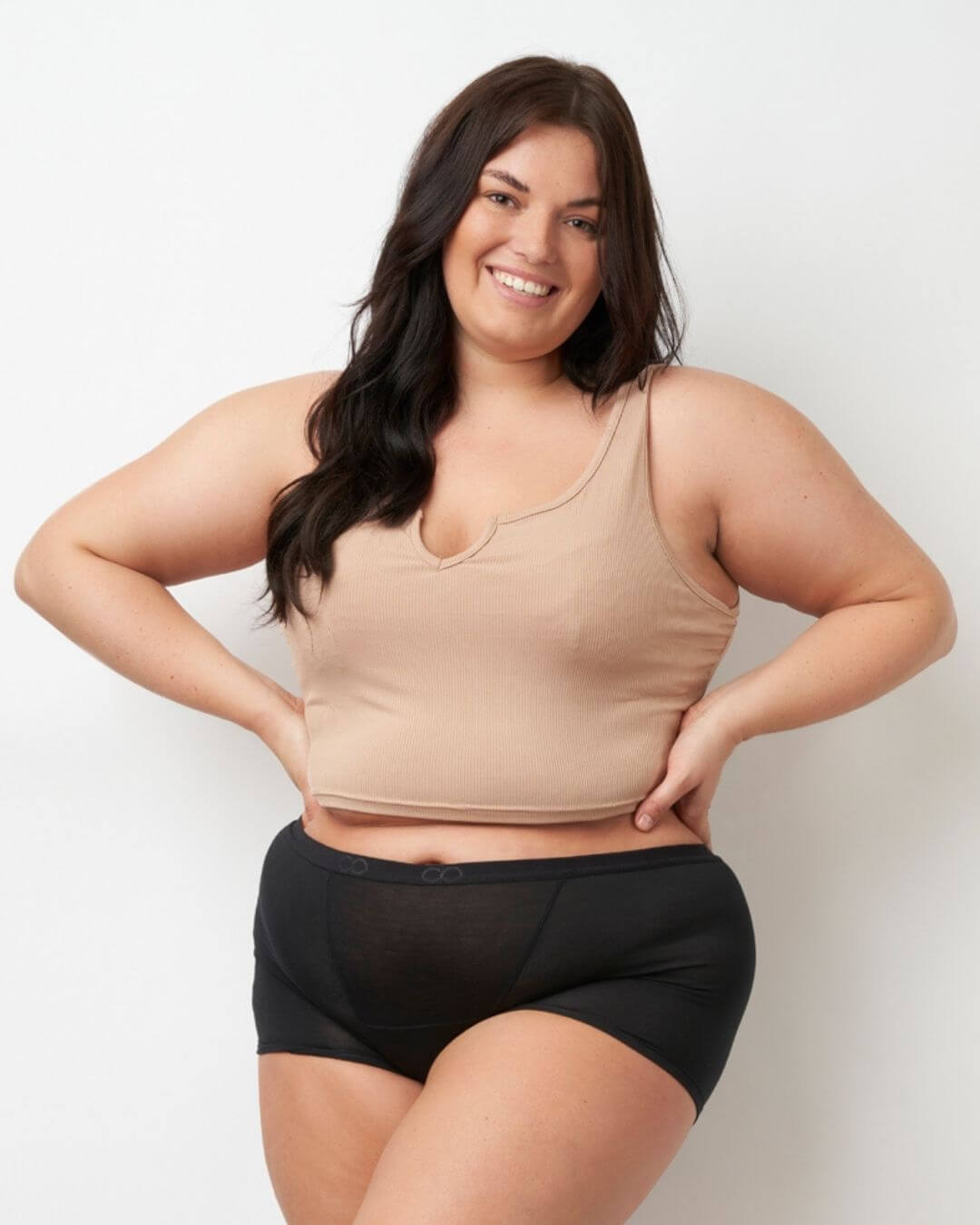
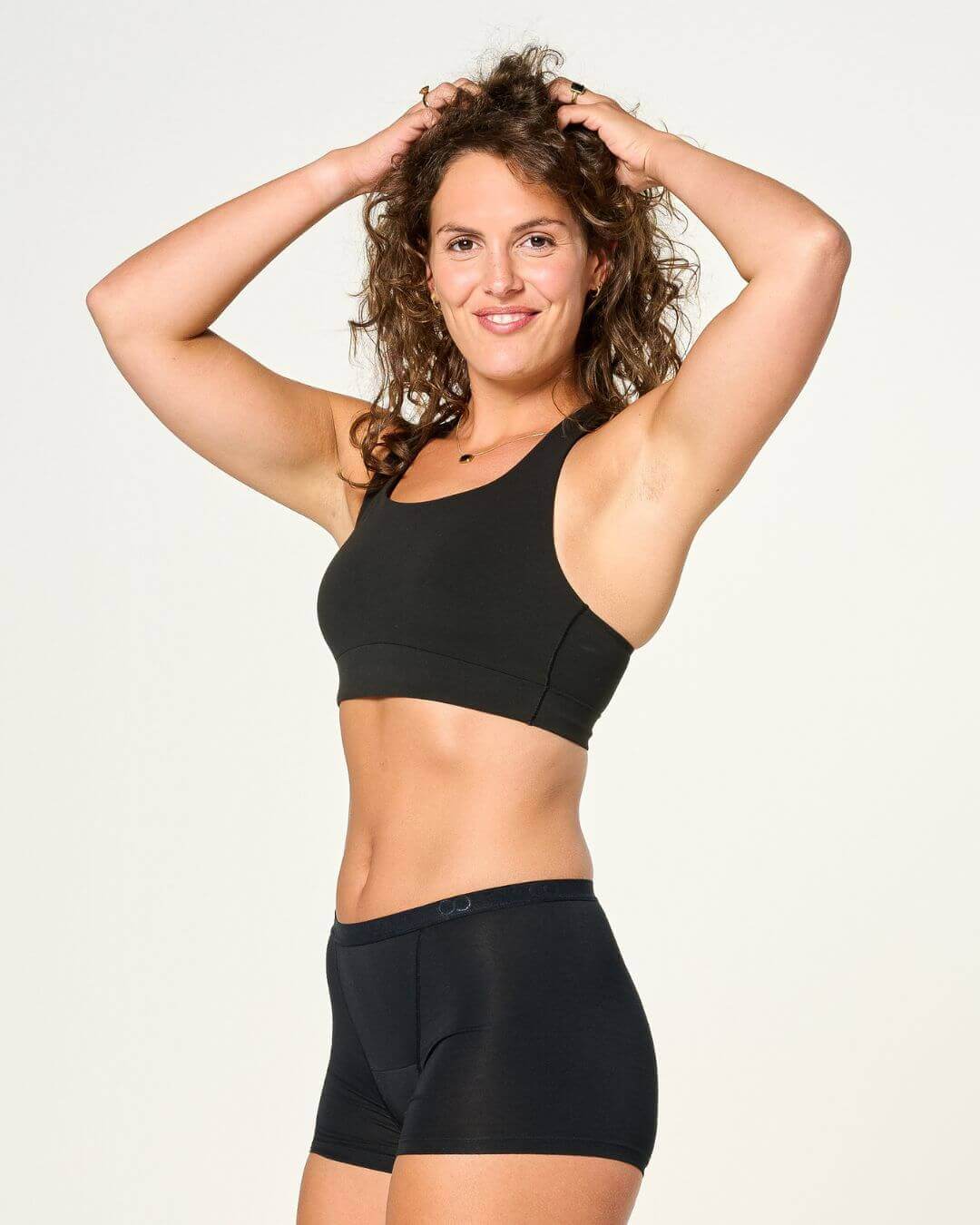
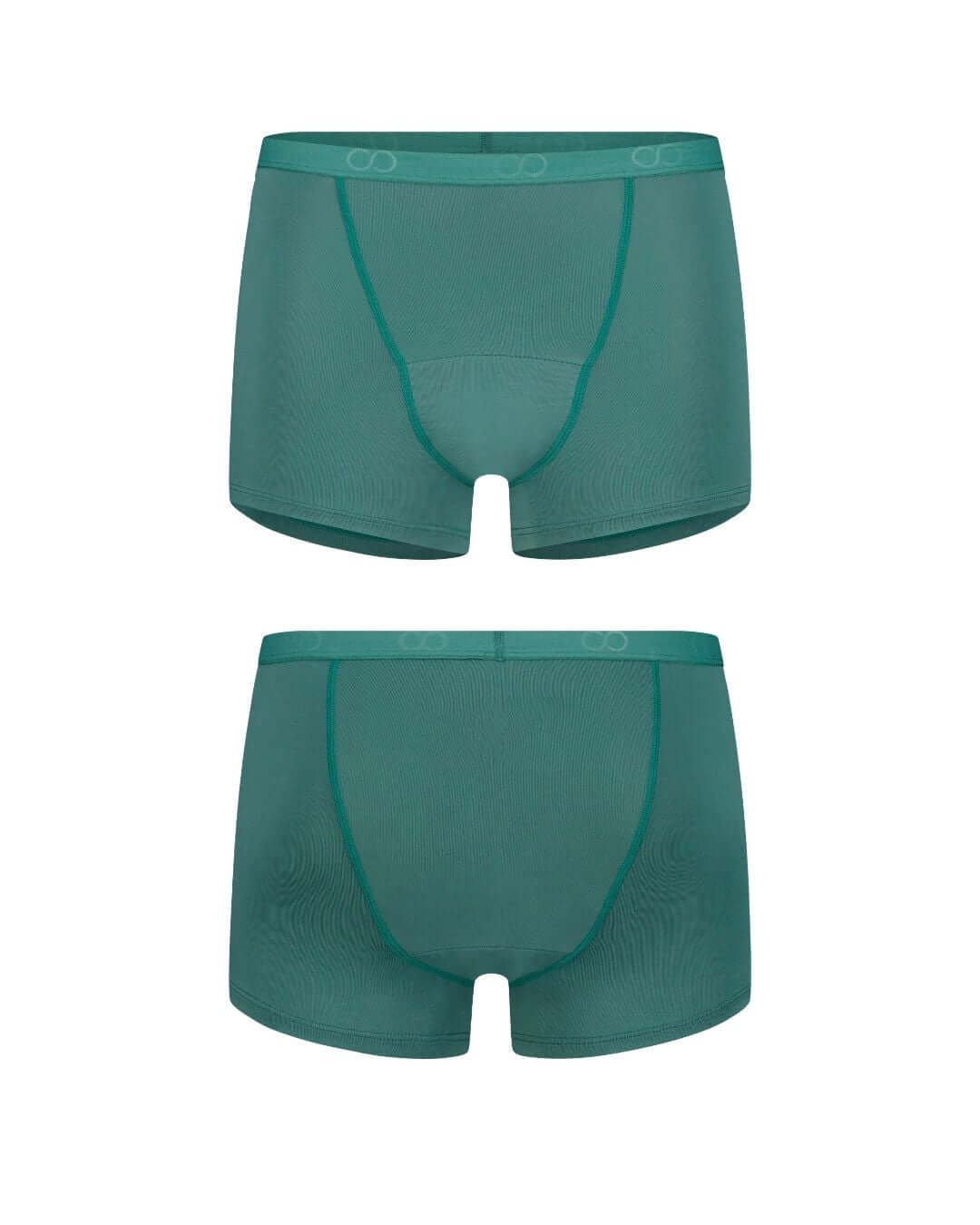
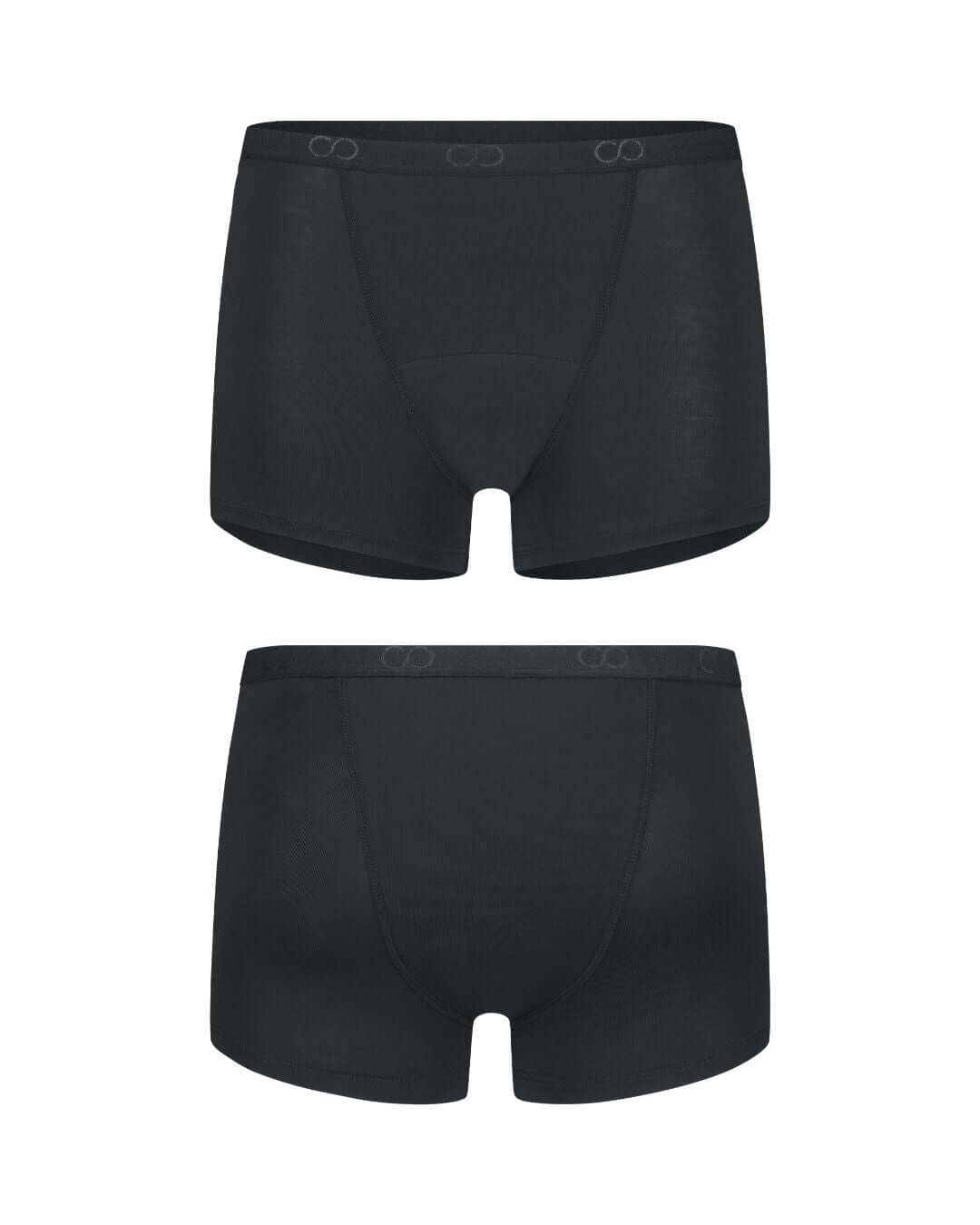
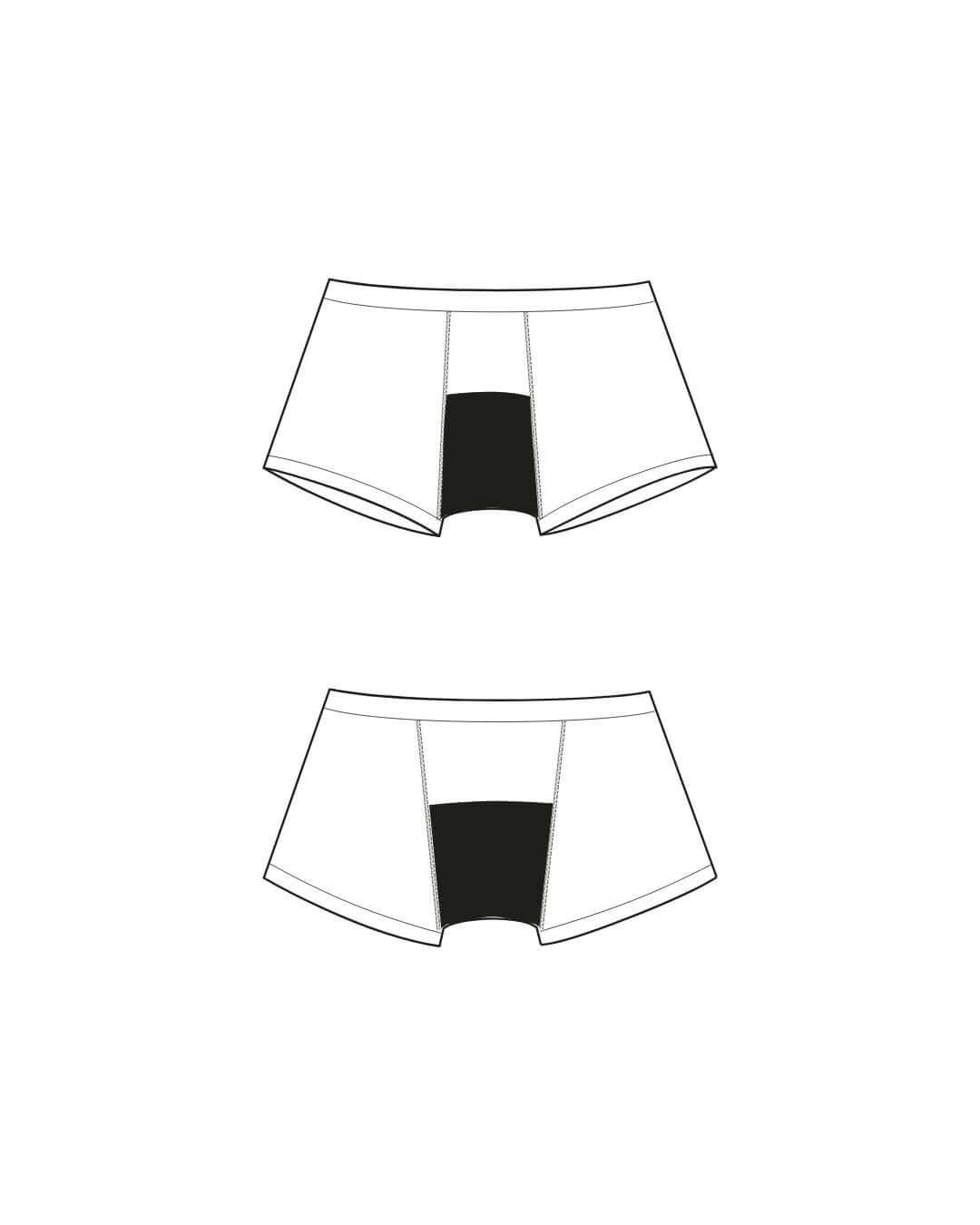
You wash a Moodies pair of pants and wear it again. That way you don't throw away a pile of pads or tampons every cycle. In the study we commissioned, one pair of pants replaced 150 disposable products over about 3 years of use [2].

What our own research says
In 2023, Stan Kremers carried out a life cycle assessment (LCA) of our bamboo Bikini Undie Light for his bachelor's thesis at Vrije Universiteit Amsterdam, commissioned by Moodies [2]. He compared one pair of pants, used for 36 cycles, with 150 pads and with 150 tampons.
The calculated impact from water use was 76% lower than that of pads and 57% lower than that of tampons. Compared to pads, the impact was lower in all eight environmental categories studied; compared to tampons, in seven of the eight. For eutrophication (over-fertilisation of water), the pants came out about 12% higher than tampons.
To be fair: an LCA works with assumptions, and the result applies to this one pair of pants as it was made in 2023. Other research, from Stanford in 2022, found that washable products can actually use more water than disposables because of washing [3]. The difference lies mainly in how you wash. Read more about our research on our environmental impact page.
How you wash makes the difference
In Stan's study, most of the impact came from the use phase, especially washing: between 41% and 82% depending on the category [2]. The UN Environment Programme (UNEP) also names the way of washing as the most important factor [4]. So you have a lot of influence yourself:
- Rinse your pants in cold water after use and then wash them with your regular laundry. That way you don't run an extra wash.
- Wash at 30°C if possible. Moodies can also be washed at 40°C.
- Only run full loads.
- Hang your pants on the line to dry instead of using the dryer.
- Don't use fabric softener. It's better for absorption, and your pants will last longer.
- The longer you wear a pair of pants, the smaller the impact per use.
What we do
Our fabrics are OEKO-TEX STANDARD 100 certified, which means they have been tested for harmful substances, and no PFAS are added. Our pants are made in a factory in China that has undergone a SMETA audit. That is an independent check of working conditions, safety and environment. Repeating the LCA with current data is on our wish list, so we can see where we stand now.
What do you think?
In the survey from the same study, 34.7% of the 142 Moodies users surveyed named water consumption as a sustainability aspect that plays a role in their choice [2]. Great that you're so aware of it. With the tips above you'll get the most out of your Moodies.
Will you join us? 💙
Sources
[1] WWF (2013), The impact of a cotton T-shirt
[2] Kremers, S. (2023). Op weg naar een duurzame periode (Towards a sustainable period). Bachelor's project, Vrije Universiteit Amsterdam, commissioned by Moodies. Public summary
[3] Fourcassier, S., Douziech, M., Pérez-López, P. & Schiebinger, L. (2022). Menstrual products: A comparable Life Cycle Assessment. Cleaner Environmental Systems.
[4] UNEP / Life Cycle Initiative (2021). Single-use menstrual products and their alternatives.