“She is only eleven.” “It feels so early.” “Is this normal?”
As a Women's Health expert, I speak to many mothers who are searching. Your daughter's first period can feel like a milestone, but also like something that suddenly accelerates her youth. As if she isn't ready for it yet and you'd rather keep her that little girl. And to be honest, many mothers themselves were never properly informed about what is normal, so this is a nice start.
In this blog, I will take you through:
- What exactly is menstruation?
- Why do girls seem to start menstruating at an increasingly younger age?
- What is normal in the first years?
- When do severe symptoms warrant attention?
- How can you provide support as a parent? (also regarding nutrition and iron)
-
How can you prepare your daughter practically and confidently, at home, at school, and on vacation?
What is menstruation, actually?
Menstruation is a normal, healthy process for women. In the brain, a small gland called the pituitary gland produces hormones (FSH and LH). These direct the ovaries to produce estrogen and progesterone. These hormones cause the uterine lining to build up. When pregnancy does not occur, hormone levels drop. The built-up lining sheds and leaves the body through the vagina. That is menstruation.
When does a period start?
Most girls get their first period between the ages of 10 and 15. On average, this is around age 12. However, 9 or 14 can also fall within the normal range. Menstruation usually starts approximately 2-3 years after breasts begin to develop and 6-12 months after vaginal discharge appears. Is your daughter 15 and still not menstruating? Or is she starting to show clear signs of puberty before the age of 8? Then it is advisable to consult a doctor.

Why do girls seem to start menstruating earlier and earlier?
Many parents notice it: girls look younger than they used to at their first period. That is no coincidence.
1. Body weight and fat percentage
Adipose tissue is hormonally active. It produces leptin, among other things, and influences estrogen. When a girl reaches a certain body fat percentage, the brain receives the signal that the body is “ready” for reproduction. Because children on average reach a higher body fat percentage earlier than in the past, puberty often starts earlier as well.
2. Endocrine disruptors
We live in a world with more chemical exposure than ever. Substances such as BPA, phthalates, and pesticides in plastics, cosmetics, and packaging that can affect the hormonal system.
Children are more sensitive to this than adults. These so-called endocrine disruptors can contribute to an earlier onset of puberty.
3. Stress
Chronic stress affects the hormonal system via the hypothalamus-pituitary axis. Prolonged stress can influence the timing of puberty. The body responds to these environmental signals.
4. Diet and blood sugar
Highly processed foods and blood sugar fluctuations affect insulin. Insulin plays an indirect role in the production of sex hormones. An early start is not automatically problematic. However, it often means that the hormonal system takes longer to stabilize. And that explains why the first years are often intense.
Are irregular and heavy periods normal in young girls?
In the first 1 to 2 years, irregular cycles are normal. Ovulation does not always occur every month. It can even take up to three years for the system to become truly stable. But there is a limit, which I will explain more about below.
When is it too intense?
Your daughter may have a heavy period if she:
- must change every hour or every two hours
- Bleeds for longer than 7 days
- loses large clots
- Leaks through despite good protection
-
has to miss school, sports, or dance
I recently spoke to a mother of a 12-year-old who leaked through completely after 1.5 hours, even with two menstrual pants. That does not mean the product is defective. It could mean that the bleeding is extremely heavy and requires further investigation.
The causes of this may be:
- Hormonal imbalance
- Iron deficiency
- Blood clotting problems
- Thyroid abnormalities
- PCOS
Medical examination is important in case of signs such as easy bruising, prolonged nosebleeds, or a family history of clotting problems.
Menstrual pain, what is normal?
Mild cramps are normal. But pain that prevents her from functioning, causing her to miss school, preventing her from dancing or playing sports, and pain that does not respond to pain medication. It is important that this is not something she is simply made to get used to, but that further investigation into the cause is conducted.

Heavy blood loss and iron deficiency during menstruation
Prolonged or heavy periods can lead to:
- Iron deficiency
- Anemia
- Extreme fatigue
- Dizziness
- Concentration problems
How can you support iron through diet?
- Red meat (if suitable and preferably grass-fed)
- Eggs
- Lentils
- Dark green leafy vegetables
- Pumpkin seeds
-
Legumes
Combine plant-based iron sources with vitamin C (bell peppers, citrus fruits, kiwi) for better absorption. In case of persistent fatigue, it is advisable to have ferritin and hemoglobin checked.
The emotional and mental side
An early cycle affects more than just the body. Your daughter may experience:
- Crying faster
- Irritability
- Insecurity
- Fear of leaking
- Shame
Severe PMS can also occur. If they occur monthly:
- has extreme mood swings
- Feels hopeless
- Gets dark thoughts
Then that is not puberty, and so it really deserves attention.
How can you provide support as a parent?
Let's start by talking about it before it starts. There is still quite a bit of societal taboo surrounding this topic. By discussing it early, you normalize it for your daughter, but perhaps for your son as well. It helps give her a better understanding of what a cycle is and prevents her from developing negative associations with menstruation.
And a really good tip: make a period kit for school. This helps her be prepared. Think about:
- An extra pair of menstrual underwear
- Paracetamol
- Wet wipes (fragrance-free water wipes)
Help her choose what suits her
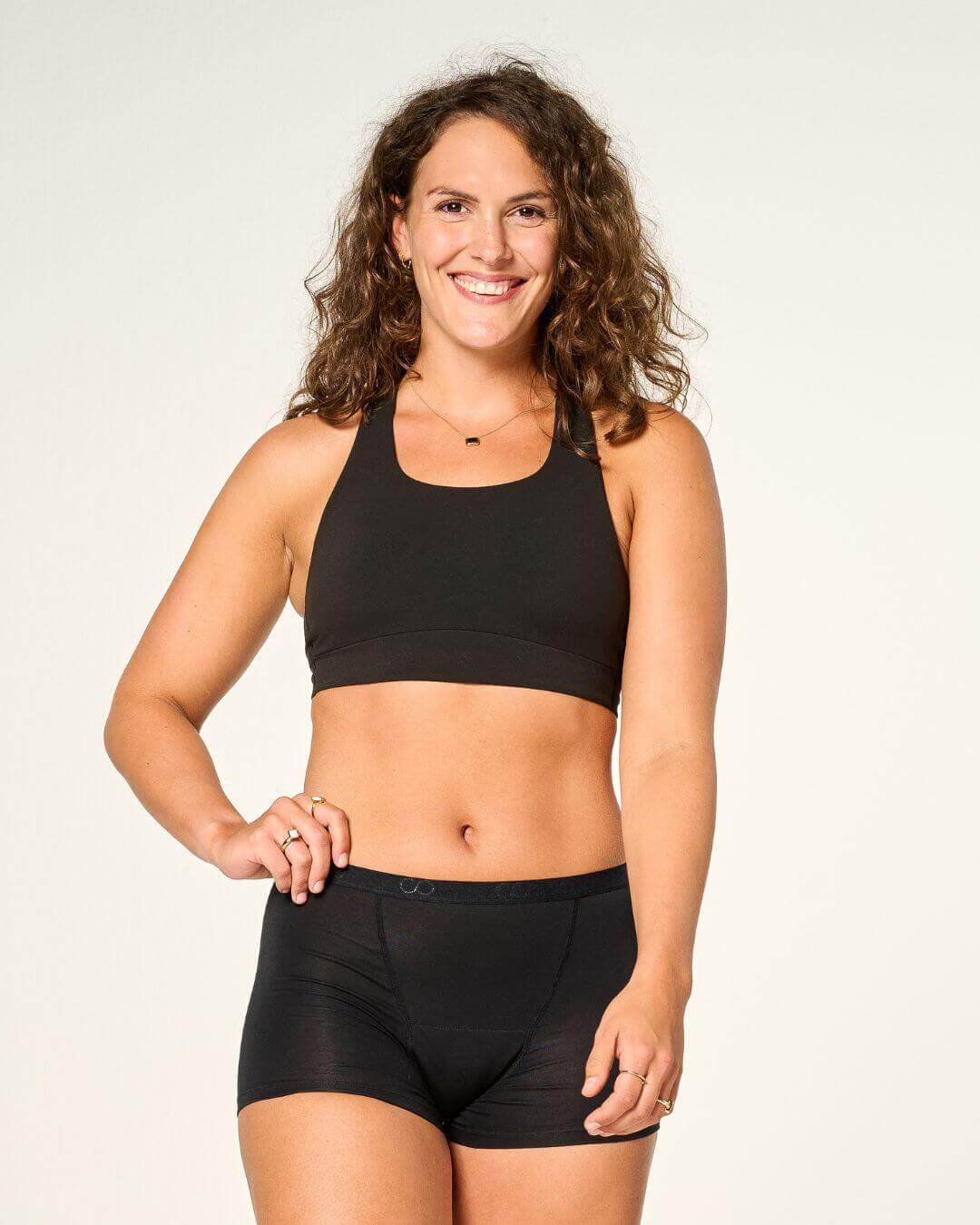
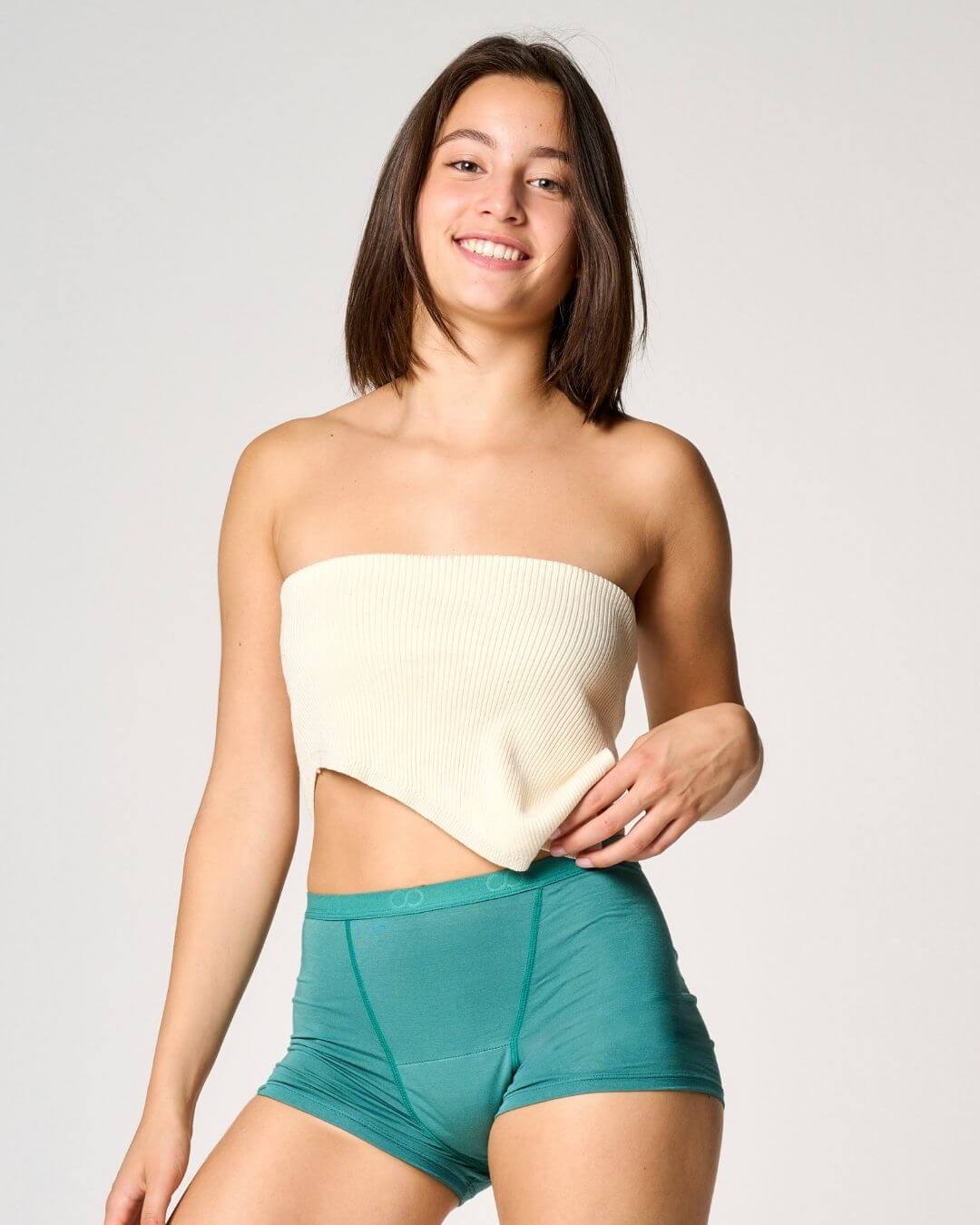
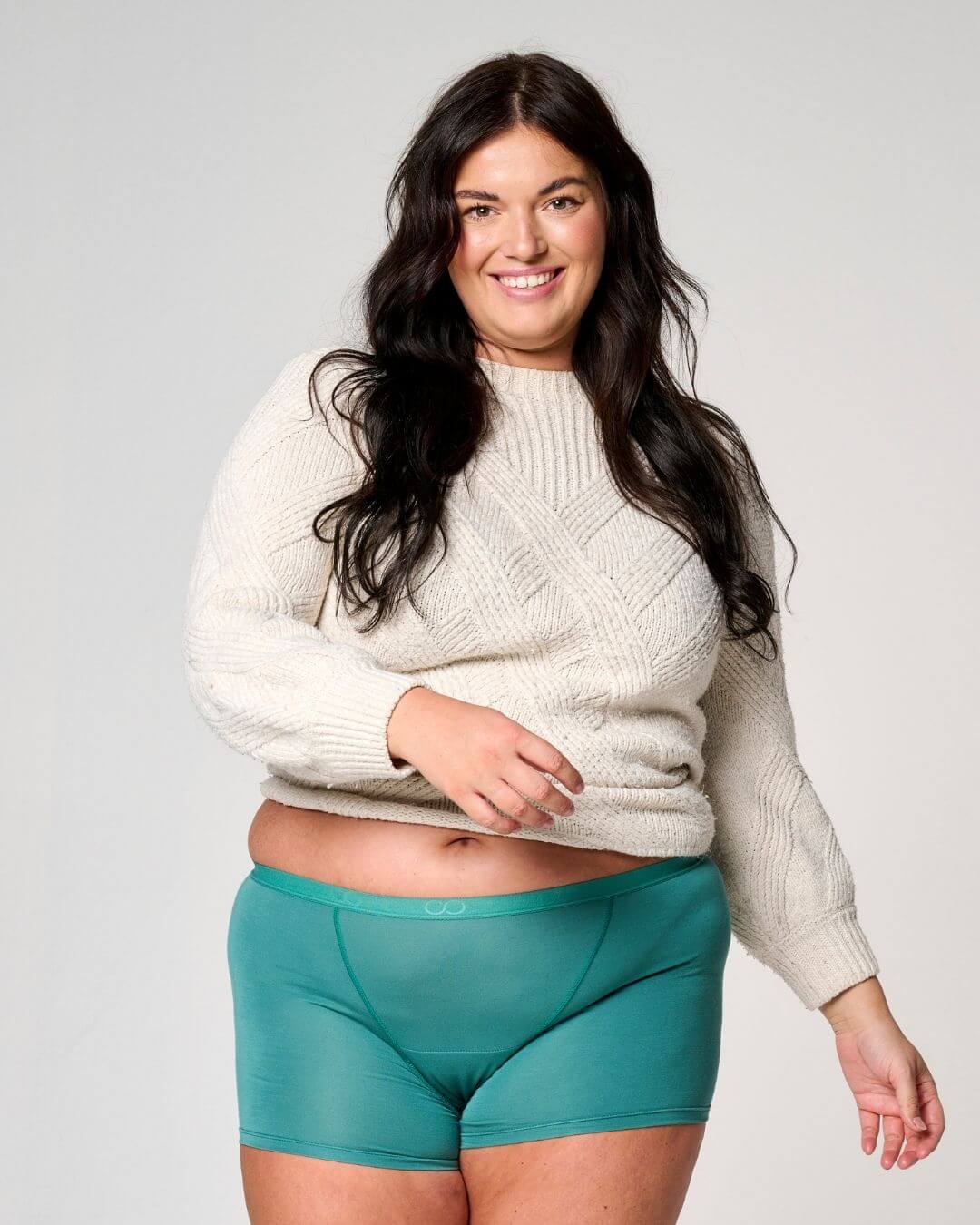
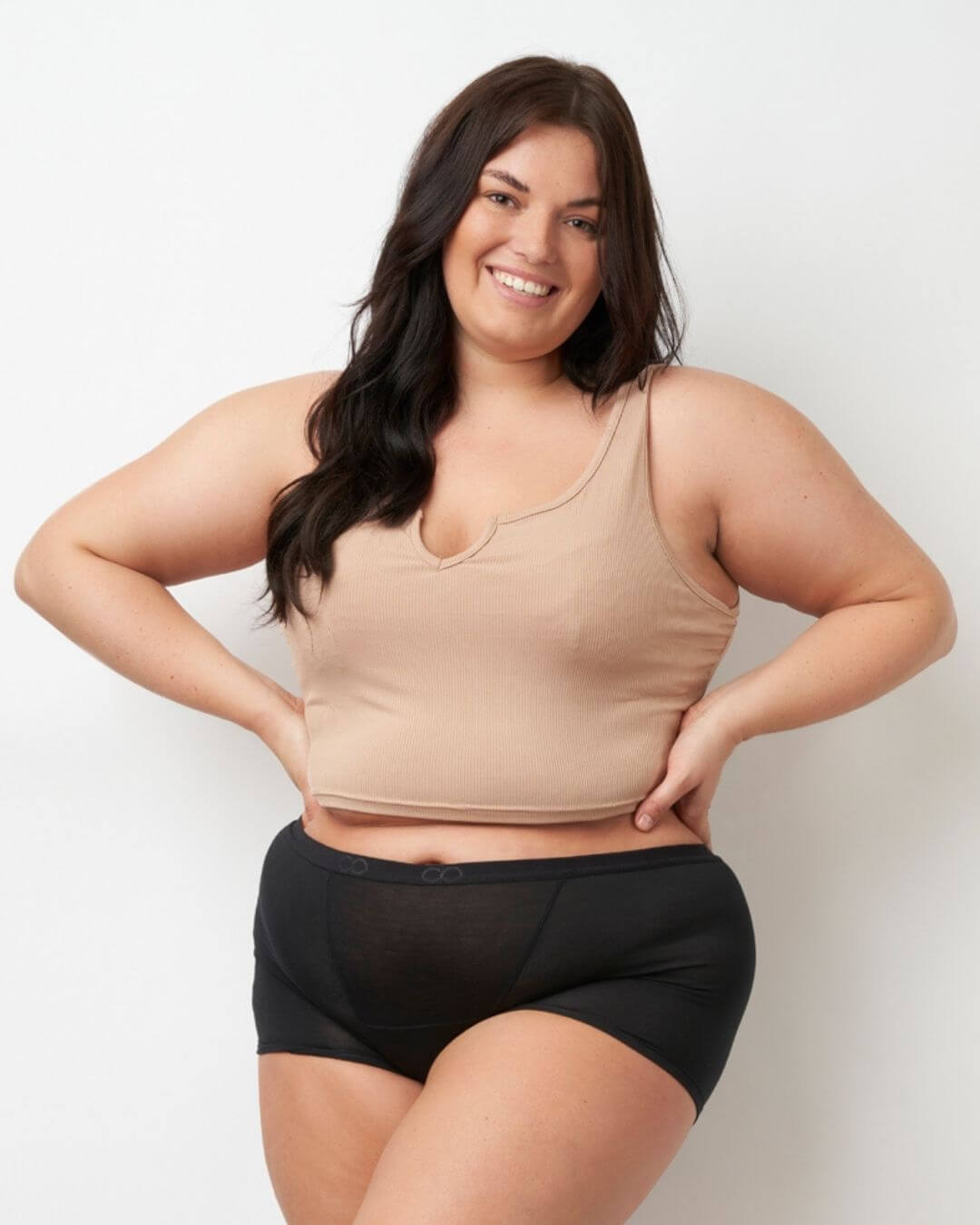
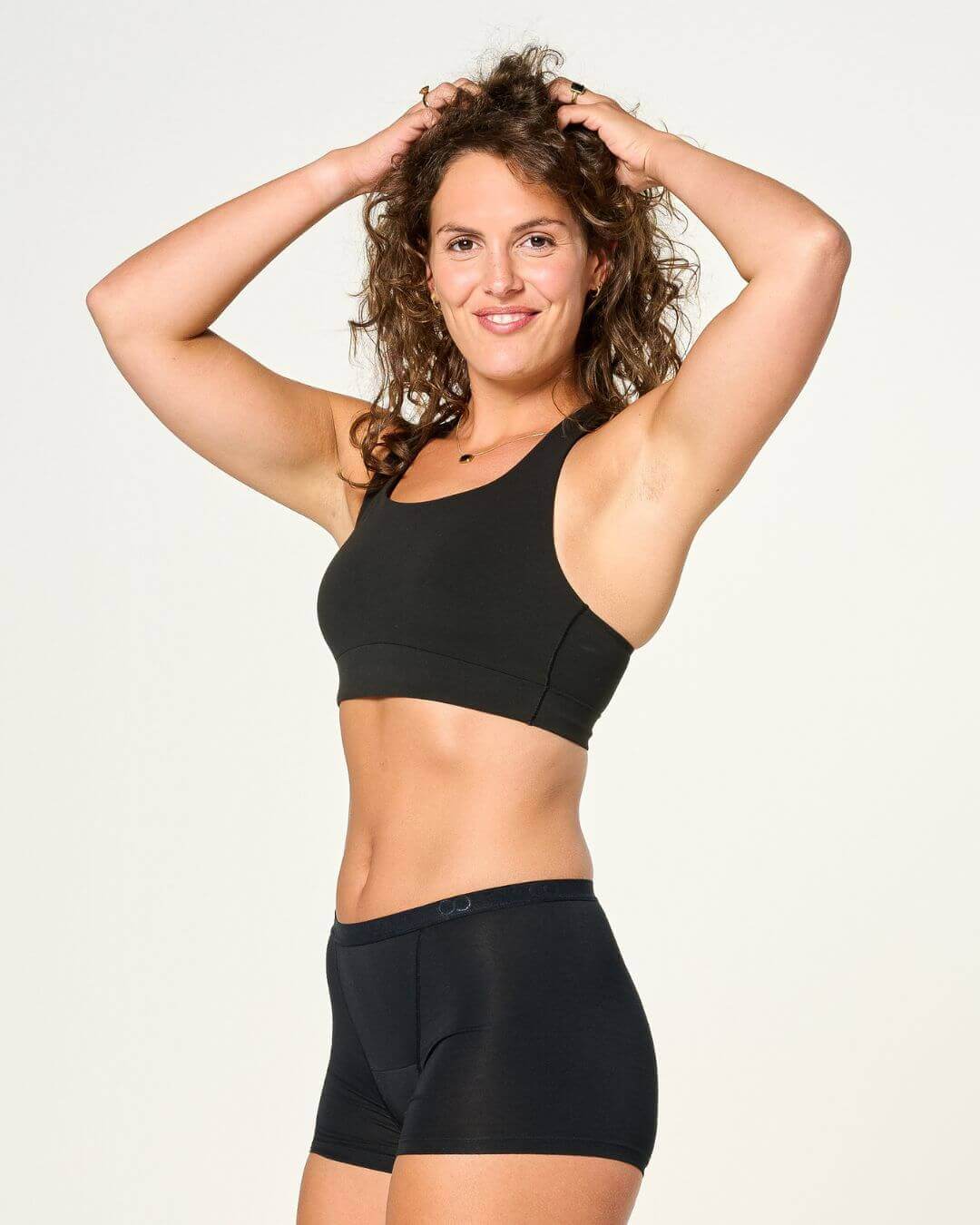
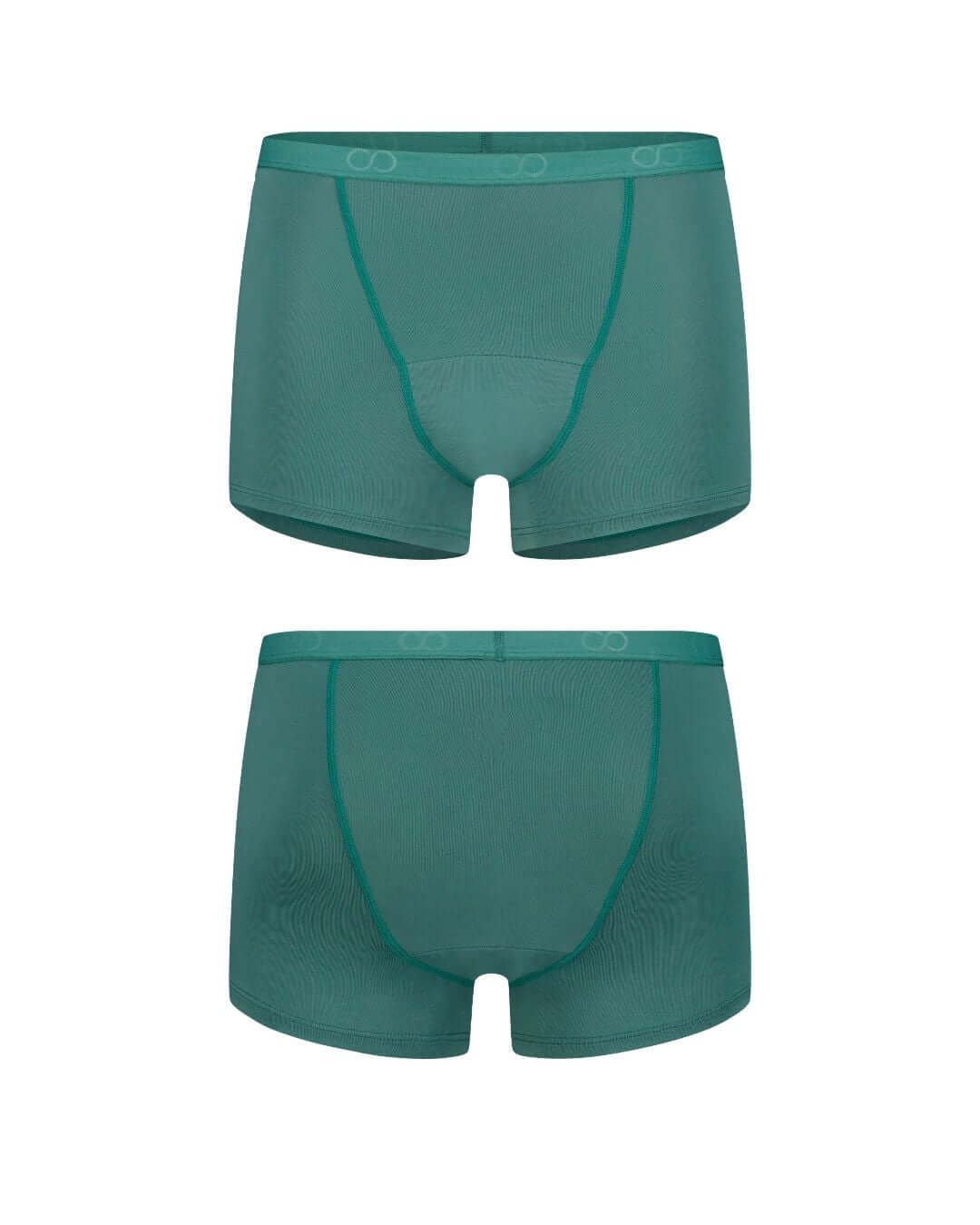
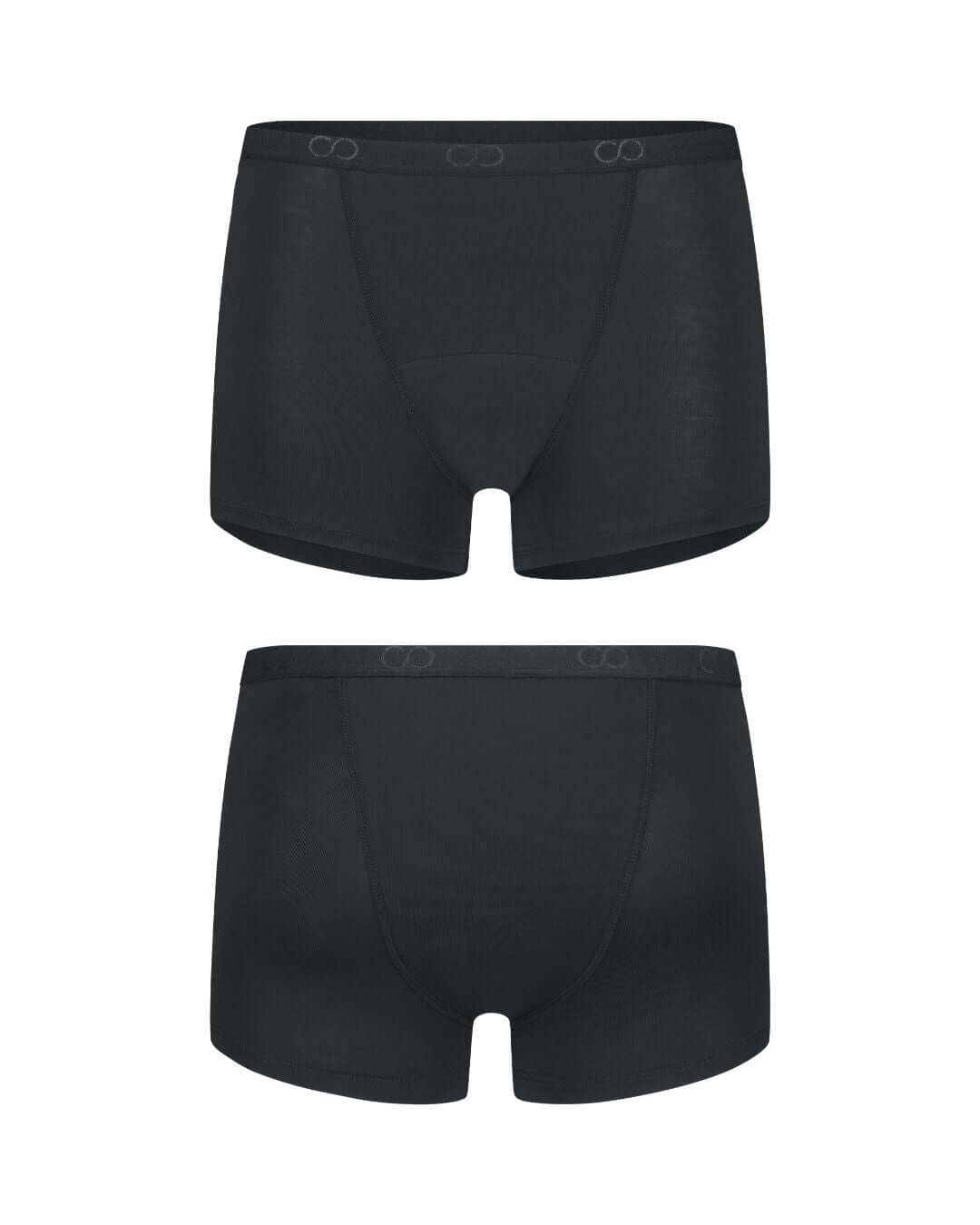
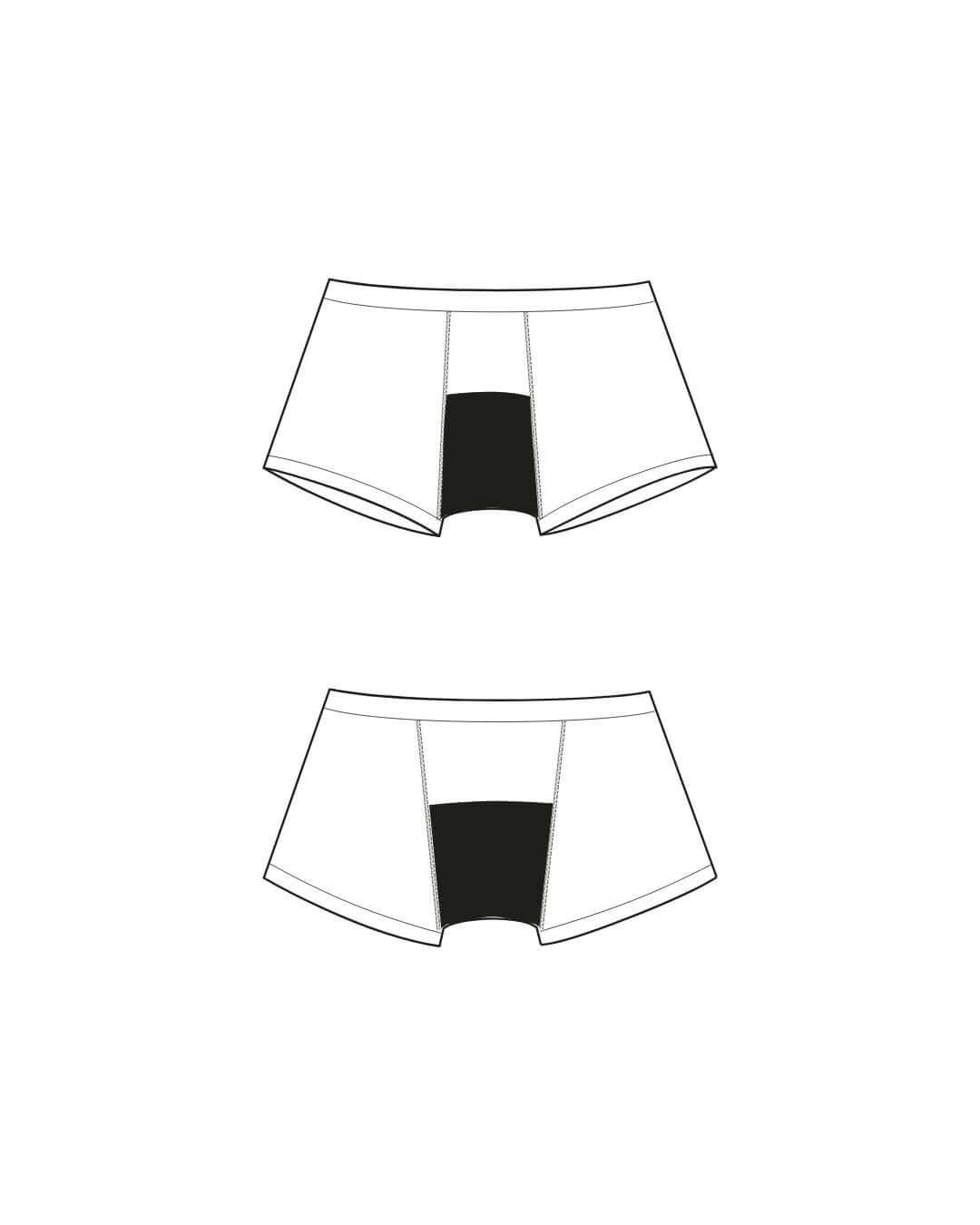
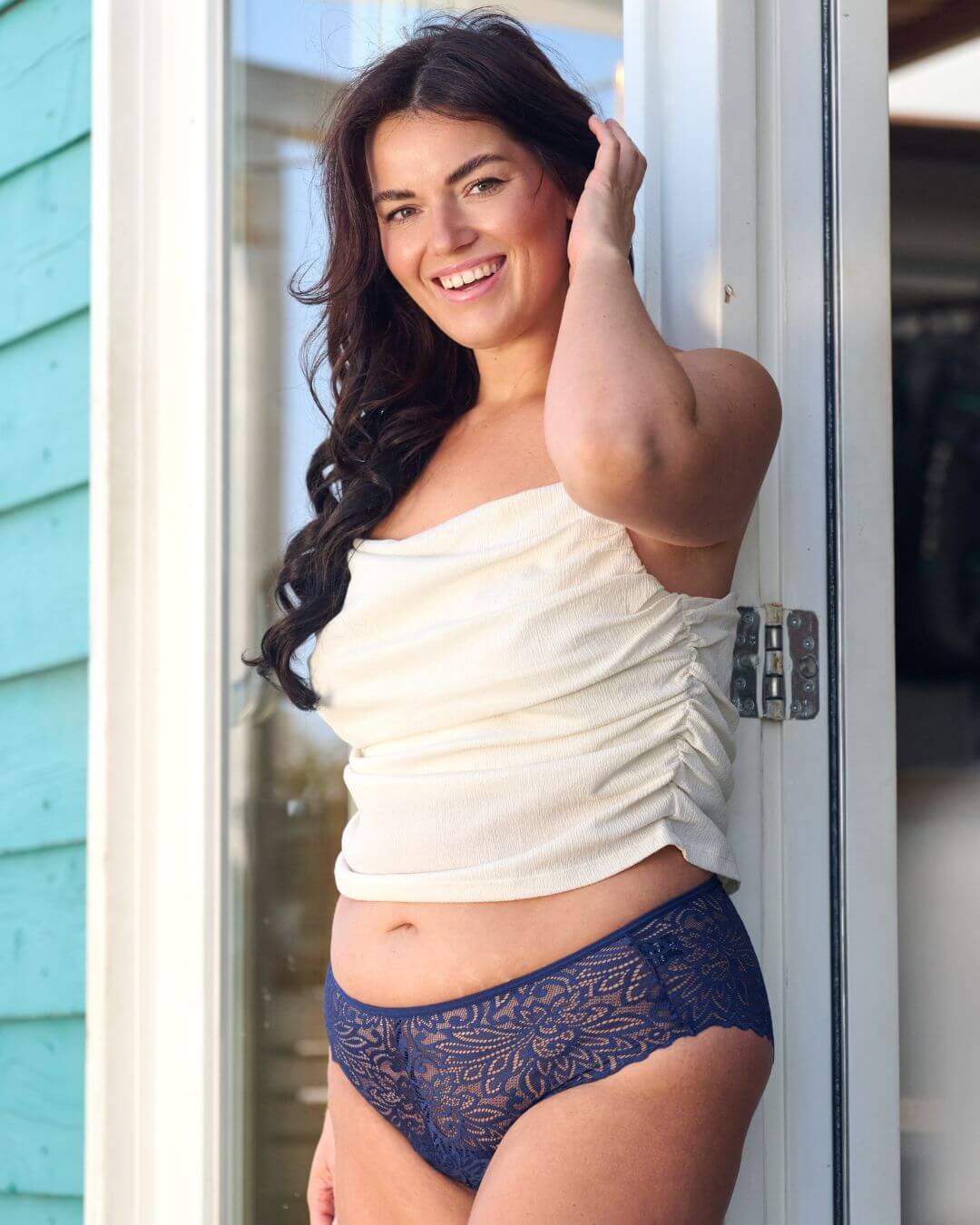
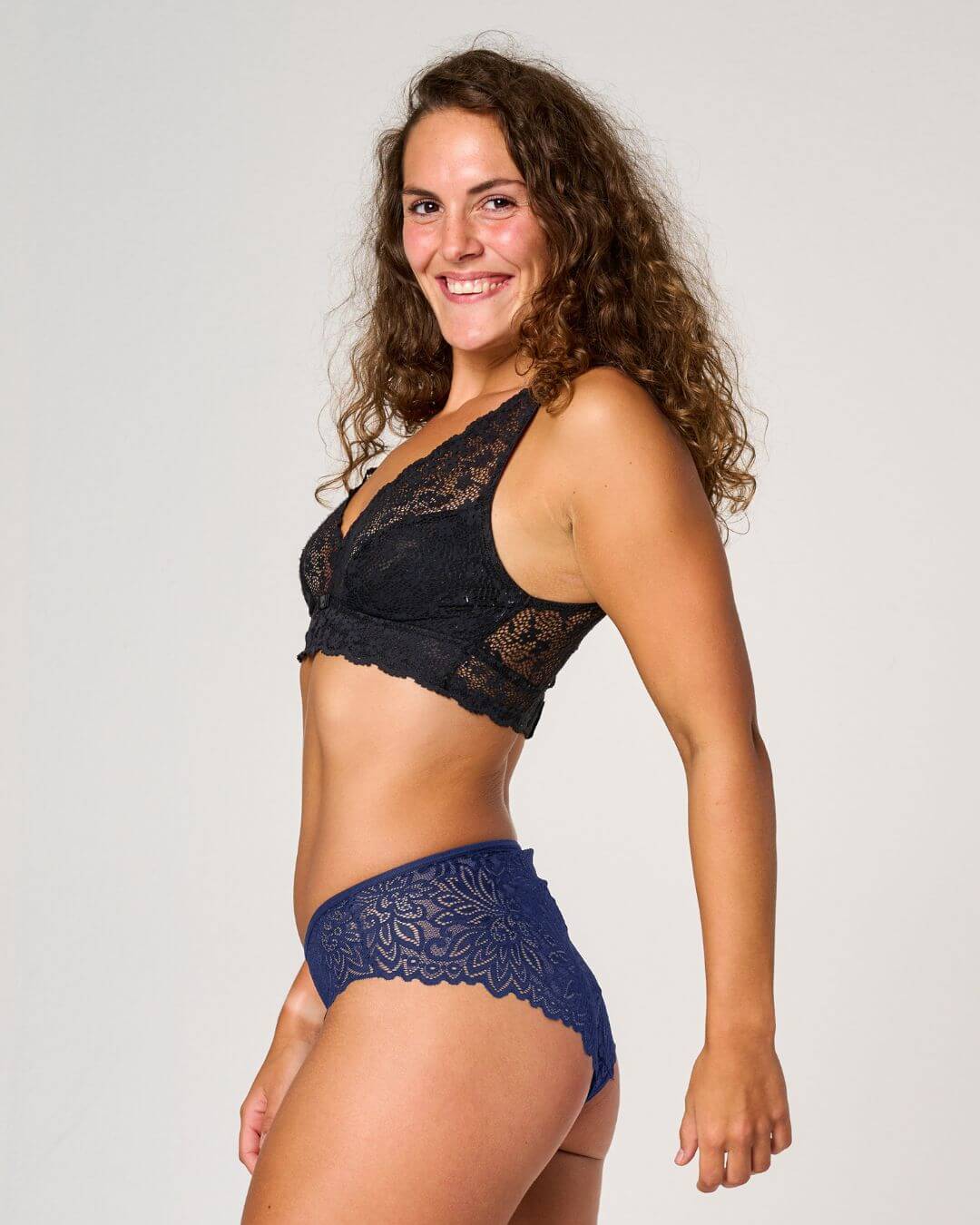
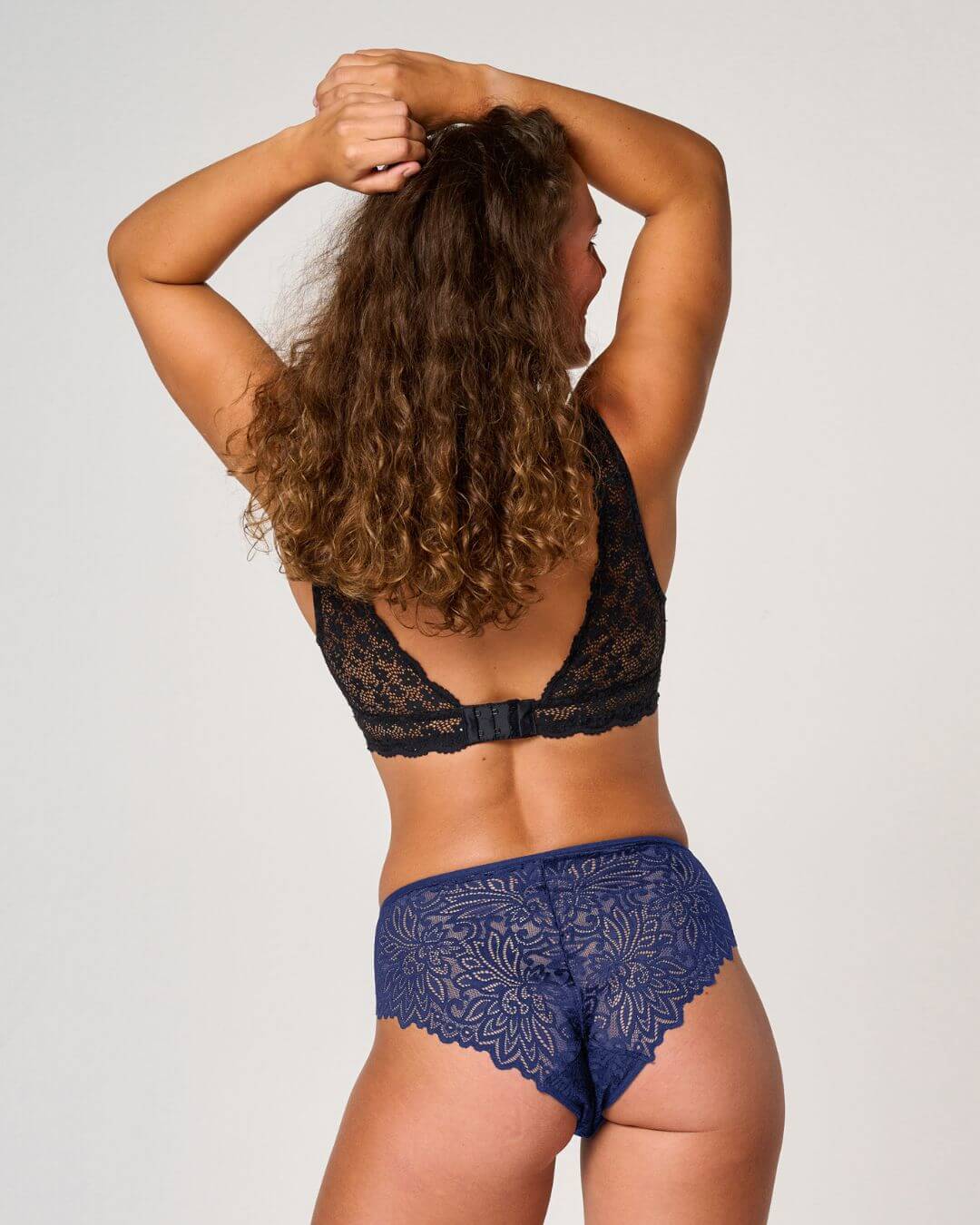
Many young girls find sanitary pads with wings uncomfortable. They chafe, shift, or irritate, which is perfectly understandable. Menstrual underwear is an accessible solution for many girls because it is not an insertable product, has no wings, and does not shift.
I regularly hear from mothers that, thanks to menstrual underwear, their daughters dare to dance again, no longer spend half the day on the toilet adjusting them properly, and that young girls feel more confident. Convenience really makes a difference.
Menstruation on vacation and in the swimming pool
Having a menstruating daughter also means being well prepared for her. Many young girls do not want to use tampons, especially not at a young age.
With menstrual swimwear, such as special bikinis and swimsuits, they can swim without a tampon. This provides peace of mind, freedom, and self-confidence. After all, the last thing you want is for your vacation to be an unpleasant experience surrounding your period and turn into a stressful time.
When should you see a doctor about your period?
- Preferably if there is no menstruation at age 15
- Bleeding longer than 7 days
- Leaking every hour
- Severe pain that interferes with daily functioning
- Still extreme irregularity after 2-3 years
- Signs of bleeding disorders
In doubt? Always consult the GP. You can always call the assistant to discuss it; this can clarify a lot.
Last but not least
The first period sometimes feels like the end of carefree living. But it is also a beginning. How you handle this as a parent largely determines how she will experience her cycle.
As something to be ashamed of or as something that is part of her body. My invitation to you: stay curious, keep asking questions, and above all, keep taking her seriously.