Menstruation and exercise: for many women, it still feels like an awkward combination. You're tired, crampy, easily irritated, or afraid of leaking during a sprint, training session, or competition. Yet, it's good to know that even the world's best athletes face the exact same challenges month after month. And they're talking about it more and more openly.
But how do they do it? How do female athletes performing at the highest levels cope with something that recurs every month? And perhaps even more importantly: what can you learn from this, whether you work out once a week or are taking your first steps toward a healthier routine?
In this blog, we delve into the lives of female top athletes, explore how they use their cycle instead of fighting it, and provide practical tips that everyone can use right away.
Why do top athletes increasingly talk about their cycle?
For a long time, menstruation was considered something to be avoided in sports. Inconvenient, private, or even worse, a sign of weakness. Fortunately, a clear shift is underway. More and more female athletes are openly sharing that their cycle plays a role in how they train, perform, and recover.
- Olympic champion Dina Asher-Smith called for more research into performance and menstruation.
- Running legend Paula Radcliffe never disguised her period during her world record marathon.
- Dutch athletes such as Lieke Martens, Sifan Hassan and Ranomi Kromowidjojo also emphasise that their cycle is part of training days and competition days.

This openness creates space for a new, healthier way of thinking: menstruation isn't a limitation. It's part of being a woman, even in sports.
How top athletes manage their periods
Although every athlete is different and every cycle is unique, there are clear patterns in how top athletes manage their periods.
1. They know their cycle inside and out
Many top athletes use apps, sports physicians, or trackers to know exactly which phase of their cycle they are in. This provides insight into:
- When they feel energetic
- When strength training works best
- When they need more rest
- When cramps or dips may occur
Knowing what to expect will prevent your body from surprising you at an important moment.
2. They adapt training and recovery
Your cycle determines more than just blood loss. Hormones influence strength, flexibility, reaction time, and recovery.
Many athletes:
- Train more intensively in the first phase of their cycle (follicular phase)
- Postpone heavy workouts if they are experiencing a lot of pain
- Build in extra recovery moments just before their period
This doesn't mean you have to perform better or worse, it means you train smarter, with your body instead of against it.
3. They talk about it within the team
The fact that top athletes are more open these days also means that coaches and medical staff can provide better support. Whether it's pain, cramps, or mental health issues, there's room to talk.
For everyday athletes, this works just as well: talk to your coach, teammates, or workout buddy. If a coach doesn't know you're struggling, they can't help you.
4. They choose security and comfort
Whether it concerns training, yoga, strength or team sports: certainty gives peace of mind.
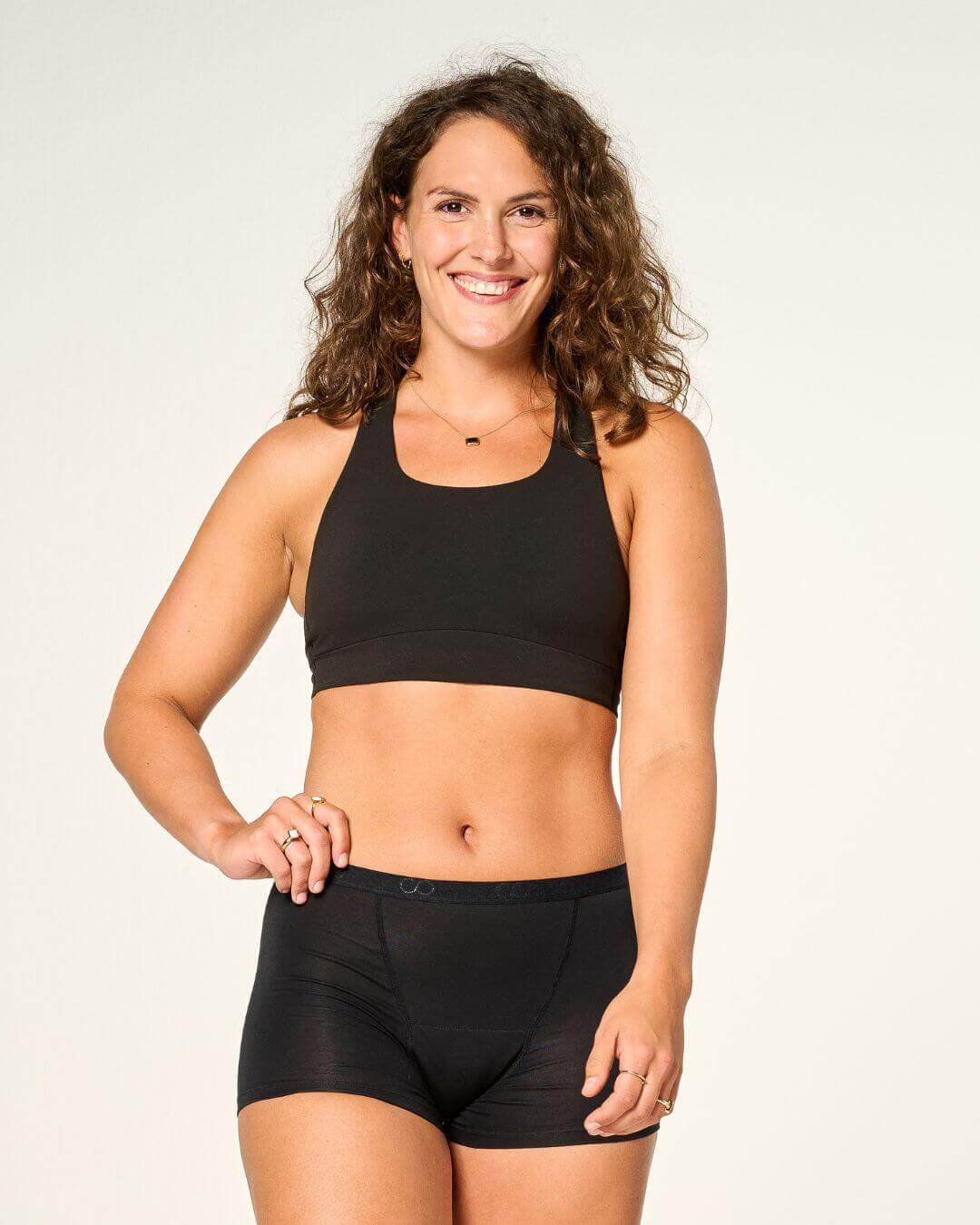
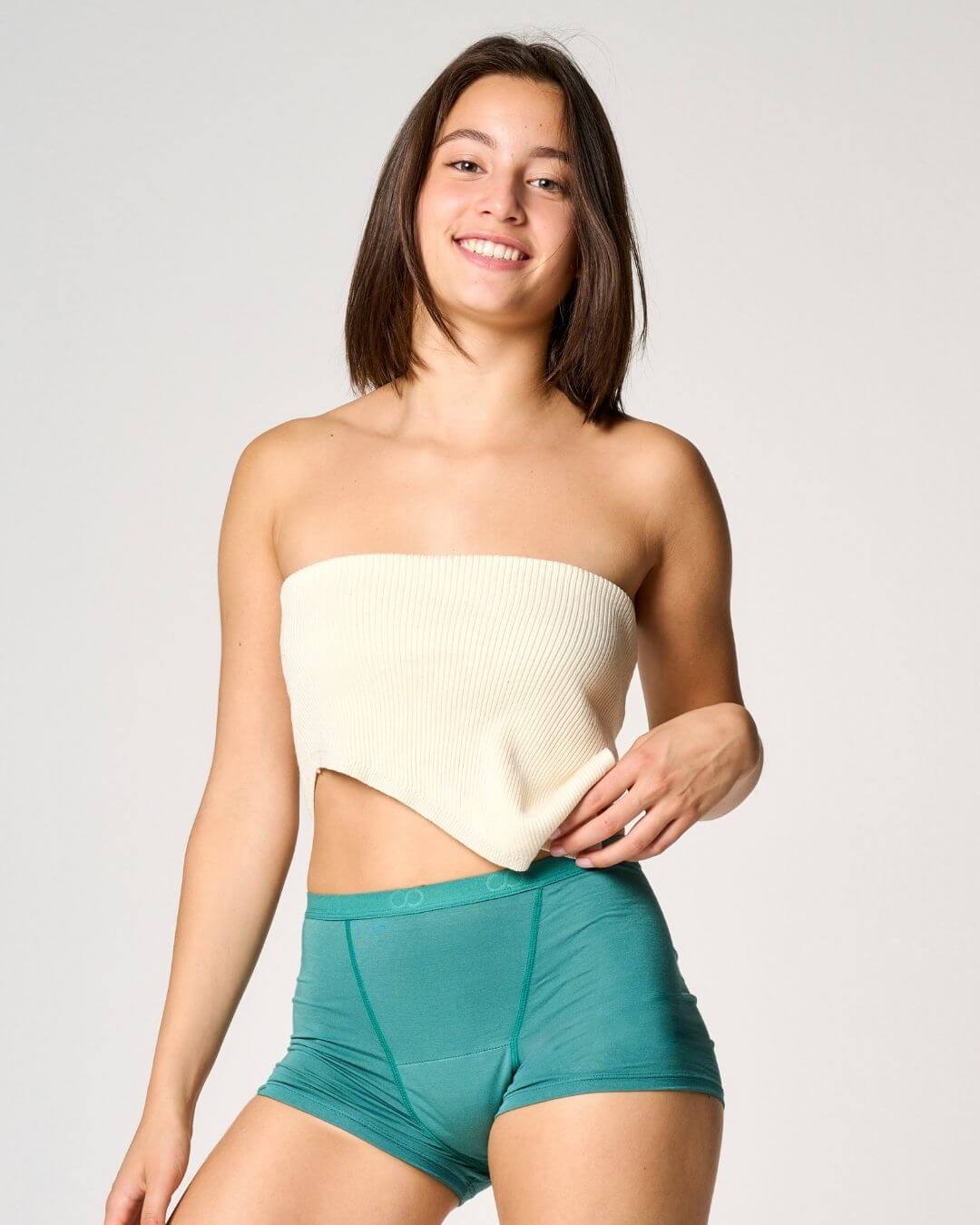
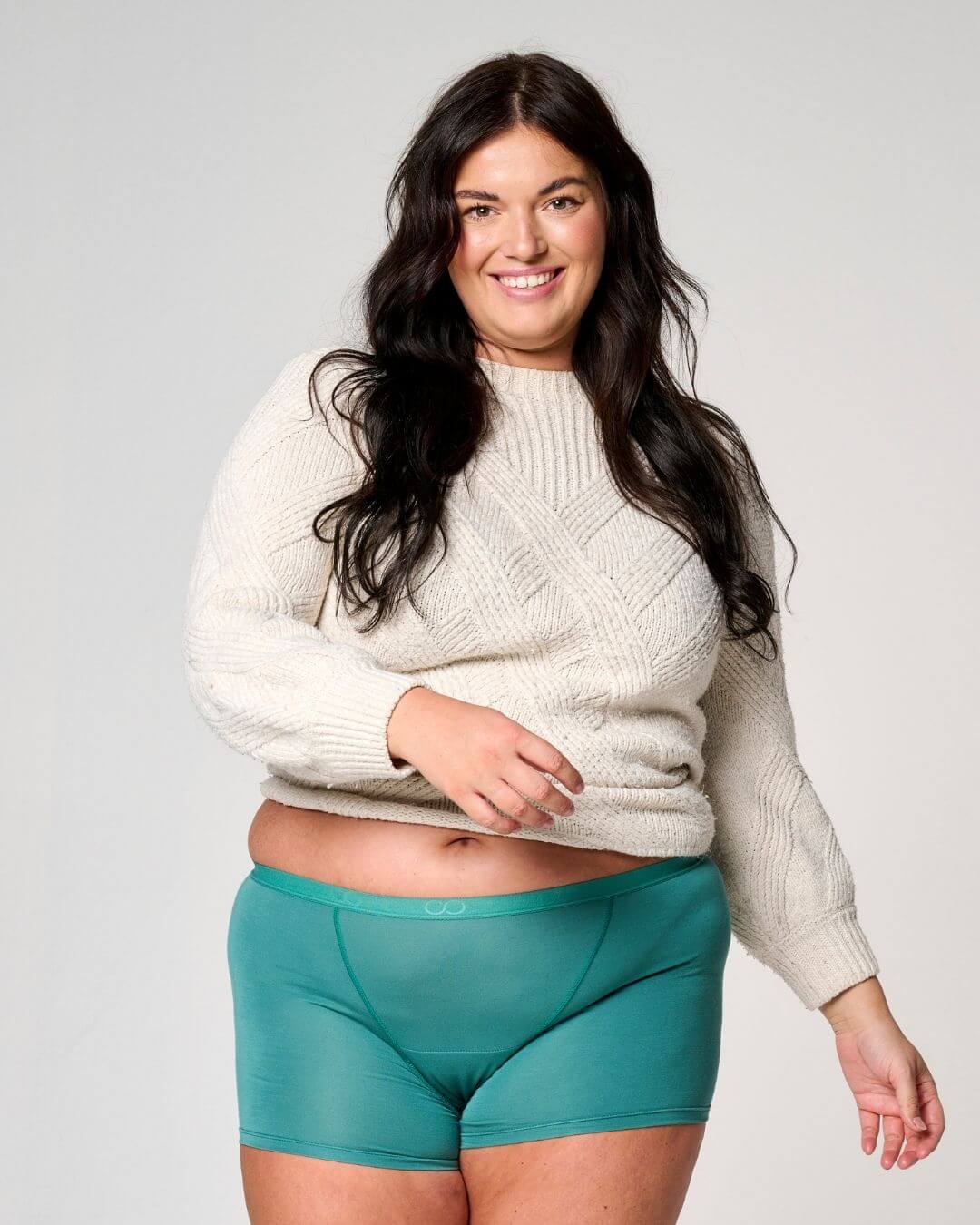
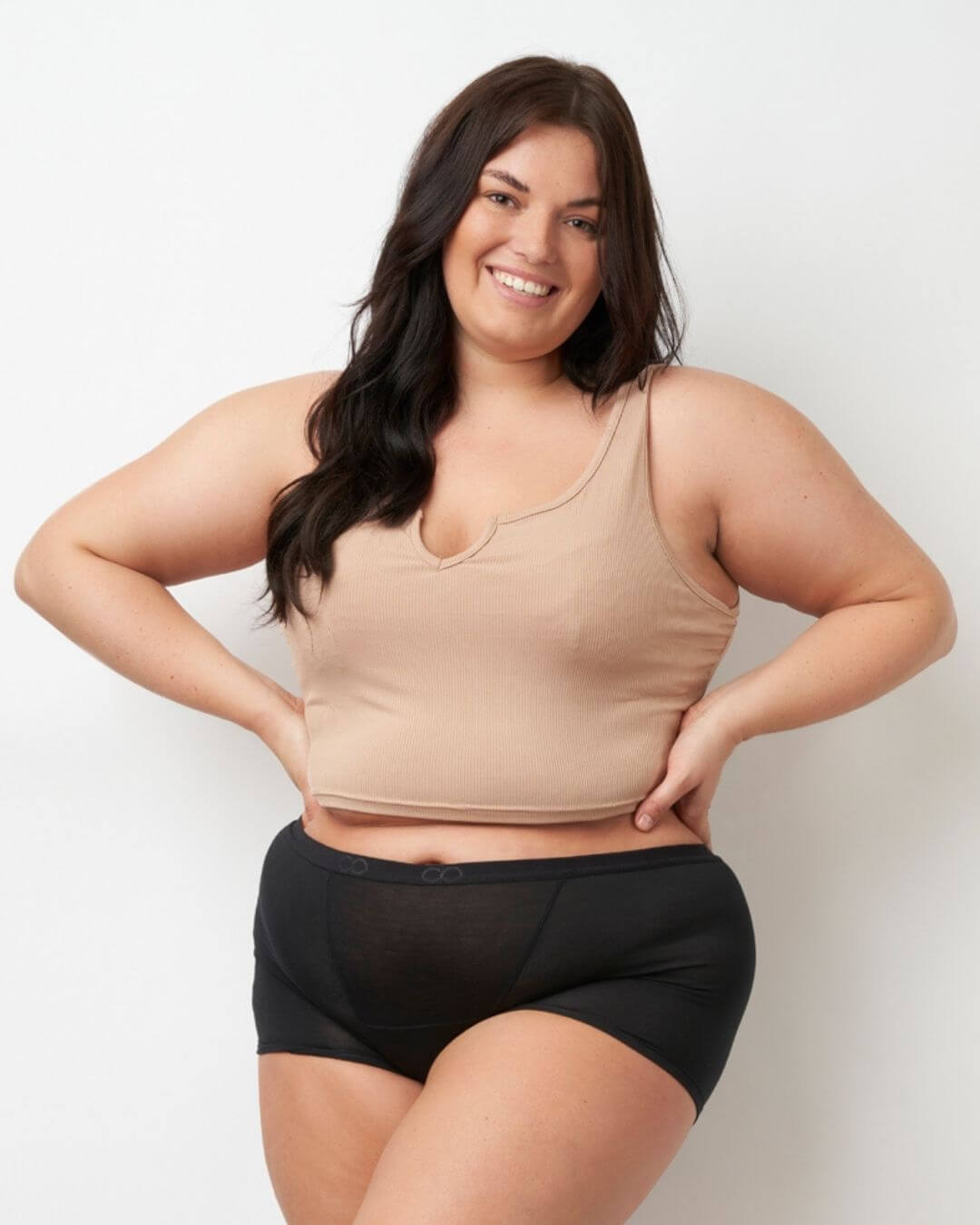
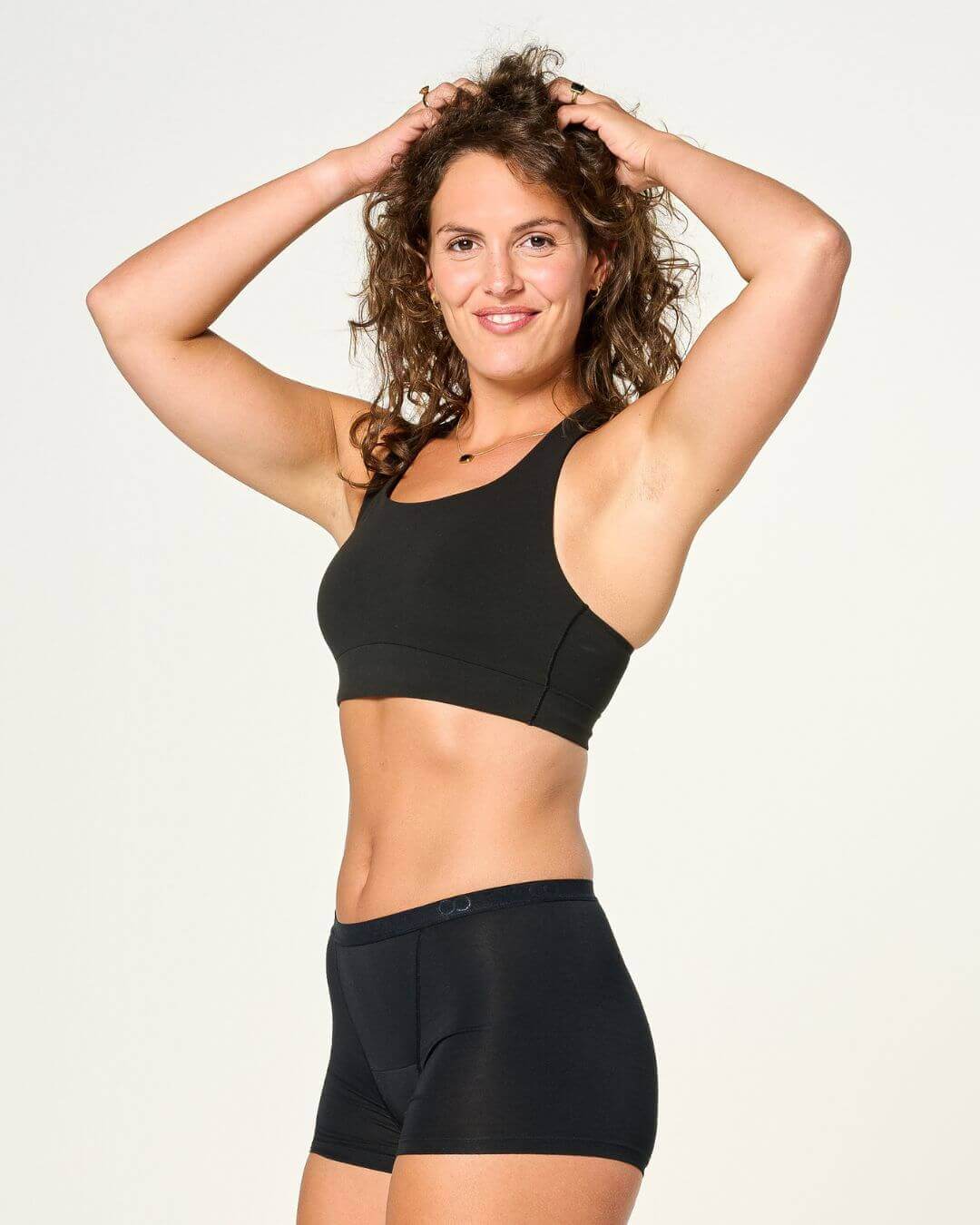
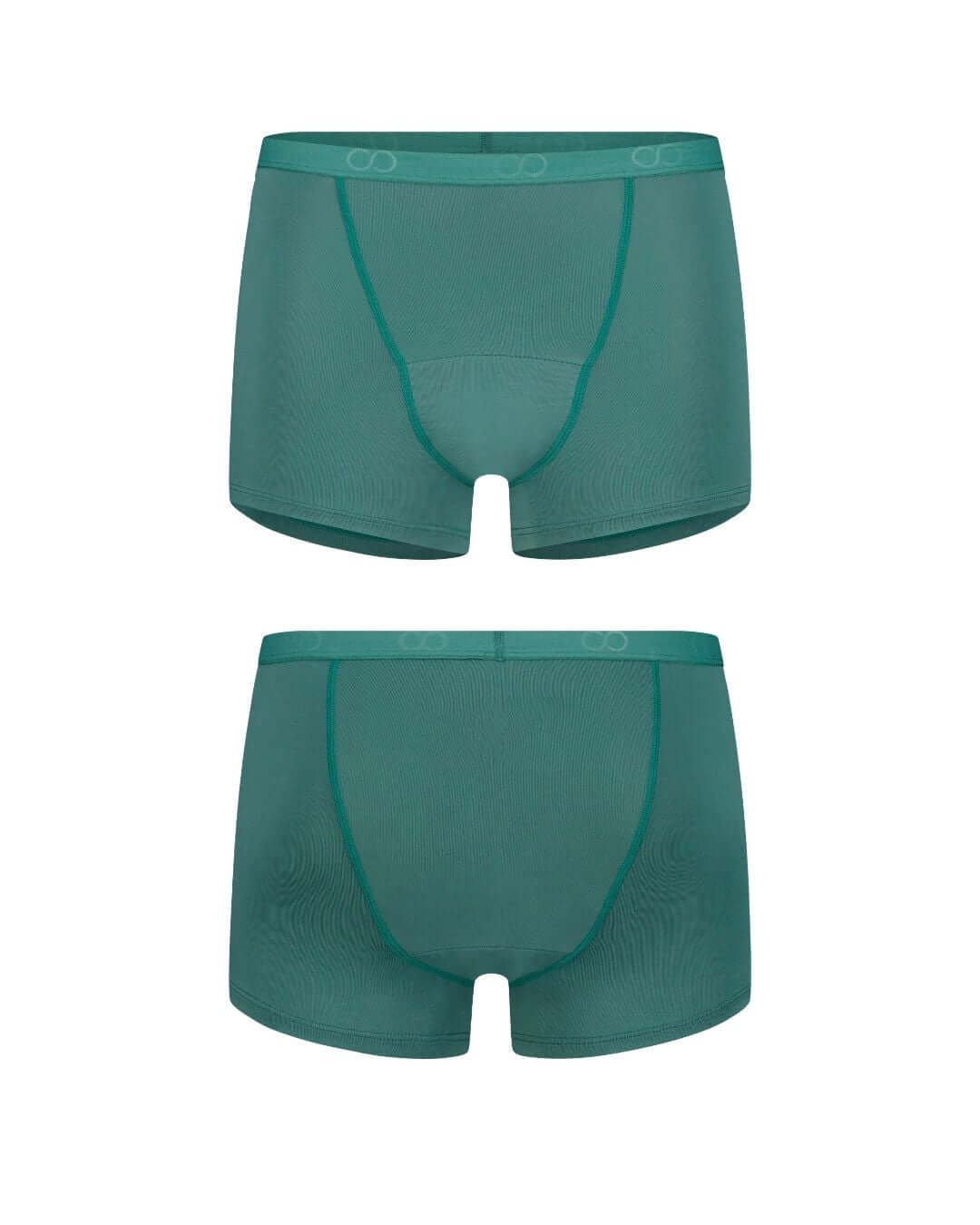
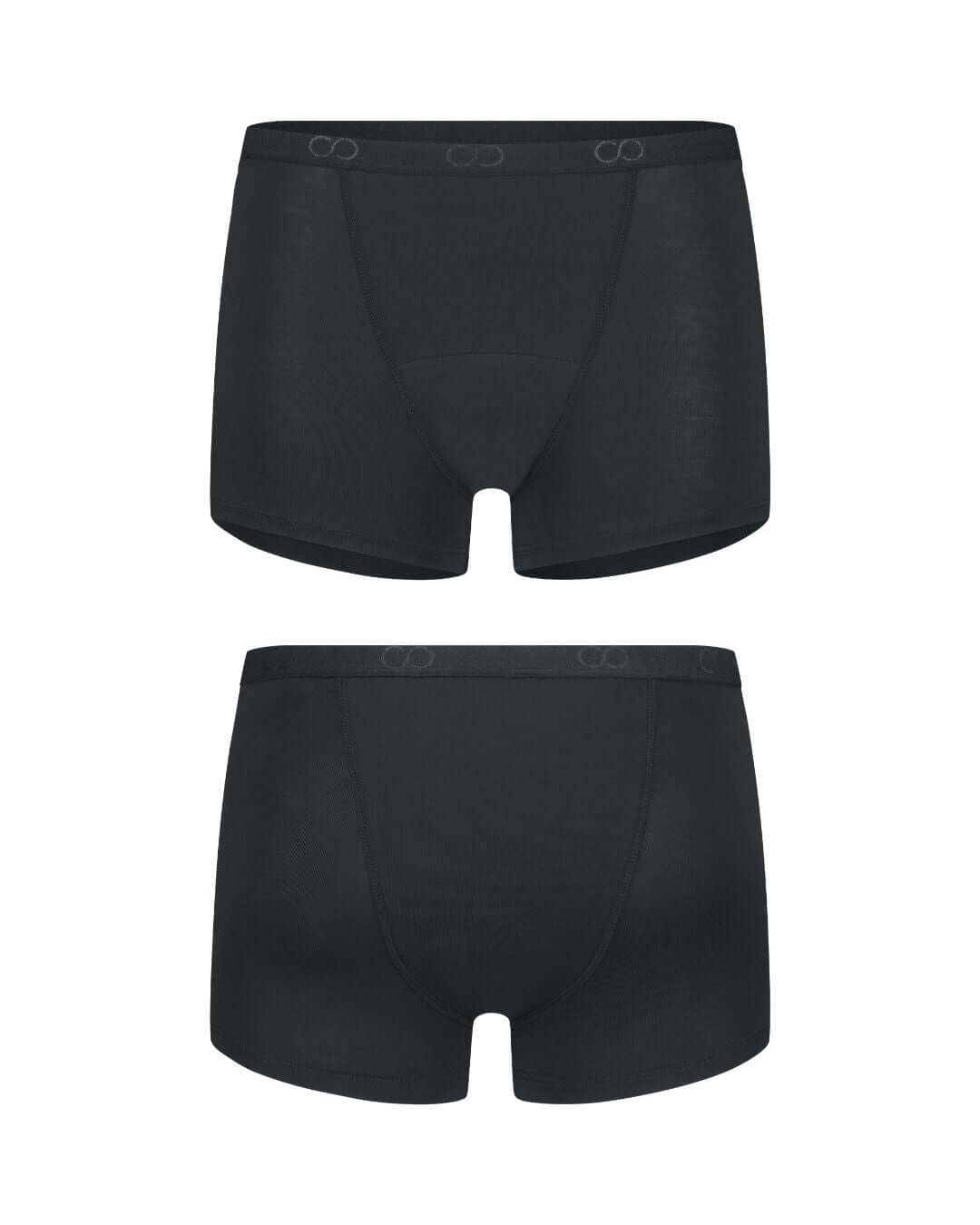
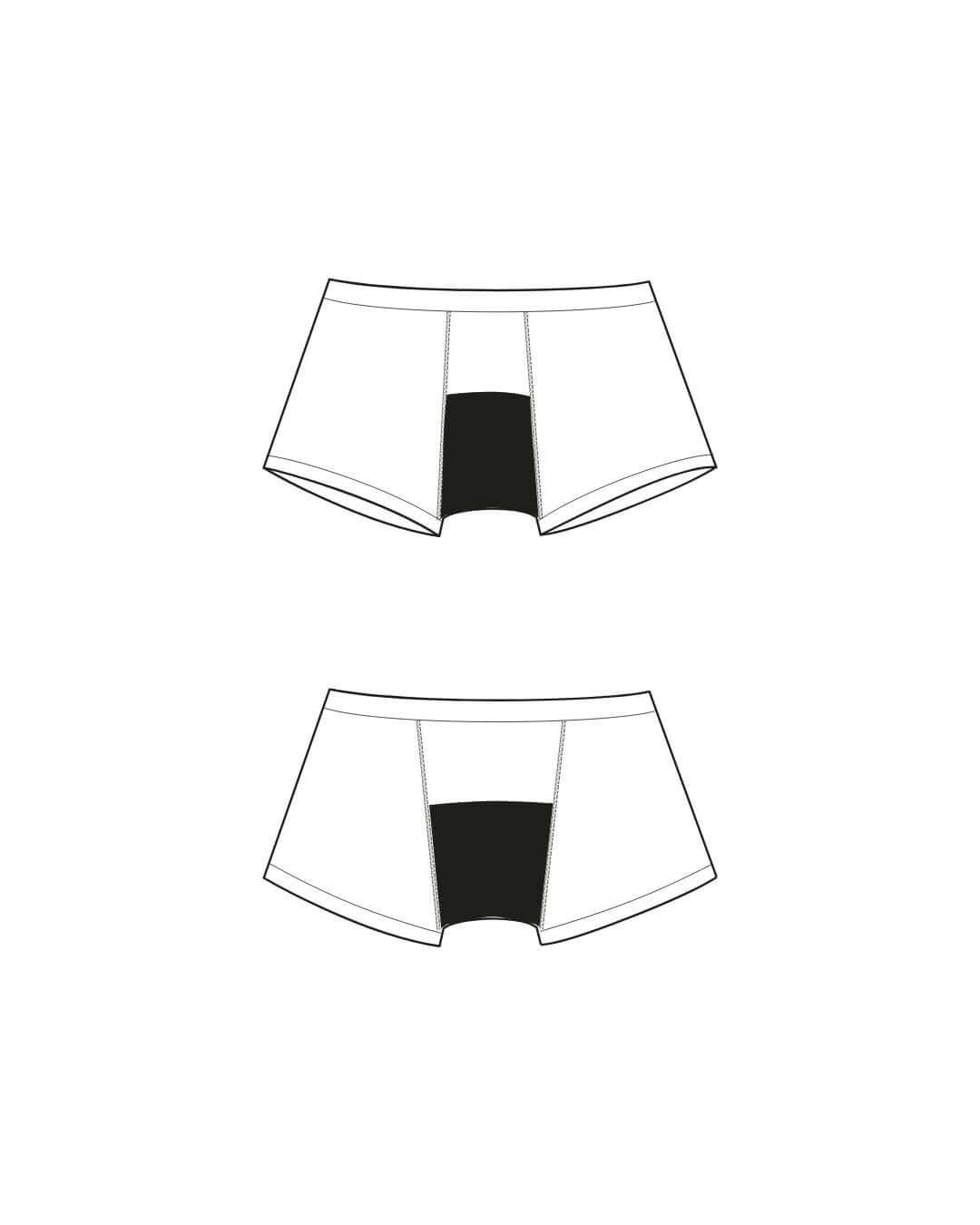
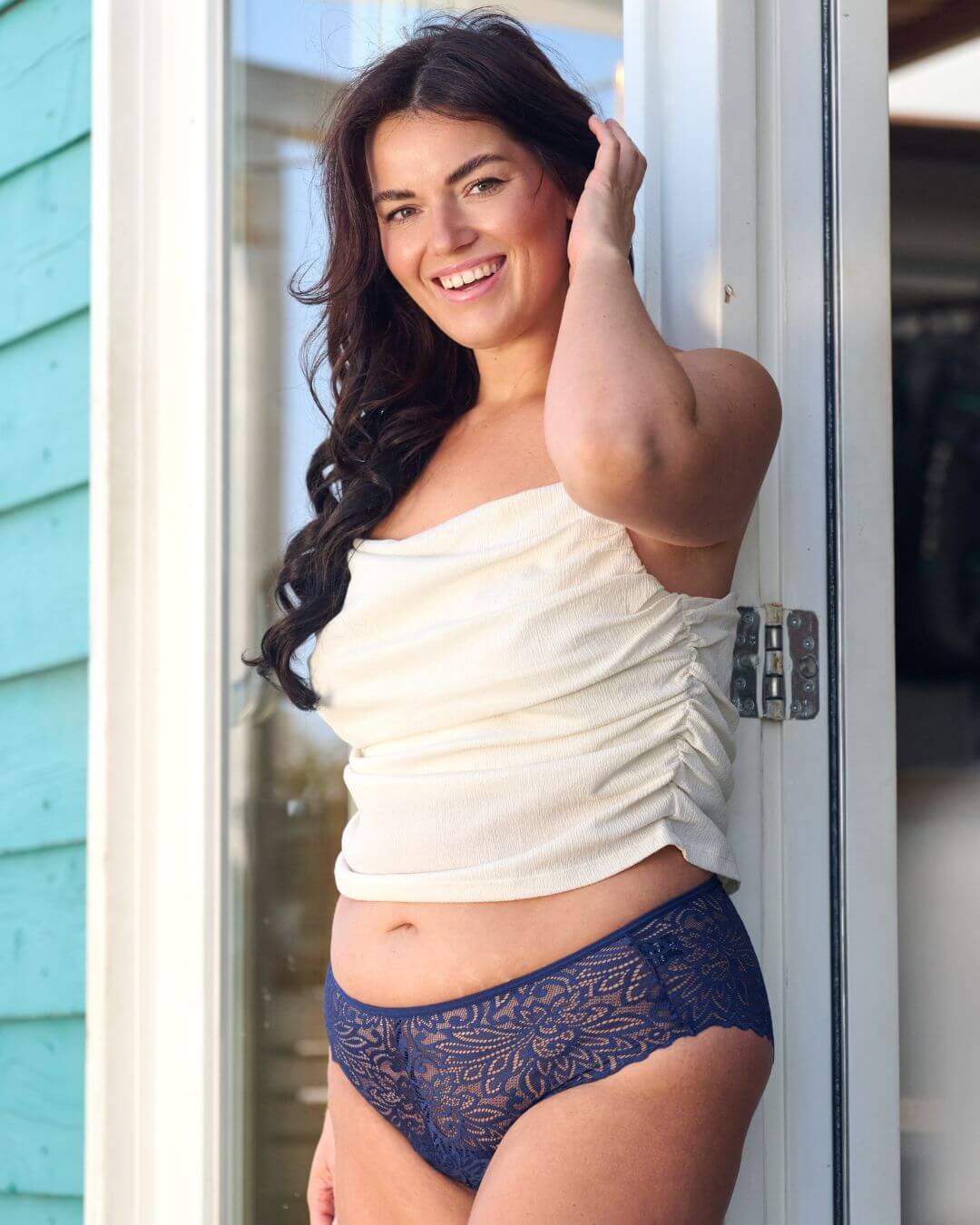
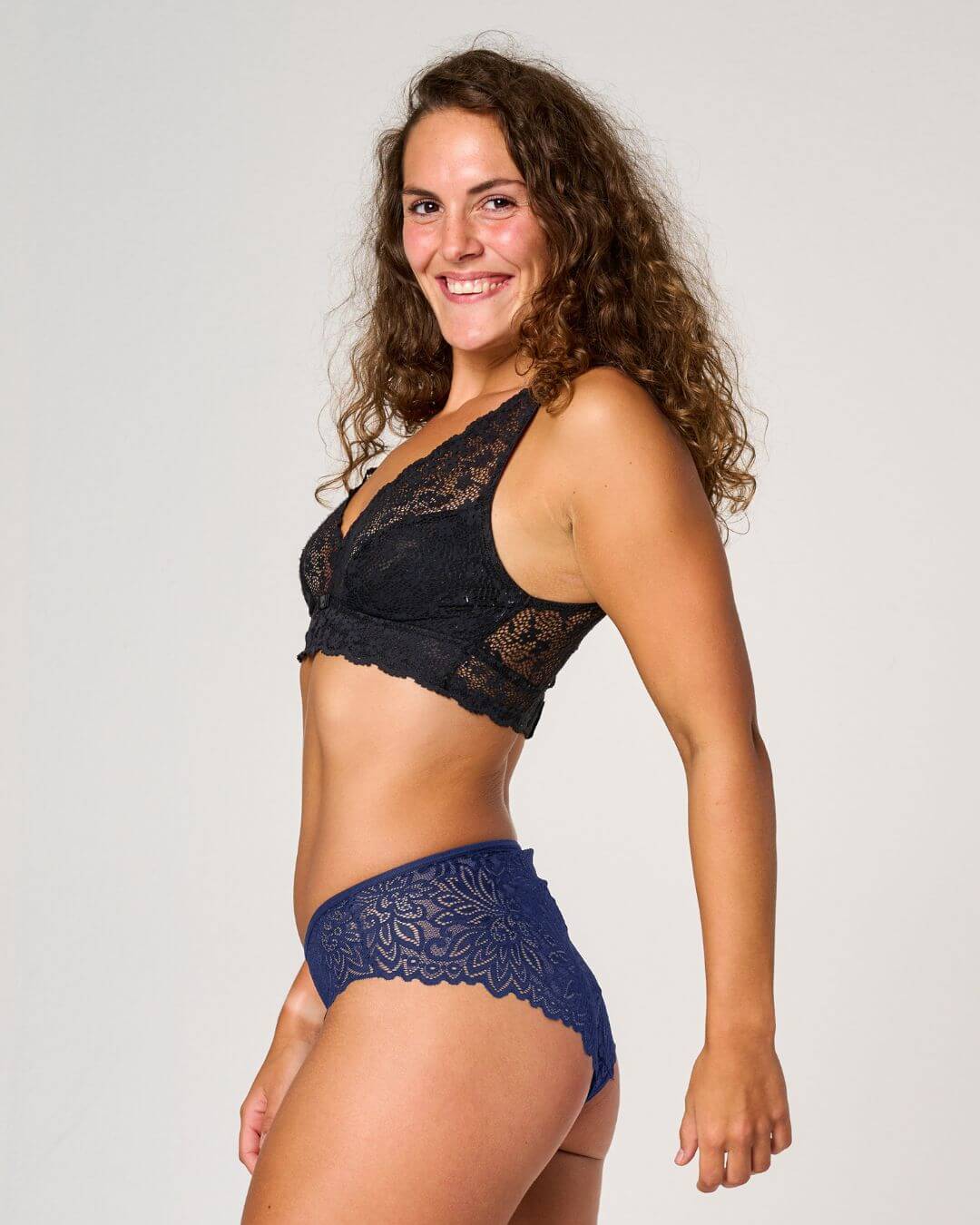
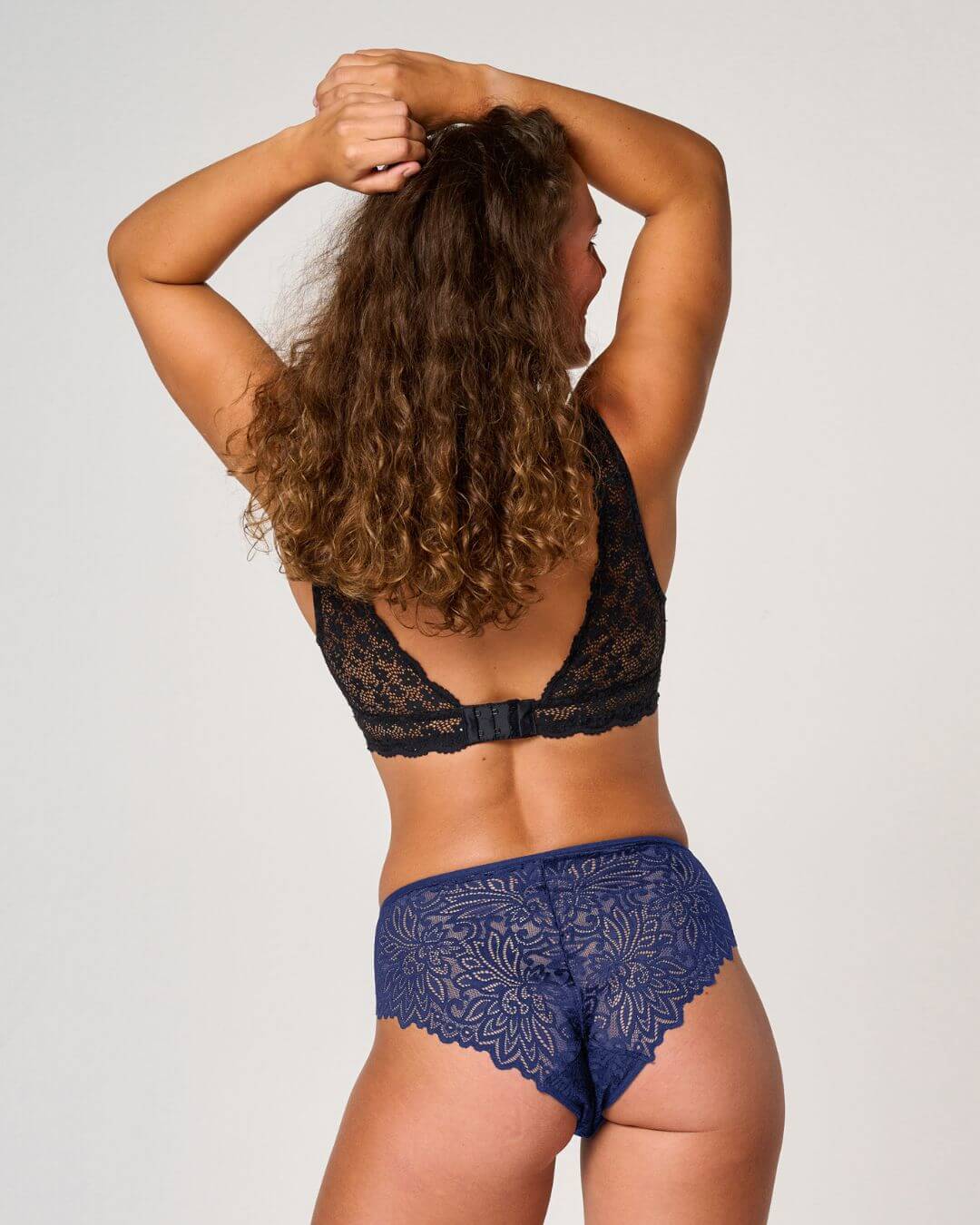
Many athletes choose menstrual underwear, extra protection or clothing that allows them to feel free to move without stress.
At Moodies, we hear this often from users: no chafing liners, no visible lines, no worries about leaks—just comfort and focus on your workout.
What you can learn from top athletes
Whether you're a beginner, a dedicated gym-goer, or just an occasional jog, these insights work for every woman.
1. Listen to what your body is telling you
Feeling energetic? Then go for strength training or running.
Are you experiencing cramps or feeling tired? Then yoga, walking, Pilates, or technique training are perfect alternatives.
Nothing is necessary, everything is allowed, your pace is leading.

2. Plan smart (but flexible)
You don't have to plan your whole life around your cycle, but taking your heaviest days into account can really increase your enjoyment of exercise.
If you know your first or second day is often challenging, you might not plan a maximum sprint workout. Give yourself some space.
3. Eat consciously for more energy during your period
- Iron from spinach, legumes, and whole grains helps your body produce red blood cells. These carry oxygen, making you feel more energetic. This is especially important during menstruation, as you lose extra iron during that time.
- Magnesium from nuts and oats supports your muscles, nervous system, and energy levels. It helps with relaxation and reduces fatigue, making you feel more energetic throughout the day.
- Drinking enough water, even if you're not thirsty, prevents you from unknowingly dehydrating. Good hydration helps prevent headaches, fatigue, and difficulty concentrating, and keeps your energy levels stable.
You will quickly notice a small difference in your diet in your energy.
4. Good protection gives peace of mind
Period underwear is ideal for sports activities; it's breathable, durable, stretchy, and designed for movement. Especially during team sports, fitness, or dance, you'll notice you move more freely without unpleasant edges, odors, or shifting material.
5. Talk about it, normalize it
The greatest strength of top athletes? They make the topic a topic of conversation.
The more we talk, the less taboo there is and the more women understand that they are not "the only ones." Menstruation and performance can go hand in hand perfectly.
The stories of top athletes demonstrate something important: you can be strong, fast, and focused even during your period. Not because you have to ignore the pain, but because you learn to tune into your body. Exercising during your period isn't weak, difficult, or embarrassing; it's normal. And sometimes even liberating.
At Moodies, we believe everyone should be able to move freely, no matter the day of the month. That's why we design underwear that helps women feel confident on the field, in the gym, or on the yoga mat.