Your period reveals a lot about your body's balance. Sometimes, that cycle suddenly stops altogether. This is called amenorrhea, a medical term that literally means "the absence of the monthly flow."
There are two forms. With primary amenorrhea, a person has never had a period, for example, due to a hormonal or physical cause. With secondary amenorrhea, a person has had a period before, but it suddenly stops for more than three months, even though there is no pregnancy, breastfeeding, or menopause.
For many girls, this is a confusing experience. You sense something's wrong, but you don't immediately know why. Stress, intense exercise, being underweight, or a low-energy diet can all play a role. The body then switches to a kind of energy-saving mode: it temporarily shuts down non-essential functions to conserve energy. One of these is reproduction.
Also read: How do you recognize PCOS? A common hormonal condition that can also affect your cycle.
Lisa's story
Lisa (21) remembers that her period was never a problem. She had few symptoms and considered it a natural part of her. When she started taking the pill at a young age, her cycle settled into a regular rhythm. Everything seemed normal until, at 19, she noticed her period suddenly stopped.
At first, she wasn't worried. After three months, she and her mother decided to go to the doctor. It turned out she had lost a lot of weight. Lisa was 1.68 meters tall and weighed only 40 kilos. She had almost no appetite, and her self-image played a major role in that process.
"My mother and I already suspected that was the cause," she says. The gynecologist referred her to a dietitian. Only when she received more intensive guidance did she begin to understand that her body had literally pulled the emergency brake.
A low body fat percentage results in insufficient leptin. This hormone tells your brain that there's enough energy. Without this signal, your body switches to energy conservation, causing your hormones to drop and your ovulation, and therefore your menstrual cycle, to temporarily stop.
"It took me a while to realize that. For a long time, I thought it would just go away on its own," says Lisa. "Only when my dietitian told me my body really needed rest and nutrition did I seriously start working on recovery."
She started following a diet plan and tried to improve her relationship with food step by step. "At first, it felt like control, but later, it felt like freedom. When I let go and just ate when I felt hungry, my periods slowly returned."
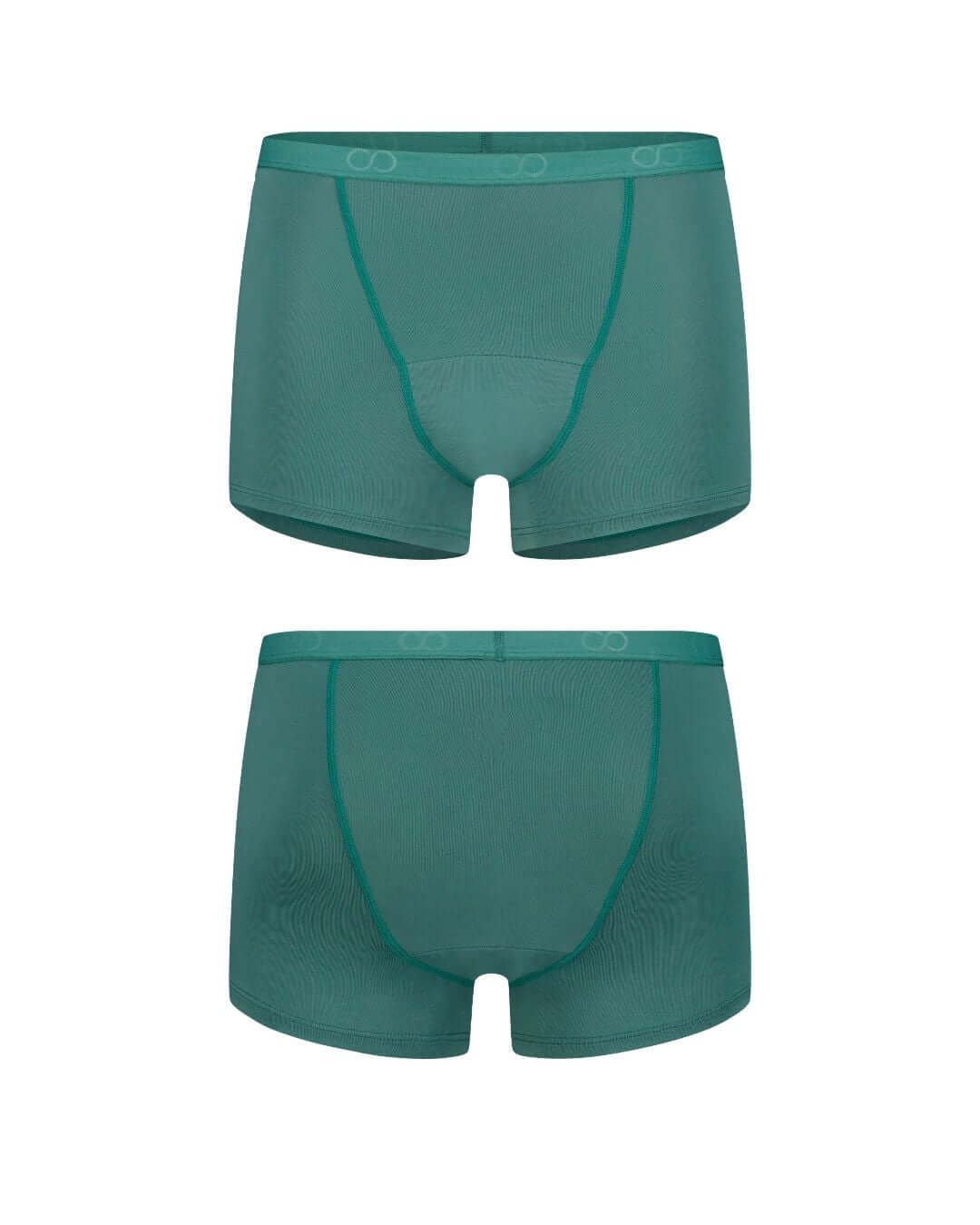
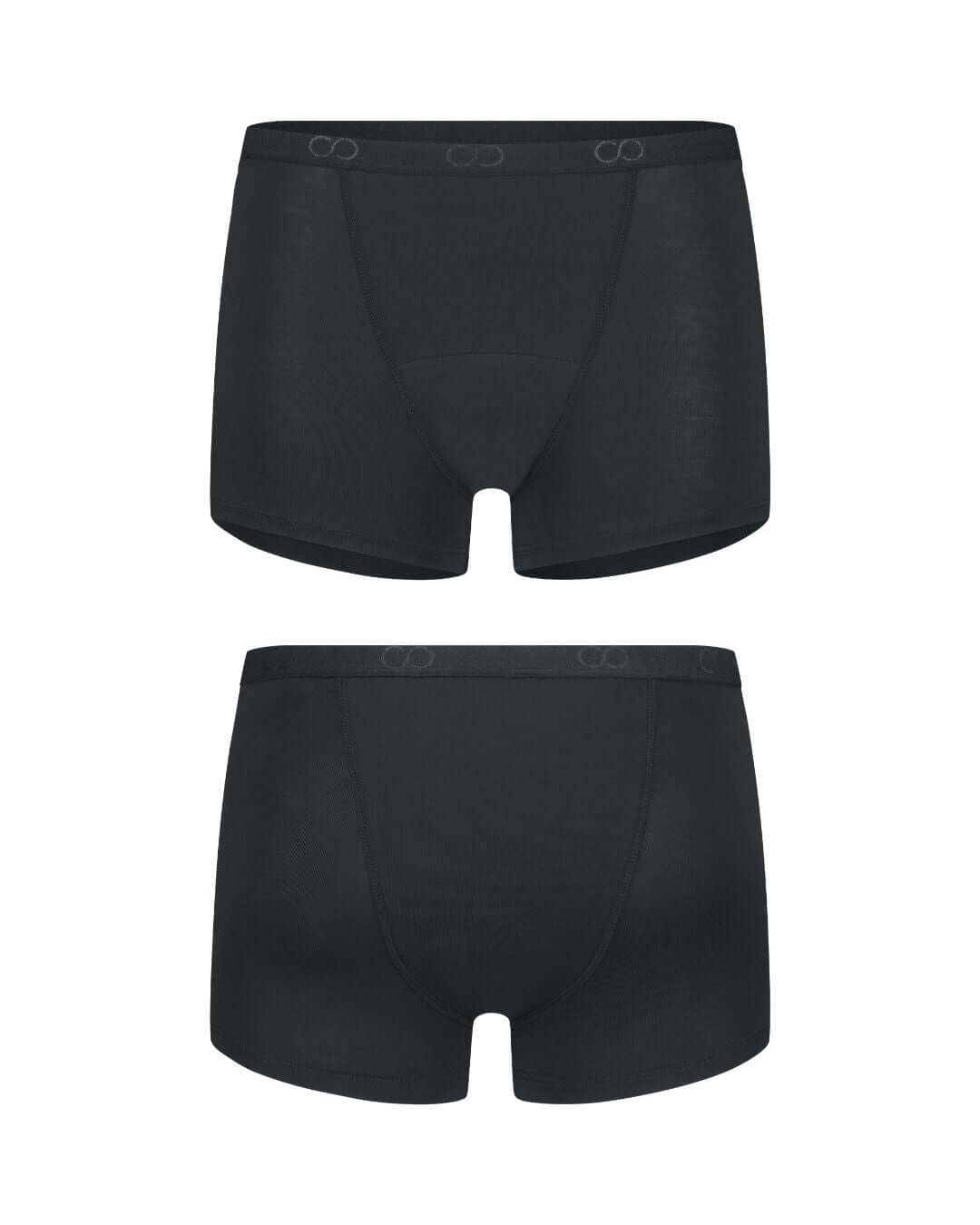
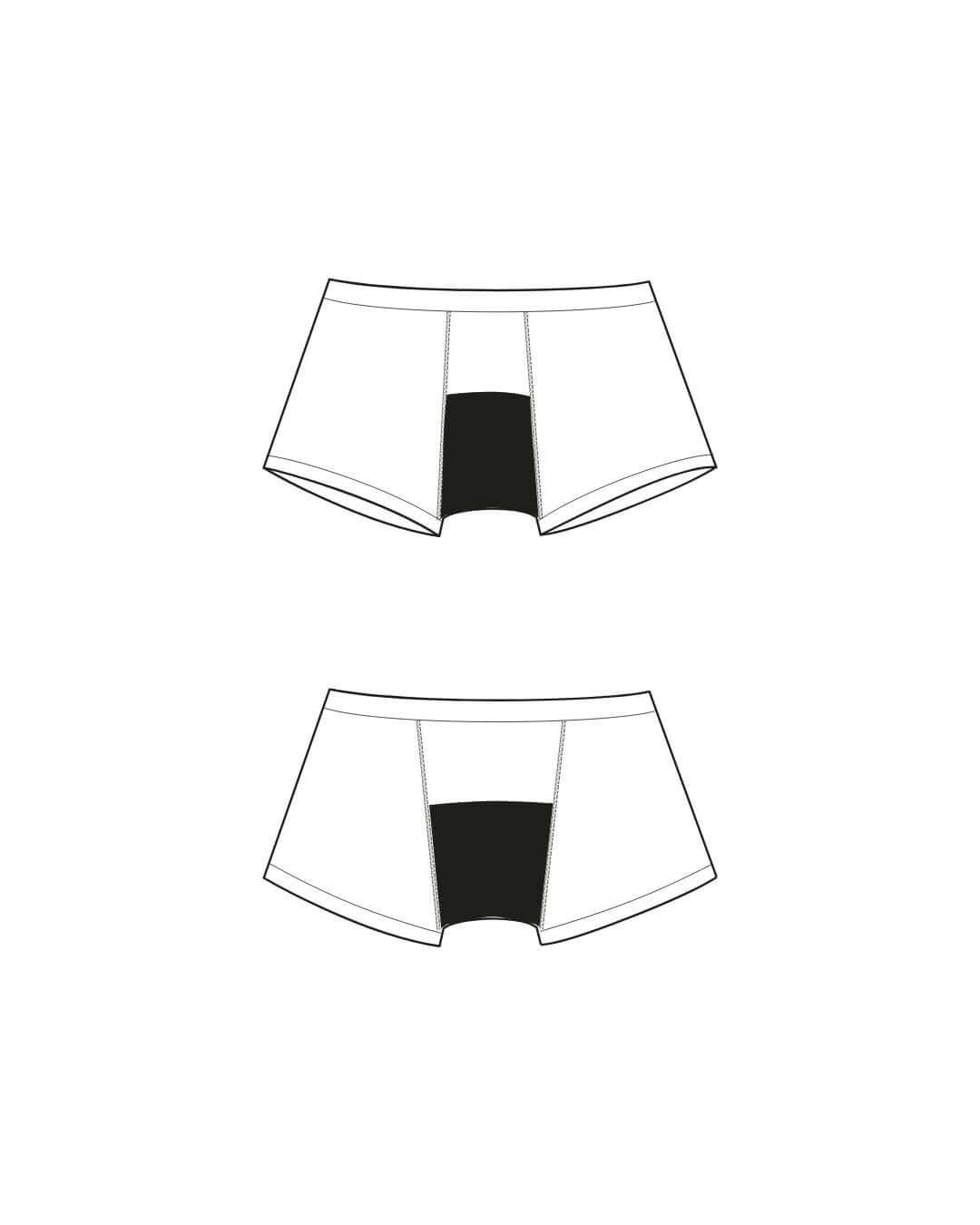
Today, her cycle isn't completely regular yet, but she's grateful that her body is recovering. "Sometimes I skip a month, but I feel like things are going in the right direction. Just in case, I always carry something with me, like period underwear, so I'm not caught off guard. It gives me peace of mind that I don't have to worry about it so much anymore."
When your cycle stops, what can you do?

Missing your period isn't a sign of weakness. It's your body's signal that it needs more energy and rest. In many cases, the process is reversible. Nutrition, relaxation, and regaining a healthy weight can help restore hormonal balance.
It's important to seek help from a doctor or dietitian, especially if you find that food or body image plays a significant role. Talking to someone you trust can also help reduce the pressure.
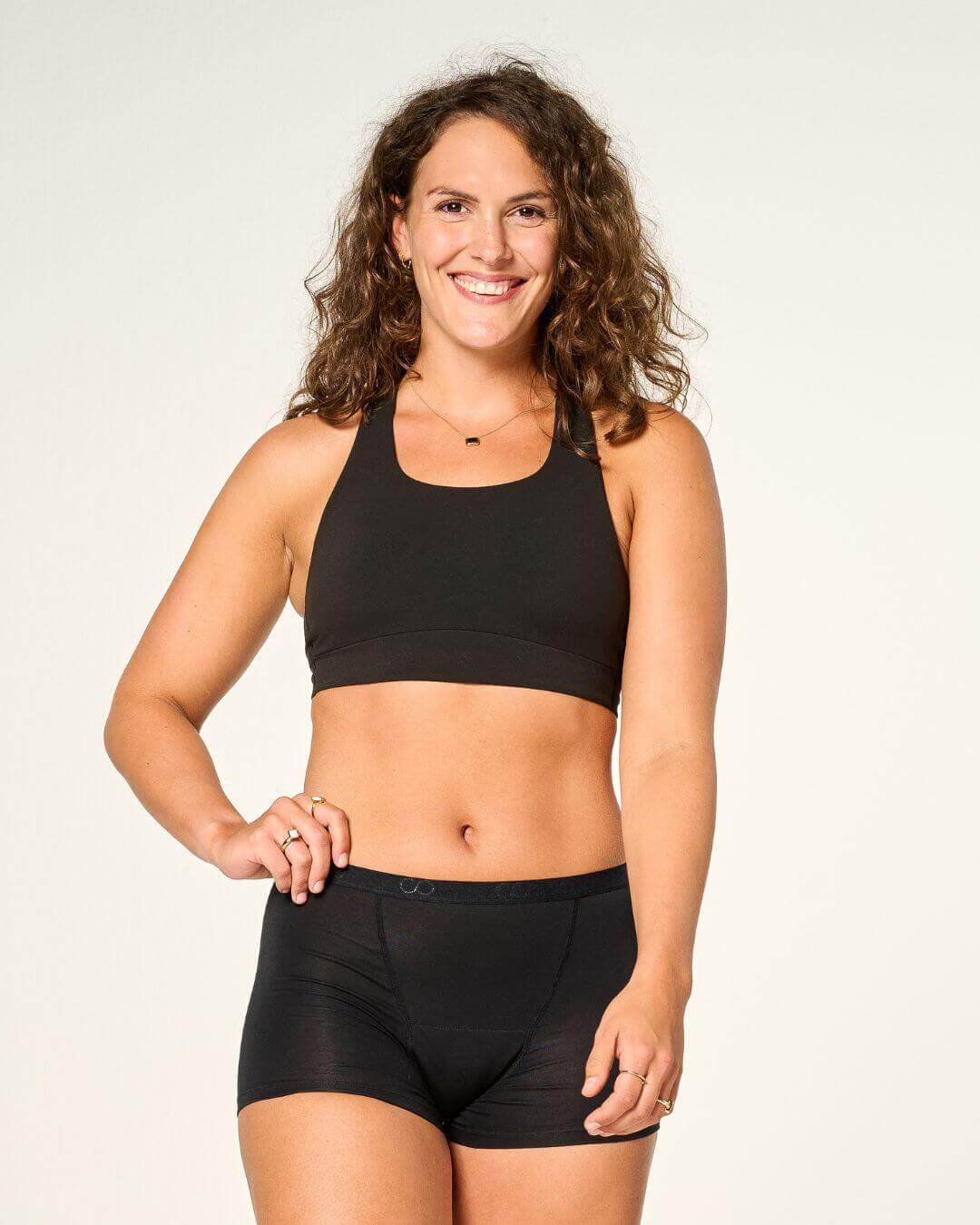
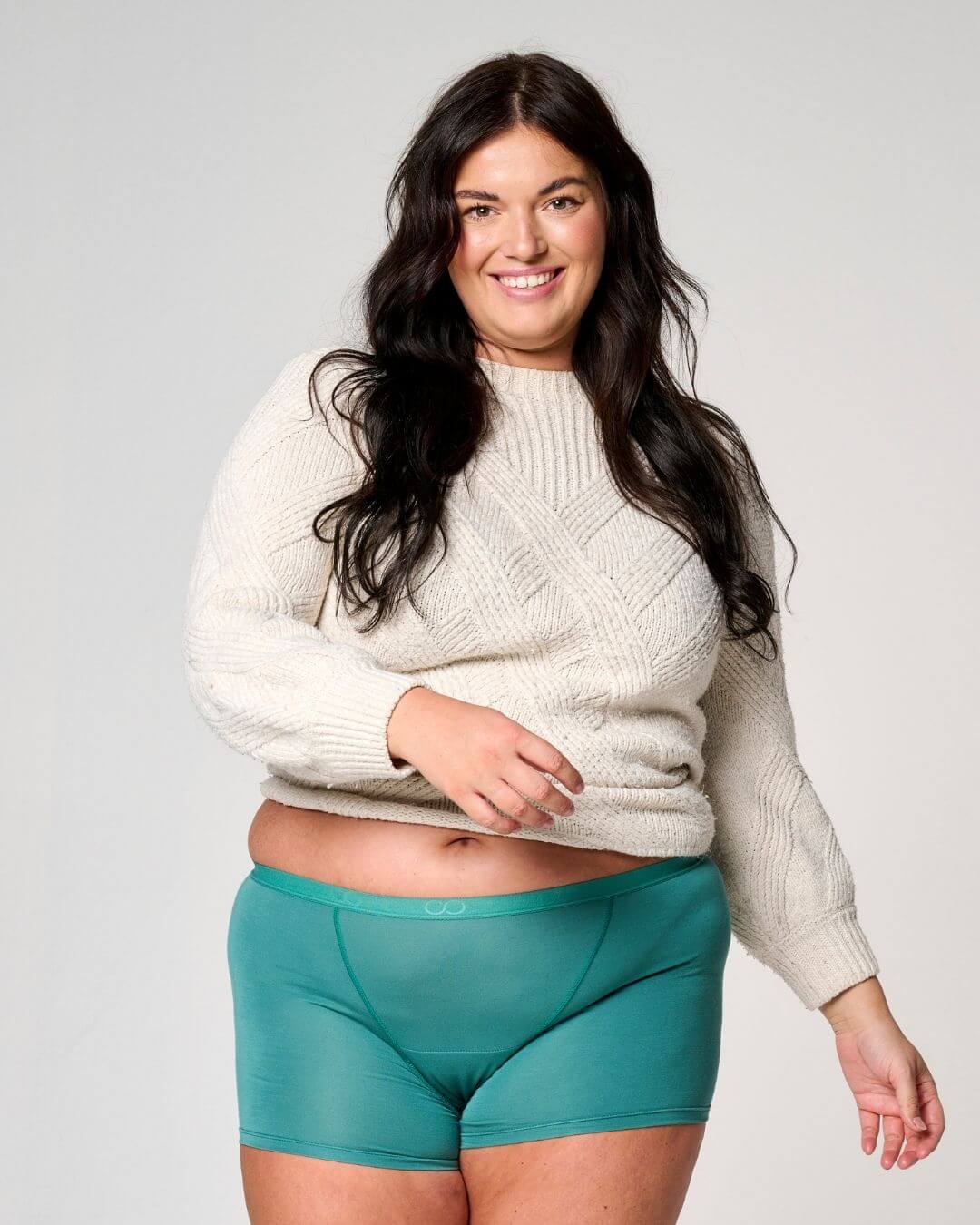
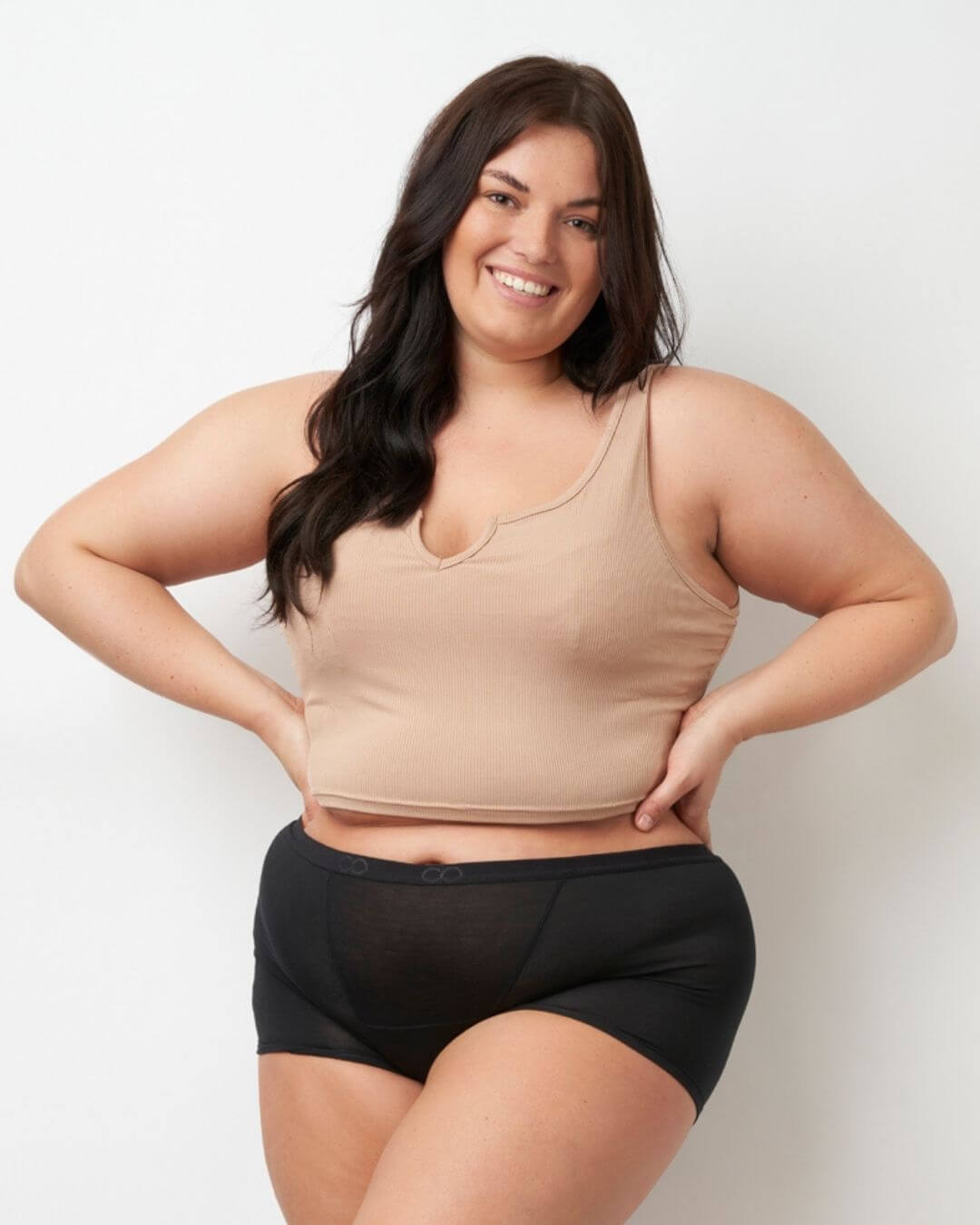
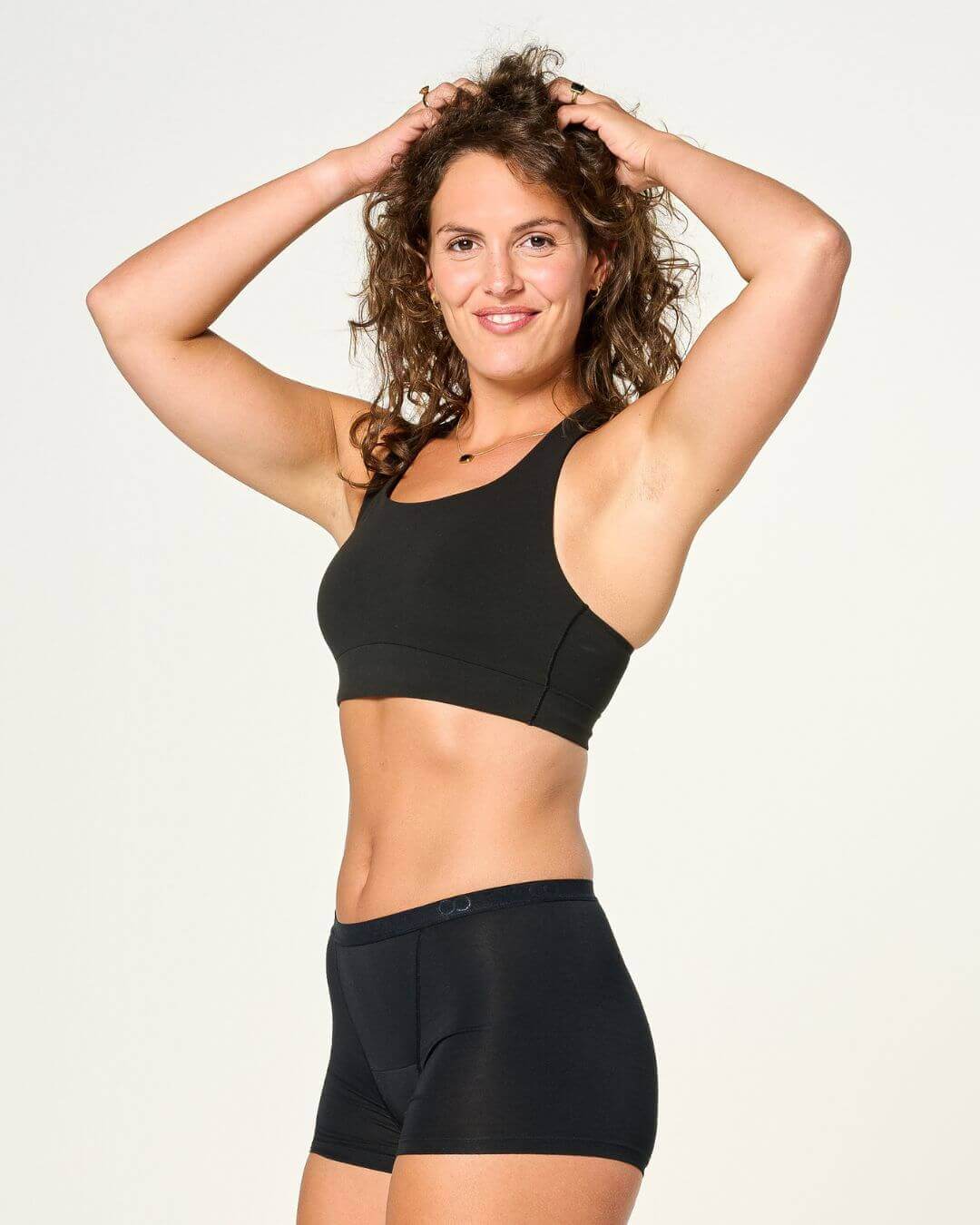
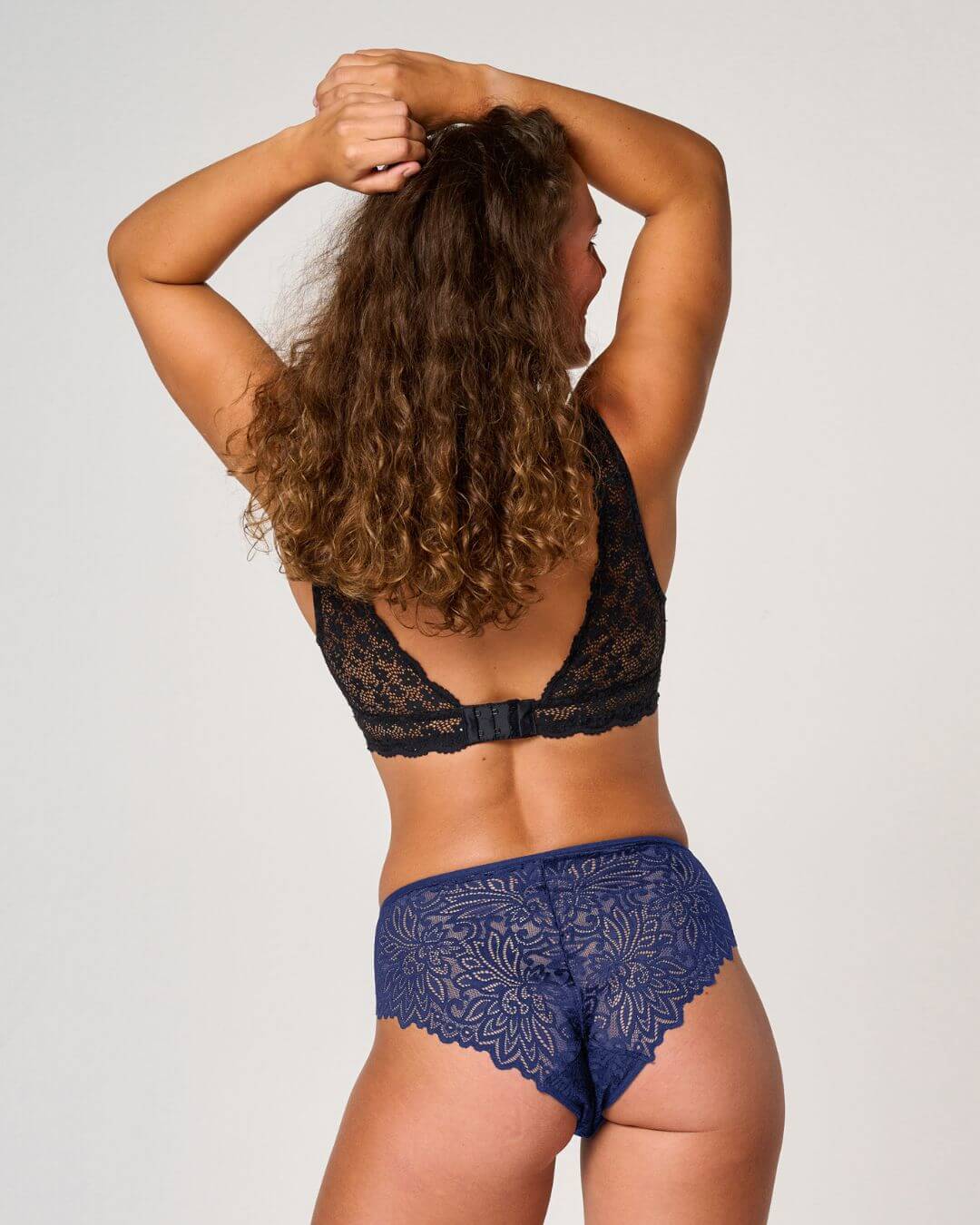
During the recovery phase, period underwear can be a practical and comfortable support. When your cycle becomes irregular or returns unexpectedly, it offers comfort and security without the stress of disposables. And perhaps even more importantly, it helps you reconnect with your body, in a gentle way.
The message Lisa herself wished she had heard sooner
Lisa wants to teach other girls the importance of seeking help and talking about it. "At first, I thought I had to deal with it alone. But sharing it with others and seeking guidance from a dietitian helped me. And the most important thing was my mindset. Only when I stopped trying to control everything did I get my period back."
Your body deserves rest and confidence
Amenorrhea isn't always easy to talk about, but it's part of the broader story of female well-being. Your cycle isn't a burden, but a sign of balance. When that silence falls, listen with gentleness instead of fear.
With rest, nutrition, and self-care, your body can recover. And with something as simple as comfortable period underwear, you can remind yourself that self-care starts with listening to what your body is trying to tell you.