Menstrual health wasn't on the agenda of the International Conference on Population and Development or in the Millennium Declaration. Nor is it explicitly mentioned in the Sustainable Development Goals.
On June 22, 2022, a WHO statement finally placed it on the global agendas of health, education, human rights, and gender equality. Yess! The impetus came from reports from local workers and activists in Africa. These reports primarily focused on the experiences of shame and embarrassment of women and girls, as well as the obstacles they face during their periods due to a lack of resources to manage them.
Doing this now can have positive consequences for their life chances, including their rights to education, work, water and sanitation.

WHO calls for menstrual health to be recognized and addressed as a health and human rights issue:
WHO calls for three actions.
First, to address menstruation as a health problem, not a hygiene problem—a health problem with physical, psychological, and social dimensions. It is also a problem that must be addressed within a life-course perspective—from pre-menarche to post-menopause.
Second, recognizing that menstrual health means that everyone who menstruates has access to information and education about it, as well as access to the menstrual products they need, such as water, sanitation, and empathetic care when needed. This also includes living, studying, and working in an environment where menstruation is experienced as positive and healthy; and participating fully in work and social activities.
Third, to ensure that these activities are incorporated into the relevant sectoral work plans and budgets. Performance must be measured.
The WHO is committed to encouraging health policymakers and program managers to promote the rights of all menstruators. In doing so, they hope to meet their extensive menstrual health needs. The WHO is also committed to breaking the silence and stigma surrounding menstruation by making schools, health facilities, and other workplaces (including WHO workplaces) menstruation-proof.
Governments are beginning to act, but they need to do much more.

A growing number of governments are taking action. Some have abolished taxes on menstrual products. Others have focused on the challenges faced by students in need of menstrual products. Still others have regulations to provide menstrual products to disadvantaged groups, such as the homeless or prisoners.
Finally, some countries have implemented laws and policies for medical leave when someone experiences symptoms related to menstruation.

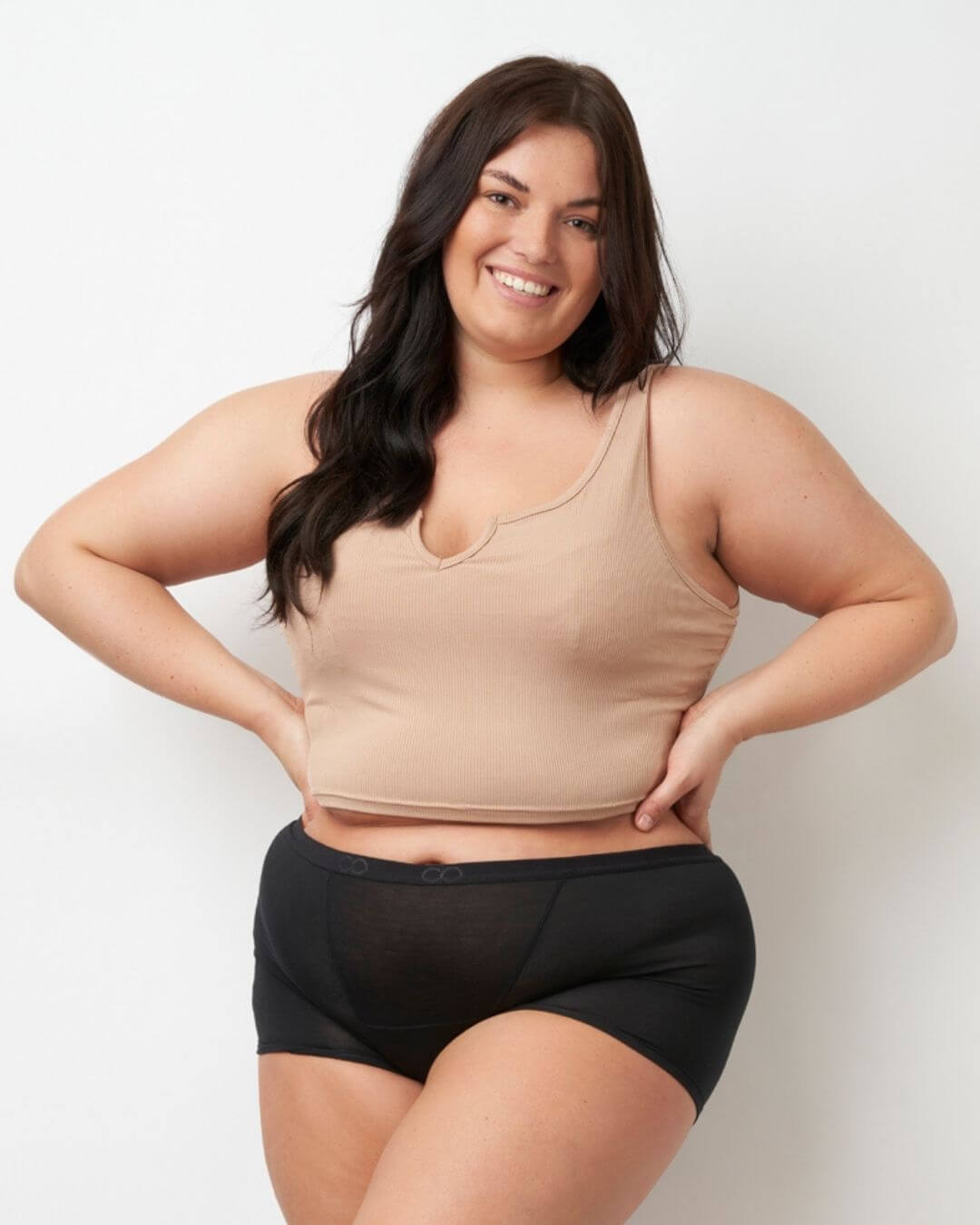
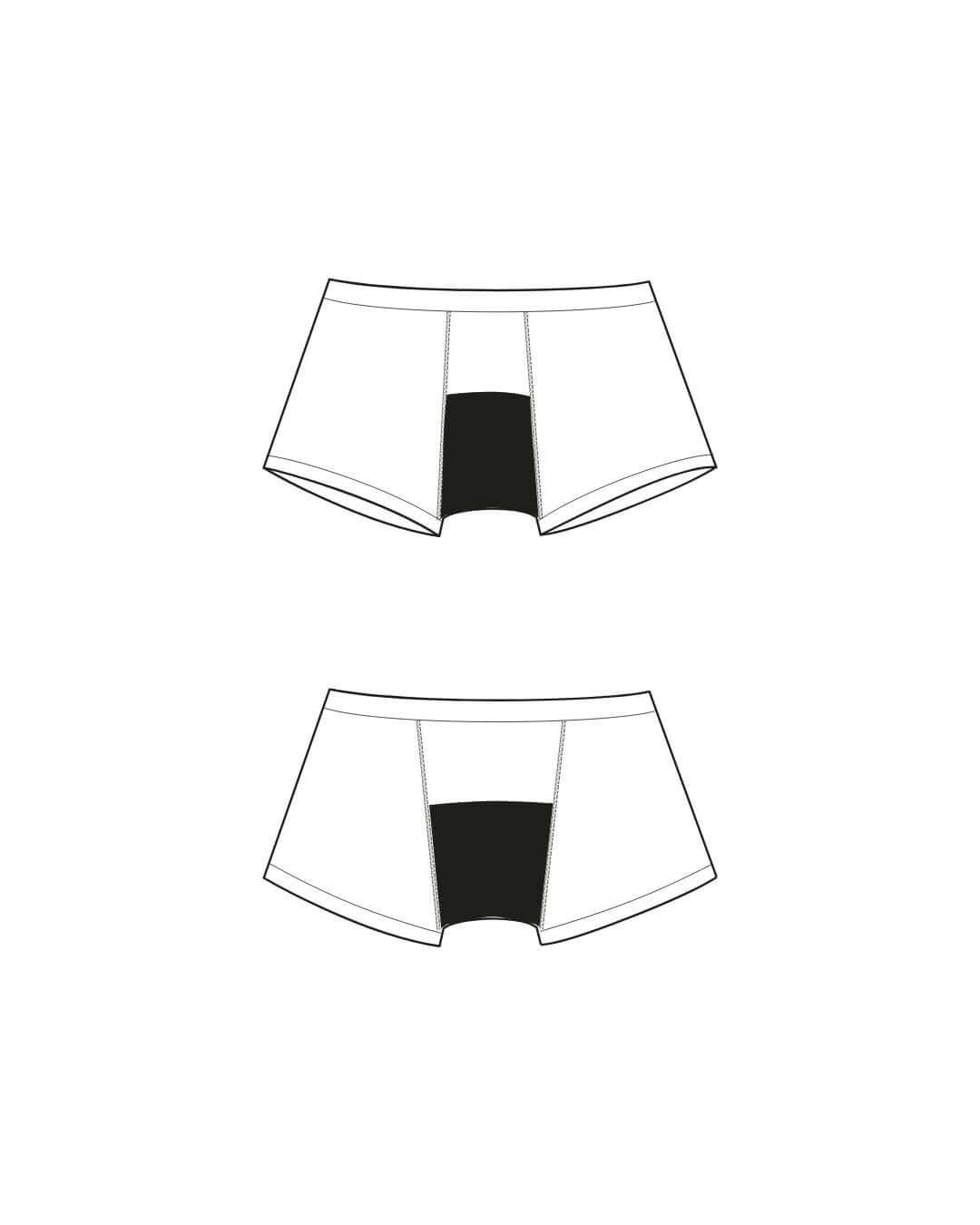
These are generally helpful steps, but governments can and should do more than improve access to menstrual products like period underwear . They must support schools, workplaces, and public institutions in managing menstruation comfortably and with dignity. More importantly, they must normalize menstruation and break the silence surrounding it.
An important step has been taken, and now let's move on!!