The menopause is a phase that brings many changes, physically, mentally, and emotionally. Many women notice that their bodies react differently: energy fluctuates, muscle strength decreases, and symptoms such as hot flashes or sleep problems can increase. It is precisely during this period that exercise can play a powerful role. Not as an obligation, but as support for your body and your self-confidence.
Why is exercising during menopause so important?
During menopause, estrogen production decreases. This hormone affects, among other things, your muscle mass, fat distribution, bone density, and mood. In practice, we see that this causes women to lose muscle strength more quickly, store fat more easily (especially around the abdomen), and become more susceptible to mood swings.
Regular exercise can help with this:
- It helps maintain muscle mass and bone density
- It contributes to a more stable mood
- It can reduce hot flashes and stress
- It supports a healthy weight
- It improves sleep quality
Important to know: exercise does not have to be intense or perfect to be effective. Consistency and enjoyment are much more important than performance.
What changes in your body during exercise?
Many women notice that exercising suddenly “feels different.” Where you used to recover easily, it may now take longer. Or you notice that you get tired more quickly.
This is not strange. Due to hormonal changes:
- Your body recovers more slowly
- Muscle building decreases slightly
- Your energy balance changes
This does not mean you should move less, but that you should move smarter. Listening to your body becomes more important than ever.
Which sports are suitable for menopause?
There is no one-size-fits-all, but a combination of different forms of exercise often works best.
1. Strength training: for muscle mass and bones
Strength training is perhaps the most underestimated form of exercise for women. It helps slow down muscle loss and supports your bones.
Consider:
- Weight training
- Bodyweight training
- Resistance bands
Many women notice that they feel stronger and more stable when they do this consistently.
2. Cardio training: for your heart and energy
Cardio helps you maintain your fitness and supports your heart health.
Examples:
- Walking
- Cycling
- Elliptical trainer
- Swimming
- Light jogging
A moderate or average intensity for your workout is often easier to sustain than extremely intensive workouts. If you can keep that up, it's easier to stay consistent.

3. Gentle exercise: for balance and recovery
Not every workout has to be intense. Gentle forms of exercise help your body recover and reduce stress.
Consider:
- Yoga
- Pilates
- Stretching
- Breathing exercises
These forms contribute to relaxation and body awareness. Additionally, they are also good for your breathing, heart rate, and flexibility.
Exercise and menopausal symptoms: what can you expect?
Exercise can positively influence various symptoms, but it is not a miracle cure. It mainly helps to keep your body in better balance.
Many women notice:
- Less stress and tension
- Better sleep
- More energy during the day
- Less intense hot flashes
- Better weight management
At the same time, every body is different. It's normal to sometimes have to search for what works for you.
Practical tips for maintaining exercise
The biggest challenge is often not starting, but keeping it up, especially when your energy isn't the same every day.
- Listen to your body - Some days you have more energy than others. That's normal. Adjust your training accordingly instead of pushing through.
- Choose what fits your life - A strict workout schedule sounds good, but it's not always realistic. Walking, cycling, or exercising at home can be just as effective.
- Make it accessible - Small steps make a difference. 20 minutes of exercise is already valuable.
- Combine exercise with relaxation - Balance is especially important during menopause. Combining intensive training with moments of rest helps prevent overexertion.
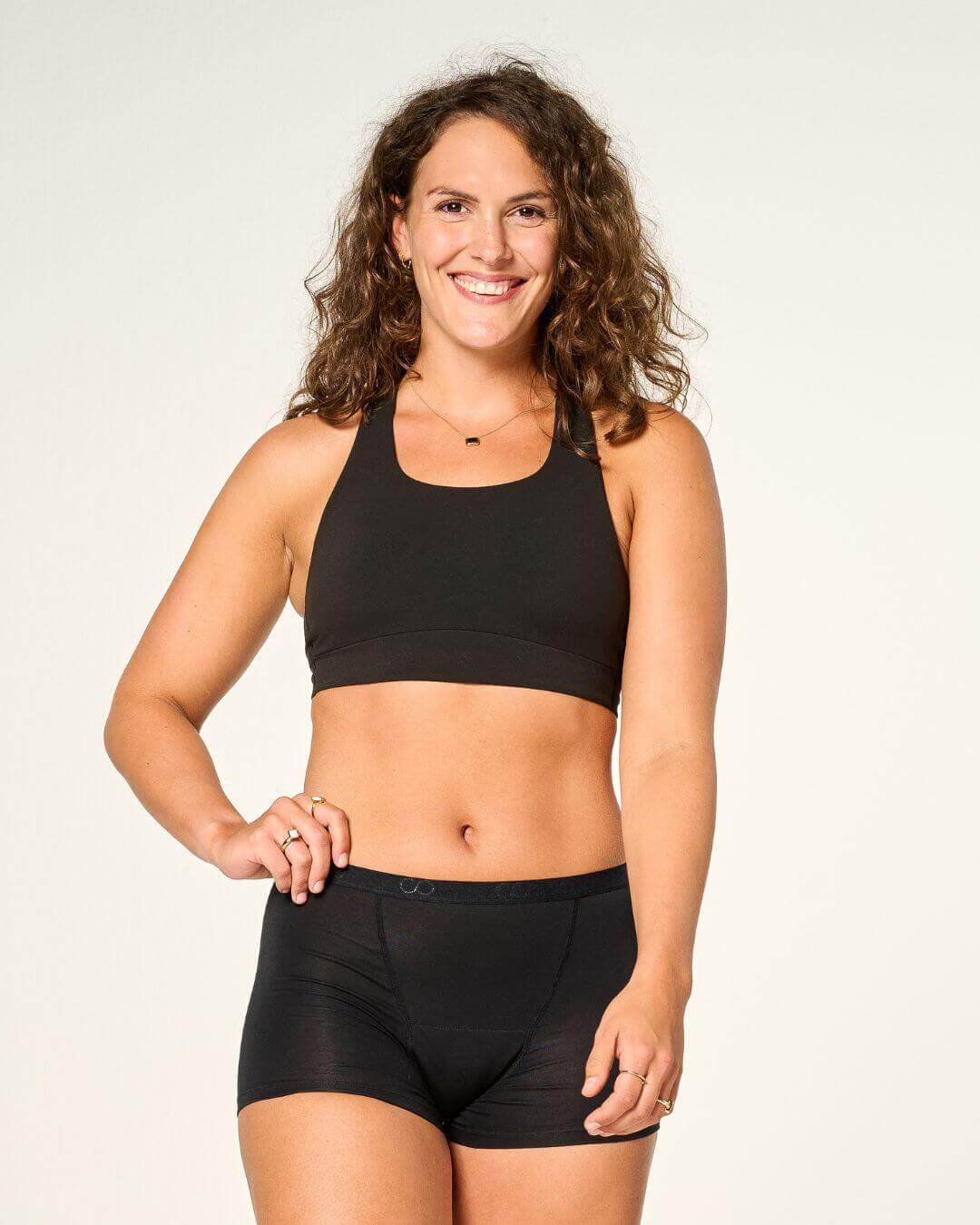
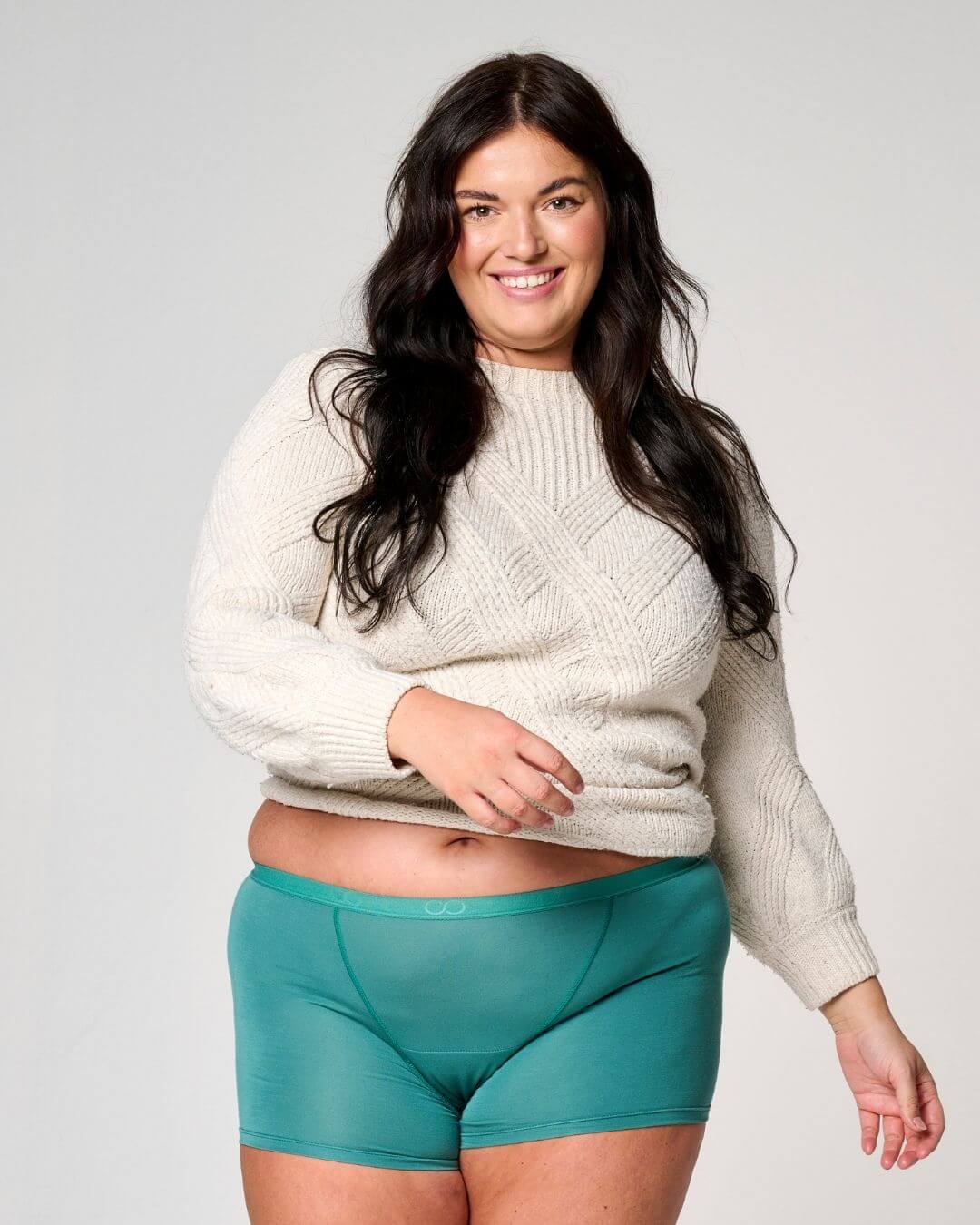
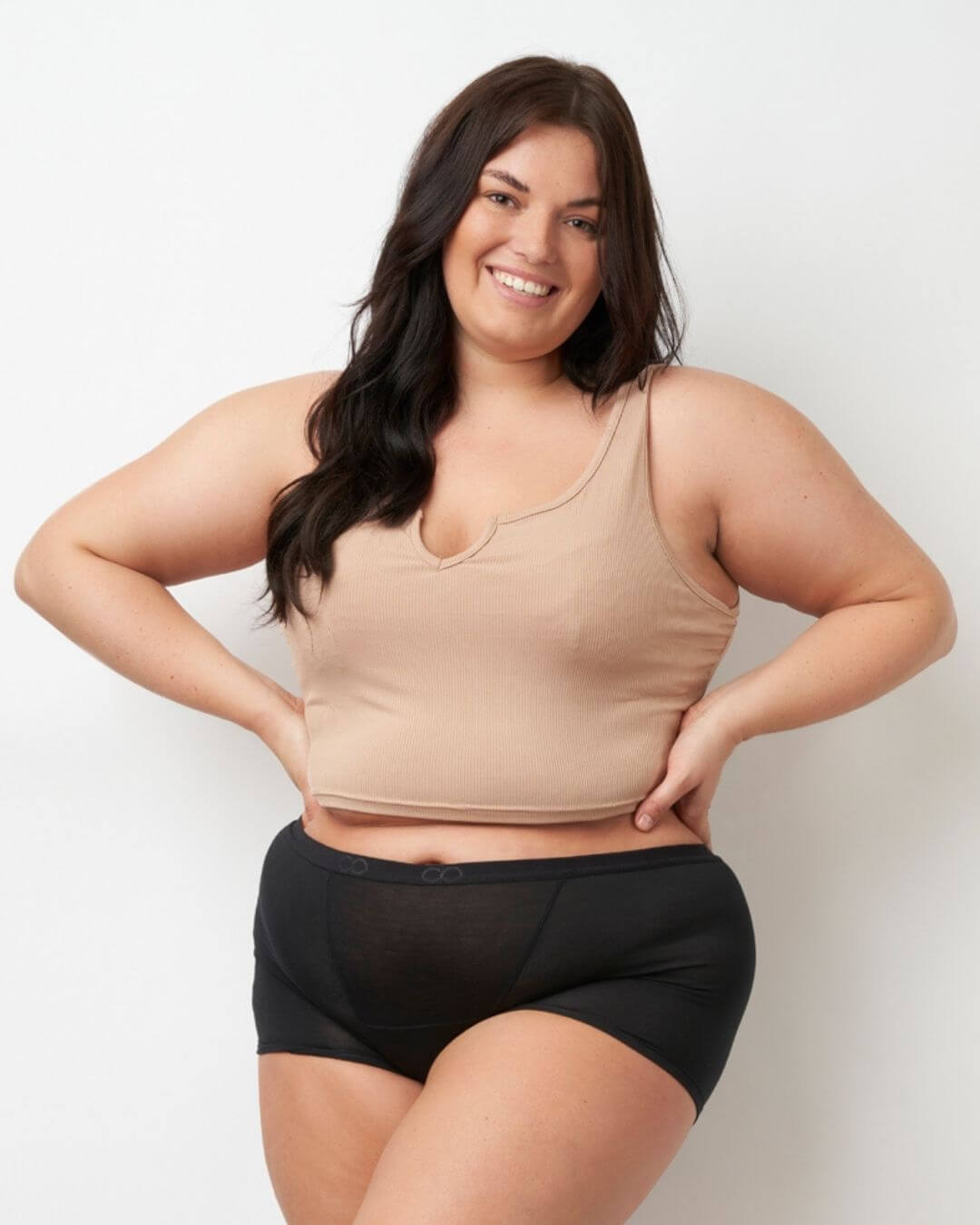
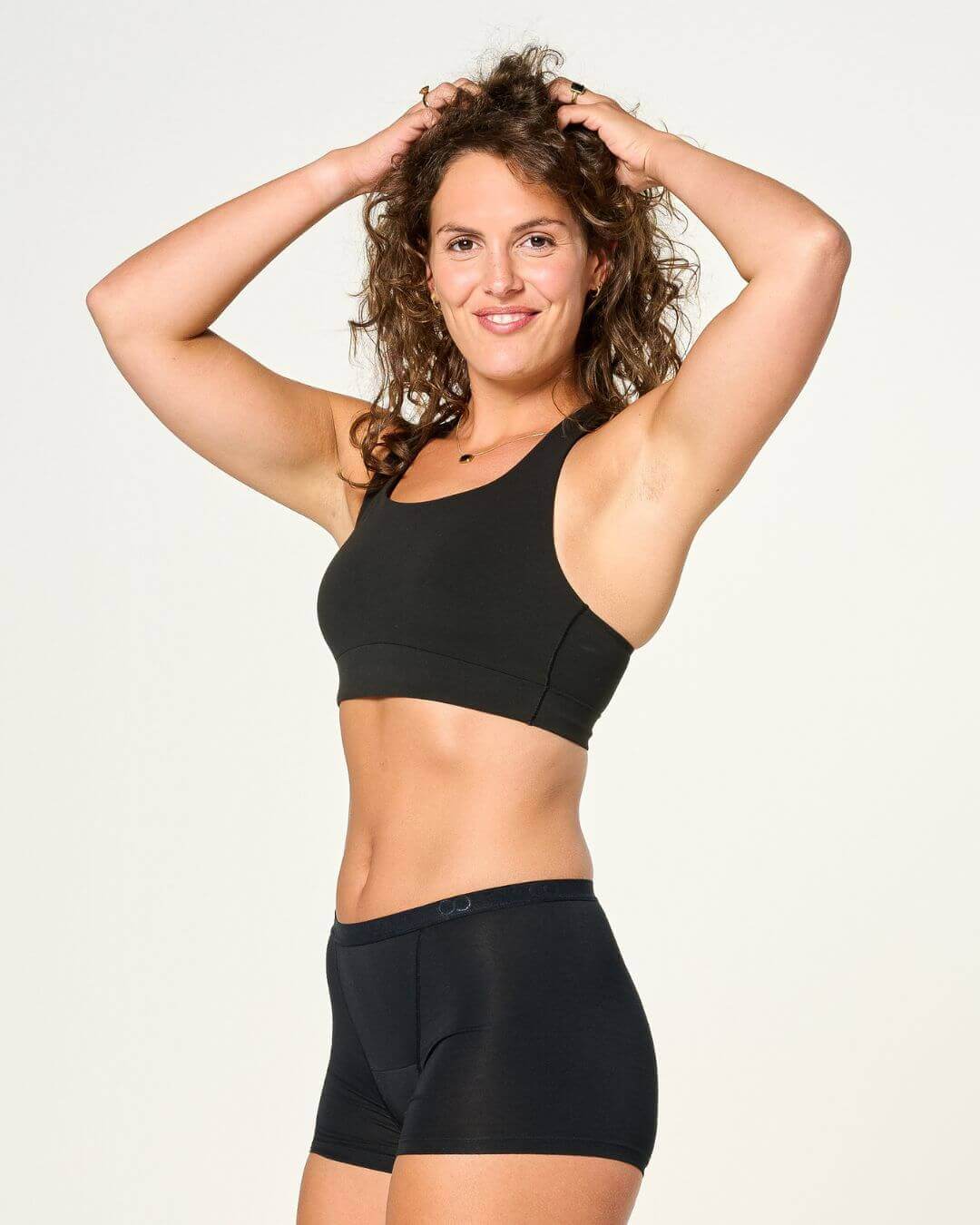
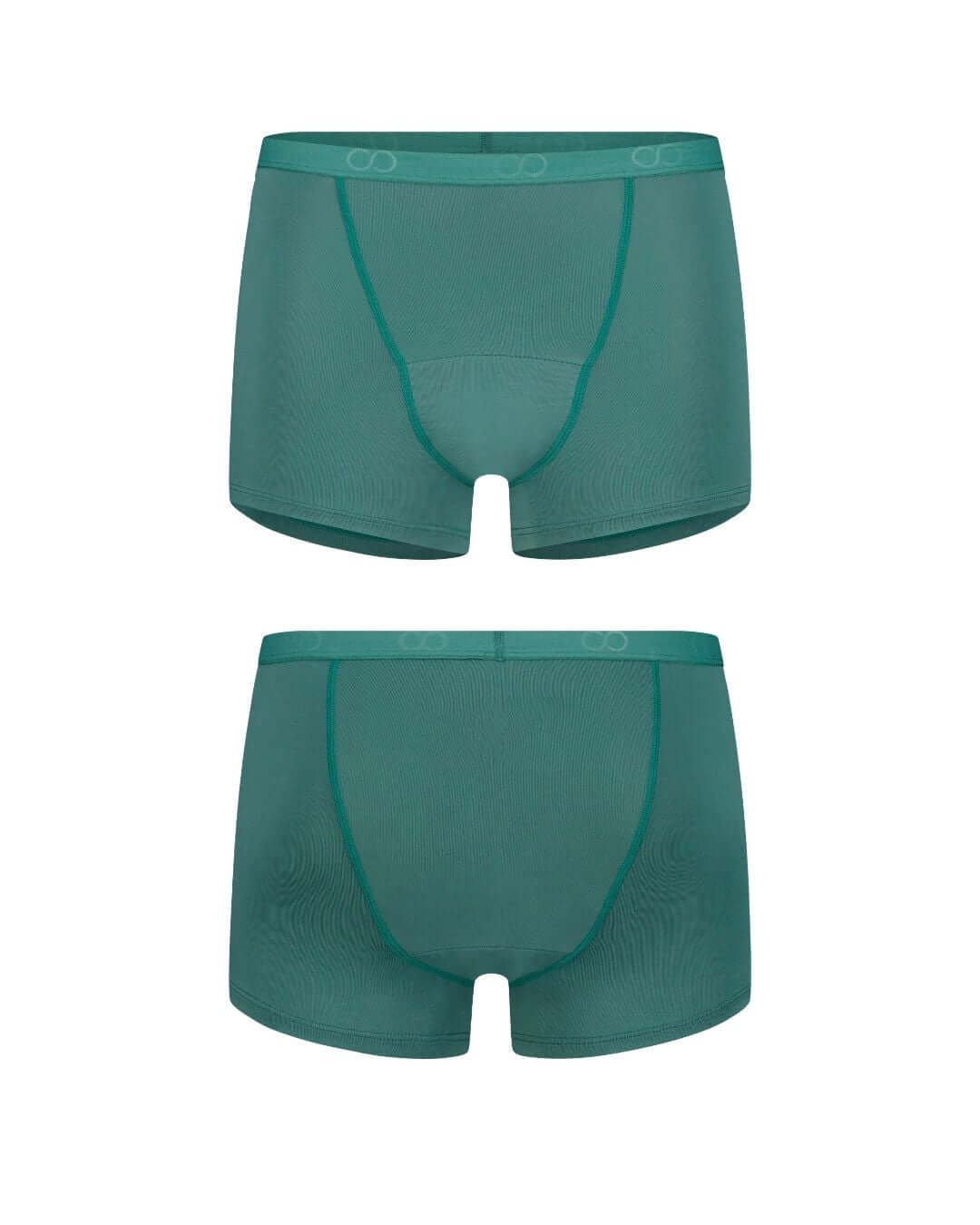
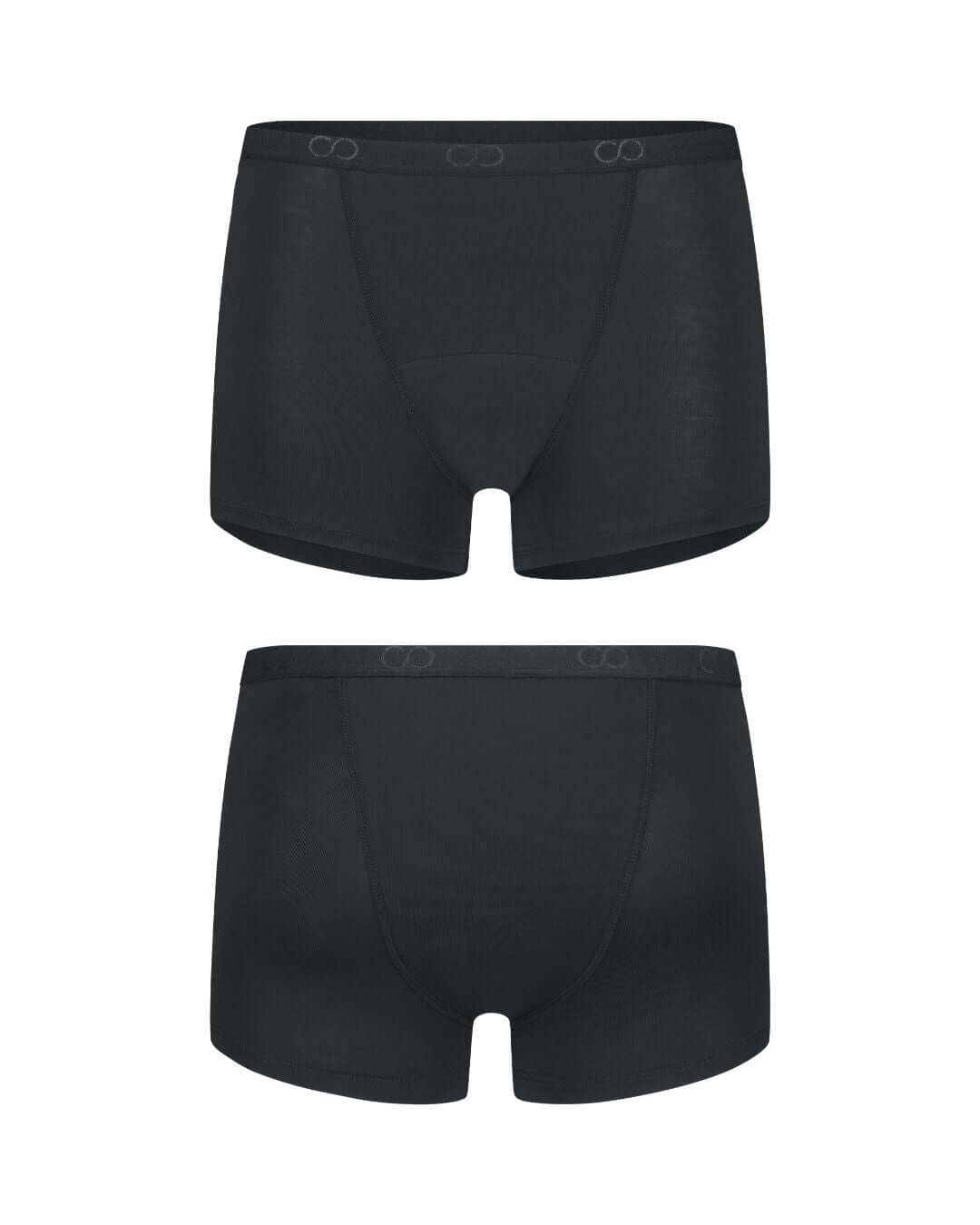
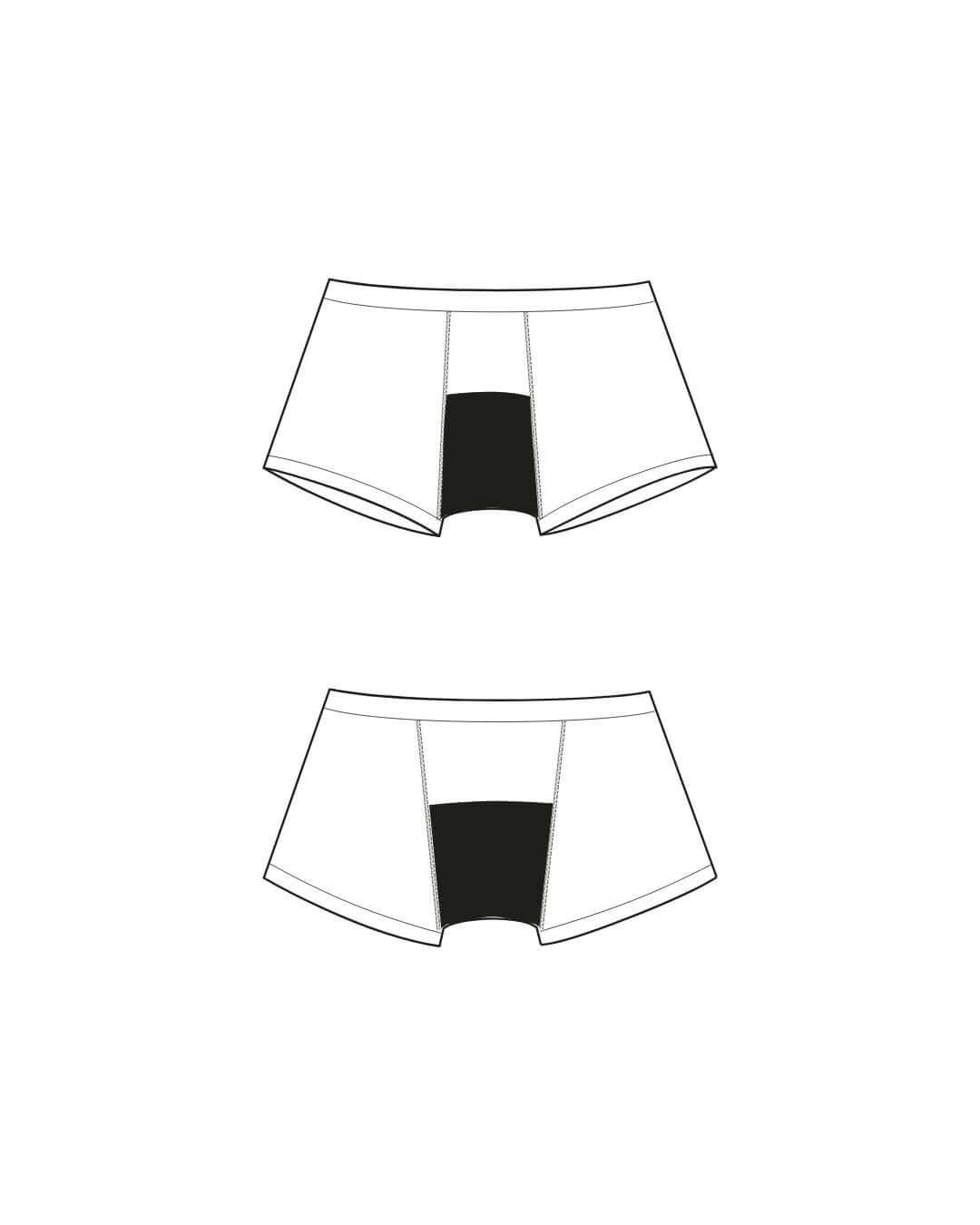
- Wear the right underwear - Many menopausal women report experiencing light urinary leakage. This is completely normal, but can sometimes make you hesitant to exercise. Choosing the right underwear can help with this. Incontinence underwear can give you exactly the confidence and comfort you need to exercise.
Exercising during menopause is not about pushing boundaries, but about:
- Supporting your body
- Better understanding your energy
- Taking yourself seriously
- Making space for movement that feels good
Ultimately, it's about feeling good and staying fit. So hopefully these tips will help you continue to move with ease and energy.