By: Corien Bolwijn, Integral Pelvic Therapy® therapist, dearmouring practitioner & breathing coach.
Sometimes things come together beautifully. Claire van Beek, founder of Moodies, and I recently met spontaneously through LinkedIn. We started talking about our areas of expertise: Claire proudly shared how happy people are with their washable menstrual and incontinence underwear. I shared that women in my practice often truly get rid of their incontinence thanks to IPT® sessions and sent her my website.
Claire wasn't familiar with IPT® yet and immediately asked me if I wanted to write a blog post about it. My first reaction was:
"But... if I help women overcome their incontinence, they won't need your underwear anymore. Do you really want that?"
Claire laughed: "Exactly! I hope our clients eventually won't need any assistive devices at all. And until then, we want to support them as comfortably as possible."
And that is precisely the strength of our collaboration: support now, recovery for later.
Light urine loss, more common than you think
Many women (and men) experience this. Perhaps you recognize this:
- some urine escapes when you laugh, cough, lift or exercise (stress incontinence)
- you feel a sudden urge that you cannot suppress (urge incontinence)
- you have both forms mixed together (mixed incontinence)
- you go to the toilet extra often to be on the safe side
- you sometimes wear something in your underwear "just to be sure"
It's understandable and human. But: it doesn't have to stay that way.
This often occurs after pregnancy, during hormonal changes, due to tension in the pelvic area or because muscles and connective tissue do not work together optimally.
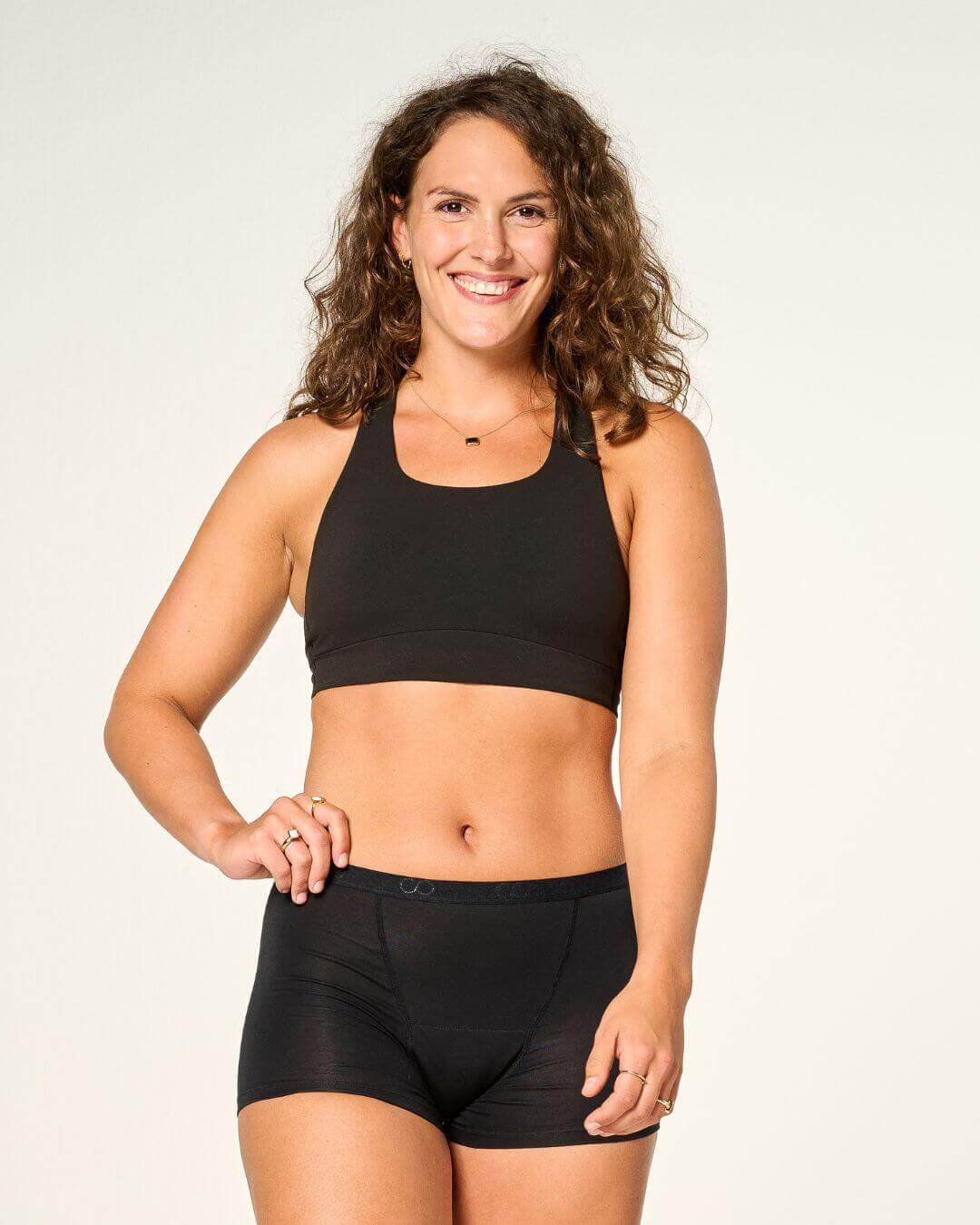
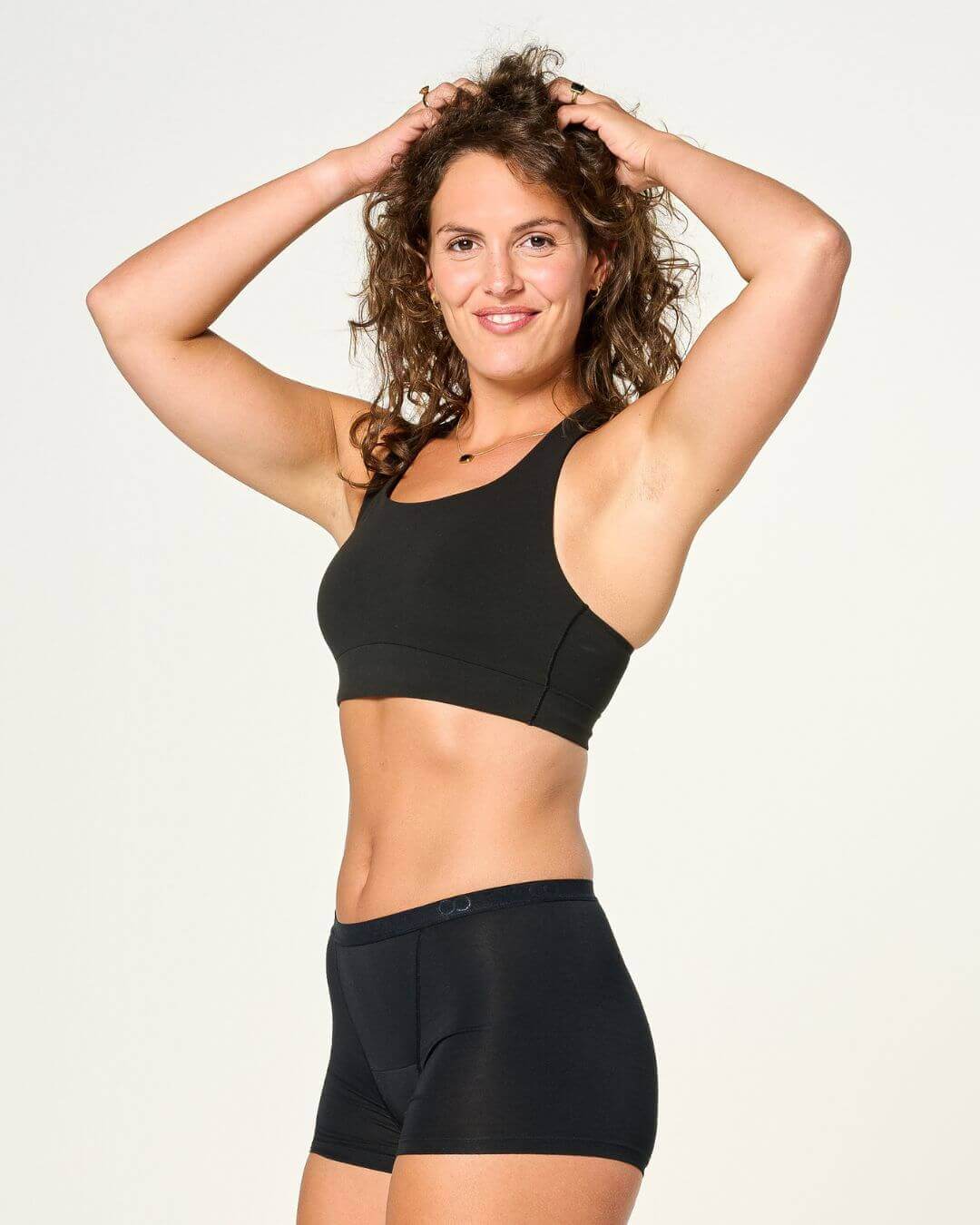
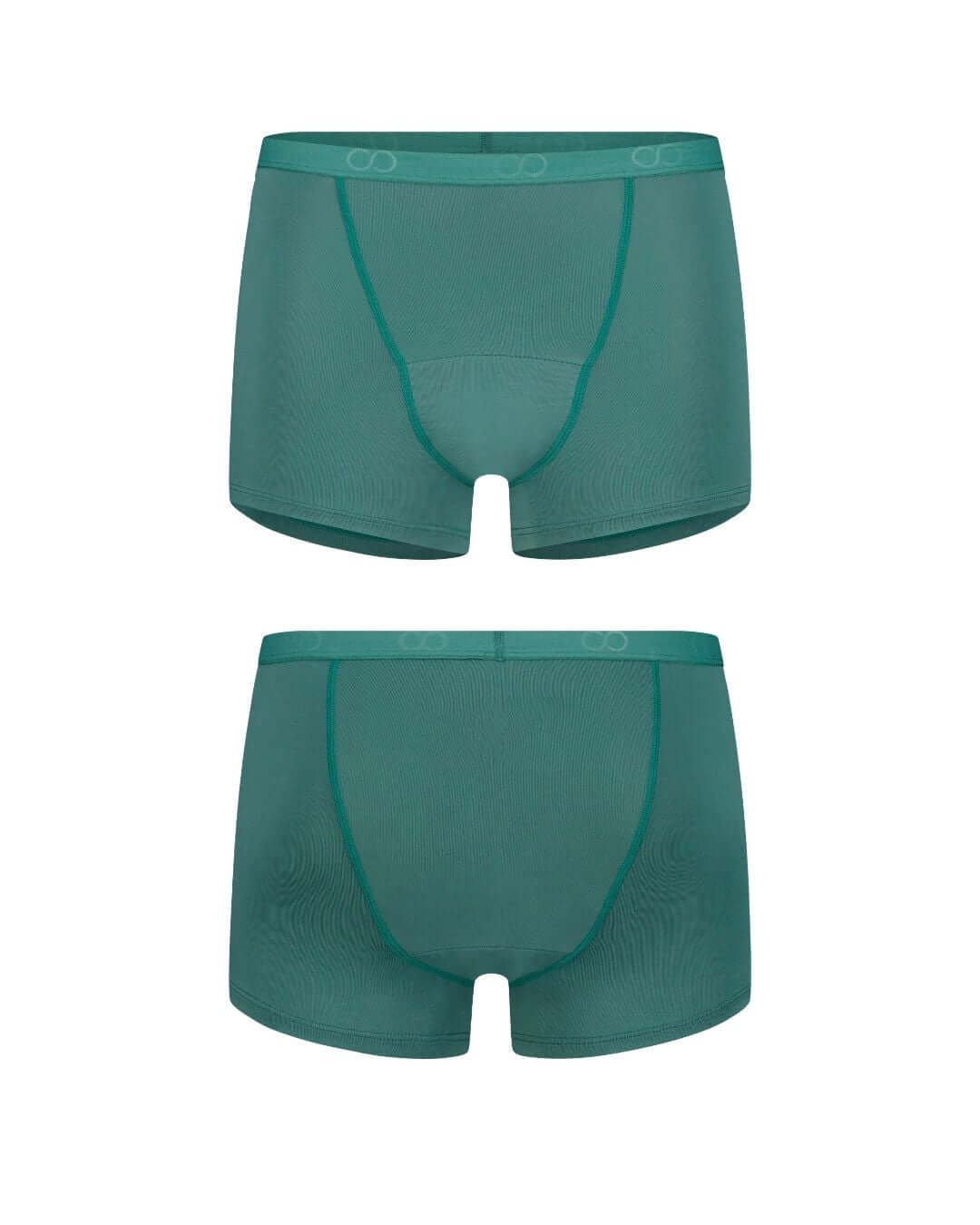
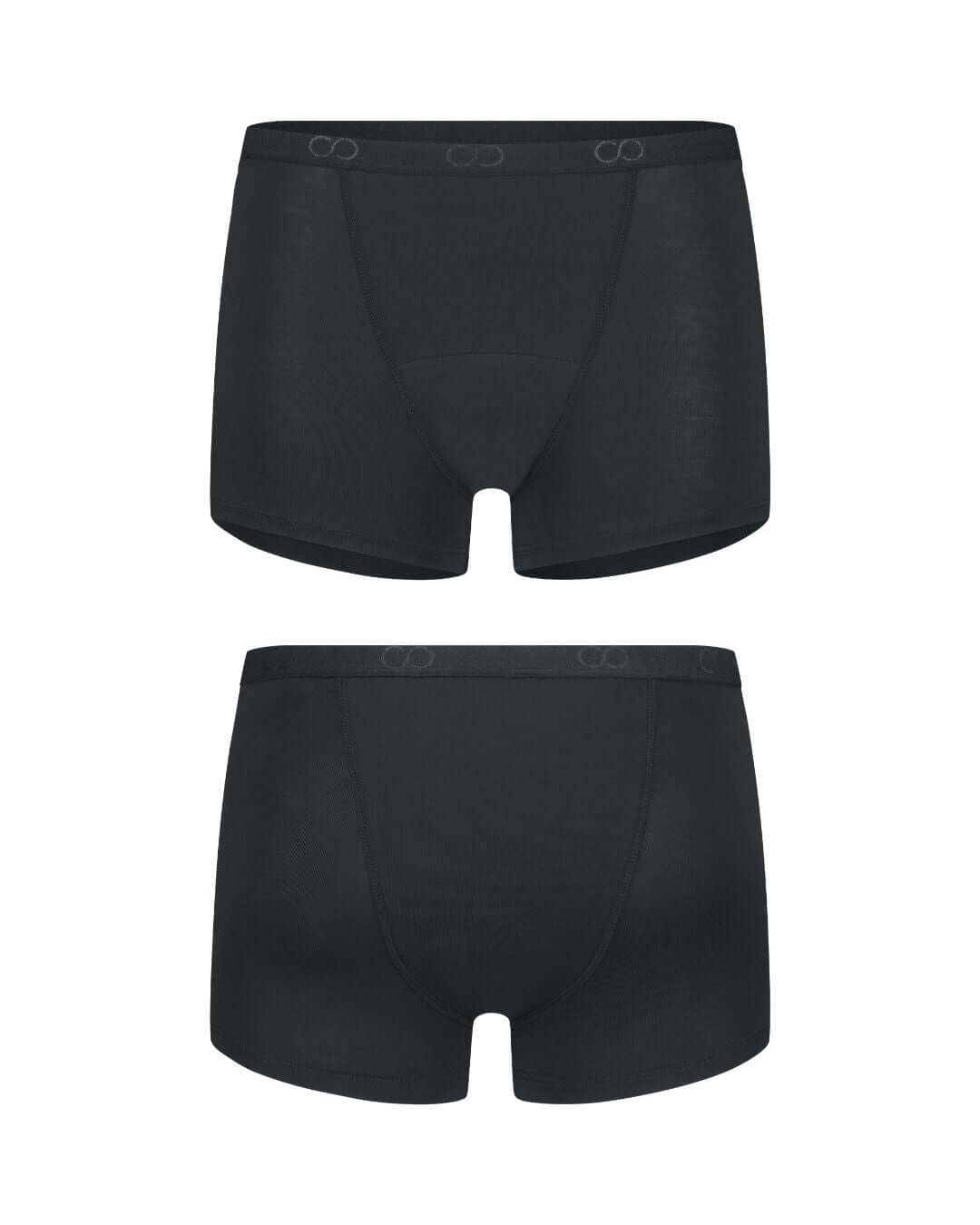
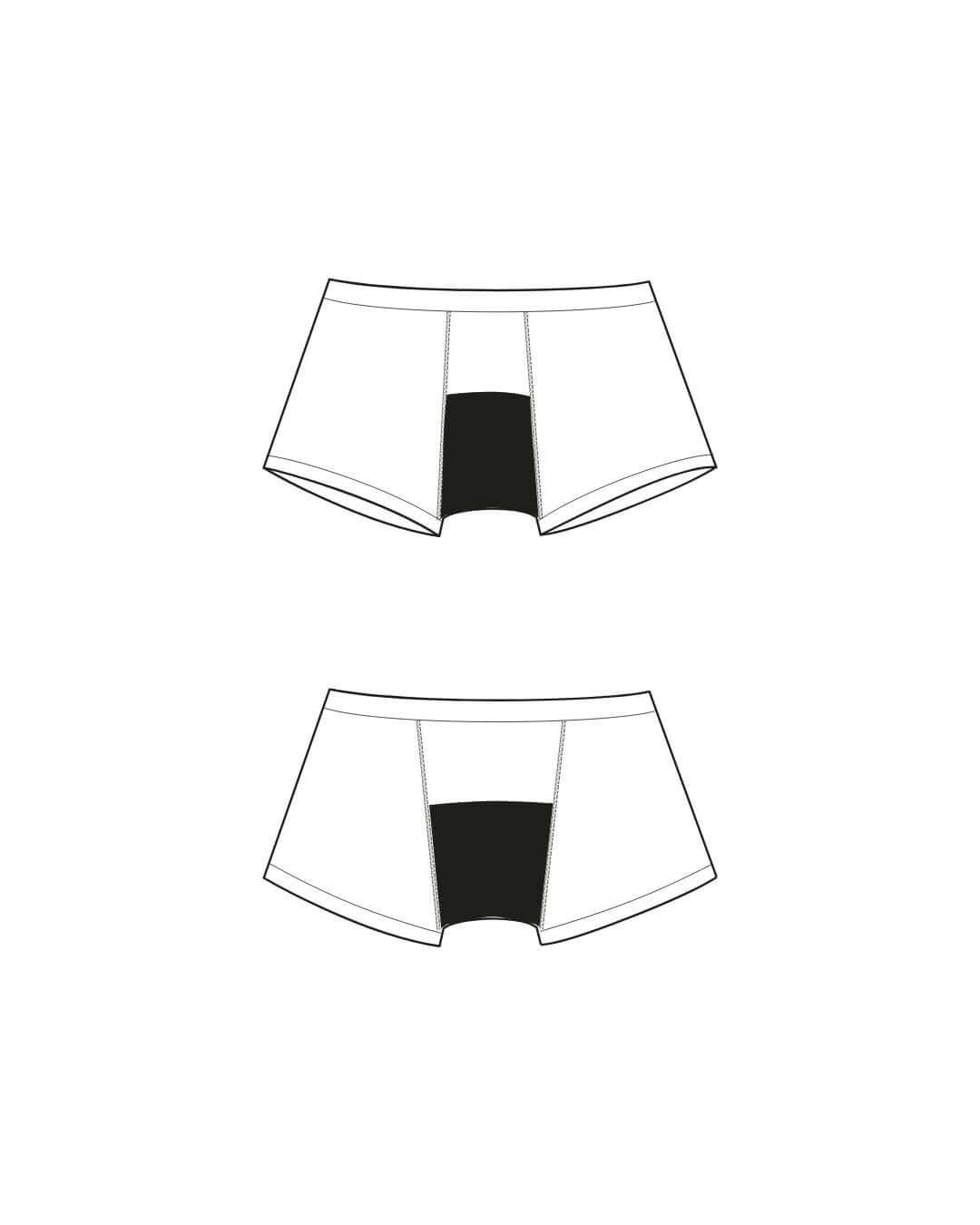
Moodies undies offer you a safe, comfortable solution for everyday life while you work on your recovery.
Recovery from within: pelvic floor physiotherapy and IPT® compared
Pelvic floor physiotherapy
Pelvic floor physiotherapy focuses not only on the pelvic floor muscles, such as strength, coordination, and relaxation, but also considers broader factors that can influence symptoms. These include pelvic tension, breathing, posture, sexuality, urological and gynecological issues, nutrition, and toileting habits. A pelvic therapist works externally and, if specialized, also internally. Sessions typically last 20 to 30 minutes and are a valuable first step within regular care. Pelvic floor physiotherapy can also complement IPT very well, allowing more time for in-depth attention, regulation, and working on multiple levels of the body.
Integral Pelvic Therapy® (IPT®)

Integral Pelvic Therapy® (IPT®) is a gentle, holistic form of bodywork specifically developed for treating pelvic pain in both women and men. The goal is to restore balance to the pelvis, thereby reawakening the body's self-healing capacity. IPT works simultaneously on multiple levels: physical, emotional, mental, and energetic.
In IPT, there's plenty of room for slowing down and listening to what your body has to say. The process is completely tailored to you: your pace, your limits, your desires. Safety and regulation are always the foundation.
An IPT session lasts 1.5 to 2 hours. We work step by step: first externally, and only when you're ready, internally as well. A key component of IPT is embodied consent: practicing listening to your body's yes and no. Only when your mind, body, and heart feel a shared yes do we move on to the next step. This makes the process not only safe but also deeply empowering—you'll learn to increasingly sense what your body needs.
In IPT, we work extensively with fascia. This connective tissue runs like a three-dimensional network throughout your body, connecting everything: muscles, organs, nerves, and emotions. Fascia moves and communicates continuously, but it can also become compressed due to stress, overuse, or past experiences. This can cause pain, tension, stiffness, or a feeling of being blocked. By gently working along the natural fascial lines, we invite the body to move with you, allowing not only the muscles but also deeper tensions and patterns to soften and regain their flow.

In cases of (mild) urinary incontinence, we often see a combination of overly tense and weak pelvic floor muscles. In such cases, Kegel exercises alone won't help; relaxation and awareness are needed first, and only then is strength applied. IPT (Intrauterine Pain Management) is precisely the answer.
An IPT programme can be complementary to pelvic floor physiotherapy, a trauma therapist or psychologist.
IPT not only helps with urinary incontinence
IPT is also valuable for pelvic pain and tension, postpartum recovery or scar tissue, pain or tension during sex, prolapse or pelvic instability, and numbness or excessive tension in the pelvis. IPT is also helpful for anyone who wants to experience more connection, relaxation, or energy in the pelvic area, even without symptoms.
Finally
Light urine leakage is common, but it's not something you have to endure indefinitely. With Moodies undies, you have comfort and security for now. IPT can help you restore pelvic balance at a deeper level.
Want to discover if IPT® is right for you? You can find all the information and contact me directly on my author page on the Moodies website and at Corien.Bolwijn.nl. I also discuss other forms of body-oriented therapy. I can also connect you with an IPT therapist near you.
You're not alone. Your body can recover much more than you think—if it gets the right attention.