If you notice that your period is suddenly heavier, lasts longer, or is accompanied by more pain than you're used to, there might be underlying causes. One of these causes could be a fibroid, also known as myomas or uterine fibroids. This topic can raise questions that you might not immediately discuss or understand.
In this blog, we'll calmly and clearly explain what fibroids are, what symptoms can be associated with them, and what options are available to manage them. This way, you'll better understand what's happening in your body and when it's wise to seek help.
What are fibroids?
Fibroids are benign growths in or around the uterus. They consist of muscle and connective tissue and develop in the wall of the uterus. They are sometimes described as a thickening or a type of lump in the muscular layer.
They can grow in various locations:
- on the inside of the uterus
- in the uterine wall
- on the outside of the uterus
The location makes a difference. In practice, we see that the location often determines what symptoms someone experiences or not.
Some women barely notice anything. Others, however, experience clear symptoms, such as heavy bleeding or a feeling of pressure in the lower abdomen.
Fibroids are common. It is estimated that about half of all women will experience them before menopause. However, there is still relatively little open discussion about them.
How do fibroids develop?
The precise cause is not always clear, but hormones play an important role.
Especially estrogen and progesterone seem to influence the growth of fibroids. That's why they usually develop during the fertile phase of life. After menopause, fibroids often shrink as hormone levels change.
It is important to know: fibroids are not malignant.
At the same time, they can affect how you feel in daily life, especially if symptoms keep recurring.
What symptoms can be associated with them?
Not everyone with fibroids experiences symptoms. Many women only notice something when their period changes or when pressure symptoms arise.
Heavy and prolonged bleeding
One of the most common signs is a heavier period. Think of:
- prolonged bleeding
- heavy blood loss
- clots during menstruation
When this persists, it can lead to anemia. In practice, women then notice that they feel more tired or have less energy.

Abdominal pain and a feeling of pressure during your period
Besides blood loss, fibroids can cause:
- menstrual pain
- a heavy or full feeling in the lower abdomen
- lower back pain
Some women describe it as constant tension in the abdomen. But because these symptoms are often seen as "normal" menstrual symptoms, we can quickly overlook other underlying reasons.
Bladder or intercourse discomfort
Depending on the location of the fibroid, other symptoms may also arise, such as:
- frequent urination
- pain during intercourse
- bleeding after intercourse
This is less common but can affect your comfort and self-confidence.
Impact on fertility
Sometimes fibroids can play a role in fertility problems, especially if they affect the shape of the uterus.
This doesn't mean that getting pregnant is impossible, but it can be a reason to discuss this with a doctor if you wish to have children.
When is it advisable to see a doctor for menstrual symptoms?
Many women hesitate for a long time. Heavy menstruation is still often seen as "something that just comes with it."
However:
if symptoms affect your daily life, it's wise to take them seriously.
Contact your GP or gynecologist if you:
- lose an extreme amount of blood
- menstruate longer than you are used to
- experience a lot of pain
- suffer from pressure in your lower abdomen
- have symptoms consistent with anemia (such as fatigue or dizziness)
You don't have to put up with this.
How is a diagnosis like a fibroid made?
When there is a suspicion of fibroids, a doctor will usually start with a gynecological examination.
This is often followed by an ultrasound. This can be used to check:
- if fibroids are present
- where they are located
- how large they are
This helps to determine an appropriate approach.
Such an examination can feel tense, but often brings peace of mind as you better understand what is happening in your body.
What treatments are possible?
The right treatment depends on your situation. Consider:
- the severity of your symptoms
- the size and location of the fibroids
- your life stage and any desire to have children
If you have few to no symptoms, treatment is often not necessary.
Medication
For heavy bleeding, medication can help reduce menstruation. Sometimes a hormonal IUD is also recommended.
Surgical treatment
If symptoms persist, an intervention may be necessary. For example:
- removal of a fibroid via the vagina
- removal of one or more fibroids
- in some cases: removal of the uterus
Which option is best depends on the individual. Therefore, personal medical advice is always important.
Fibroids are more common than you think
For many women, fibroids are not only physically but also mentally burdensome.
Heavy blood loss or fear of leaking can affect:
- work
- social engagements
- how free you feel in your body
Precisely for this reason, practical support can help.
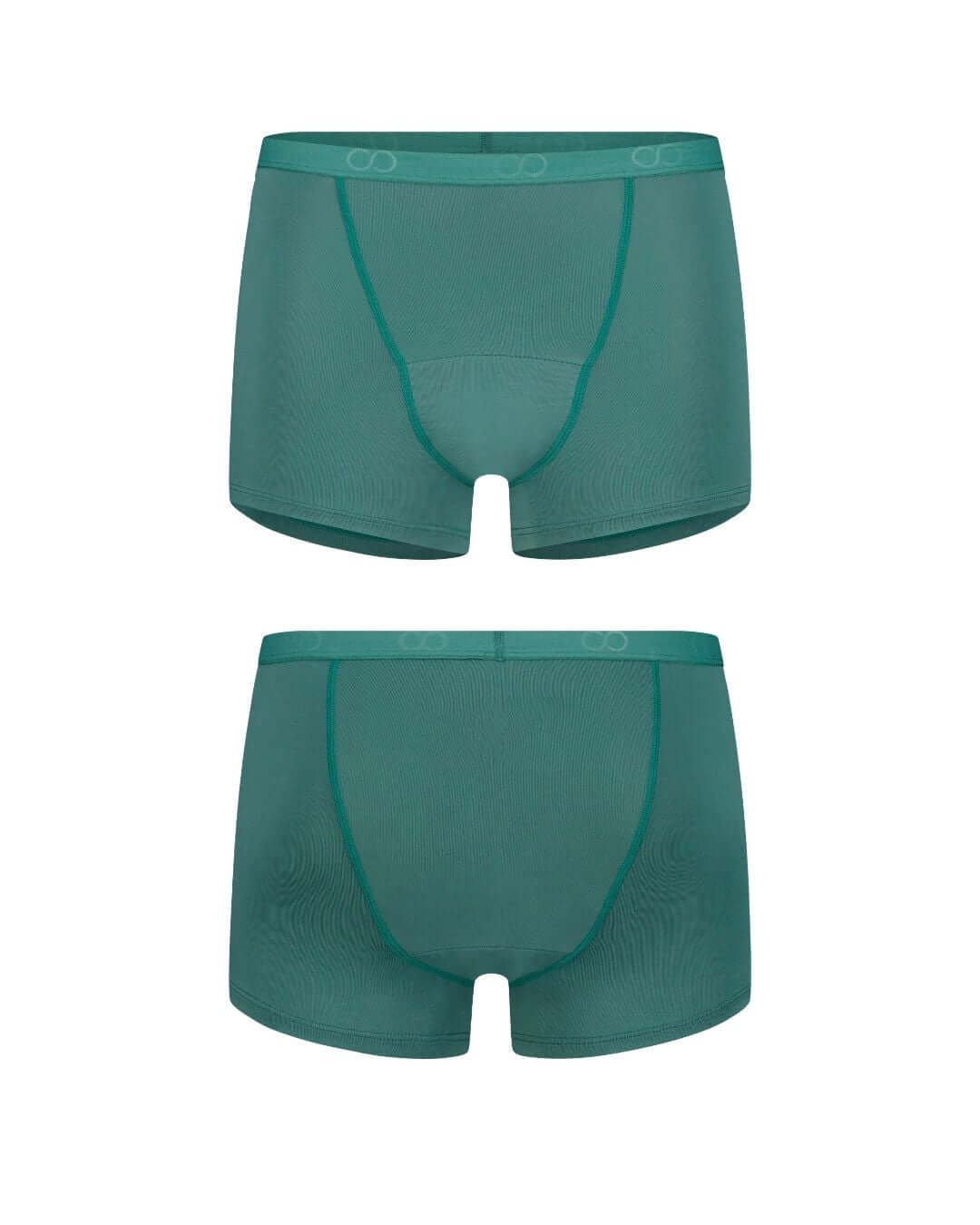
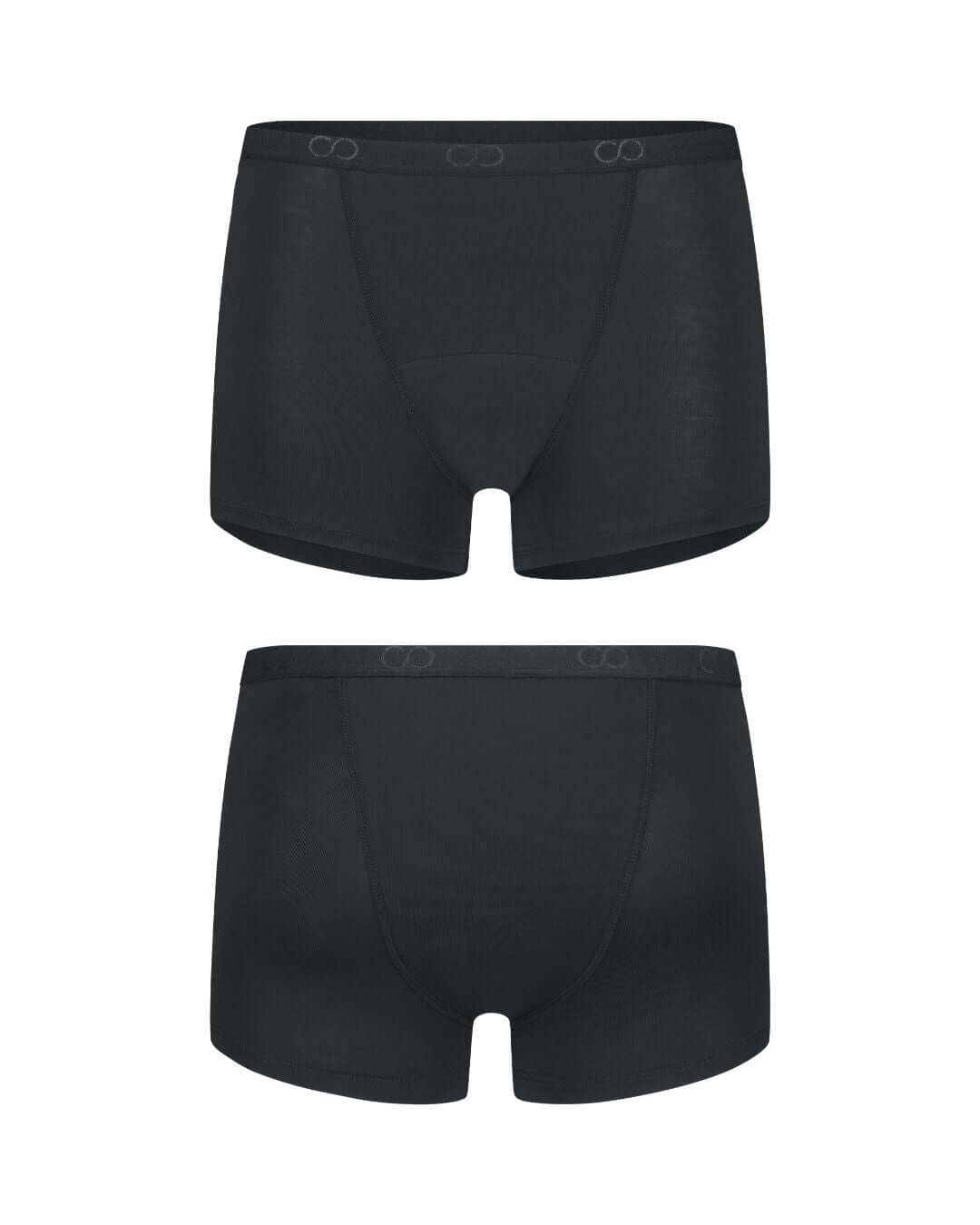
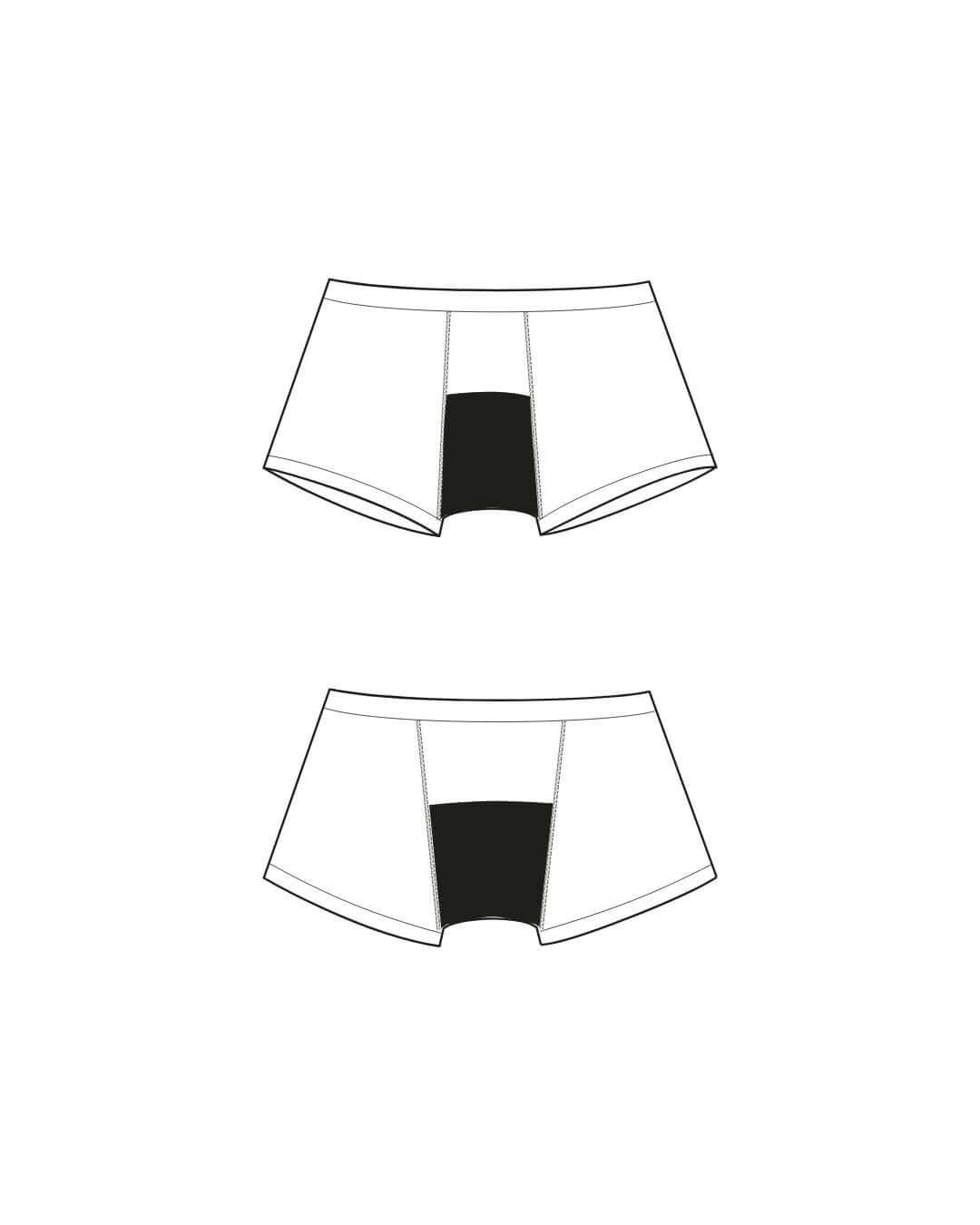
Many women find that period underwear provides extra peace of mind on days with heavy blood loss. It offers a sense of security, without you constantly having to worry about leaks.
Fibroids are usually harmless, but that doesn't mean you should ignore symptoms.
By better understanding what fibroids are and how they can manifest, you can recognize signals earlier and discuss them.
More insight into your body often also brings more peace of mind.
And that's exactly what good information helps with.
Disclaimer: We are not a medical institution and do not wish to appear as such. If you have questions, doubt whether you might have a fibroid, or have other menstrual symptoms, we recommend contacting your GP or gynecologist.