What is a menstrual cycle and how long does it last?
Your menstrual cycle is more than just the days you have your period. It's a natural and complex process in which your body prepares for a possible pregnancy. This cycle begins on the first day of your period and ends the day before your next period. The average cycle length is about 28 days, but anything between 21 and 35 days is considered normal. Factors like stress, diet, physical activity, and hormones can affect the length and regularity of your cycle, meaning it can vary from month to month.
How much blood do you lose during your period?
A frequently asked question is how much blood you lose on average during your period. This is usually between 30 and 80 milliliters per period, comparable to 4 to 12 teaspoons. The amount of blood loss varies from woman to woman and can also vary between menstrual cycles. If you notice significantly more or less blood loss, or if your period is accompanied by extreme pain or discomfort, it's wise to discuss this with your doctor.

What does an irregular cycle mean and what does discharge say about your fertility?
An irregular cycle means the time between your periods varies significantly. This can be caused by stress, hormonal changes, sudden weight gain, or medical conditions like PCOS or thyroid problems. Another important indicator of your menstrual cycle is vaginal discharge. This changes throughout your cycle and can help you determine when you're fertile. Immediately after your period, you often have little to no discharge, while in the days around ovulation, you experience a clearer, slippery, and more elastic discharge. This discharge is called cervical mucus and helps sperm enter the uterus more easily.
When are you fertile during your cycle?
Recognizing your fertile days is essential, especially if you're trying to conceive or avoid pregnancy. You're usually fertile around the middle of your cycle, about 14 days before your next period. With a 28-day cycle, ovulation occurs around day 14. This means your fertile window is roughly between day 9 and day 15 of your cycle. It's important to remember that sperm can survive for several days in the female body, meaning you're fertile for several days before you actually ovulate.
Comfortable and leak-proof menstrual underwear
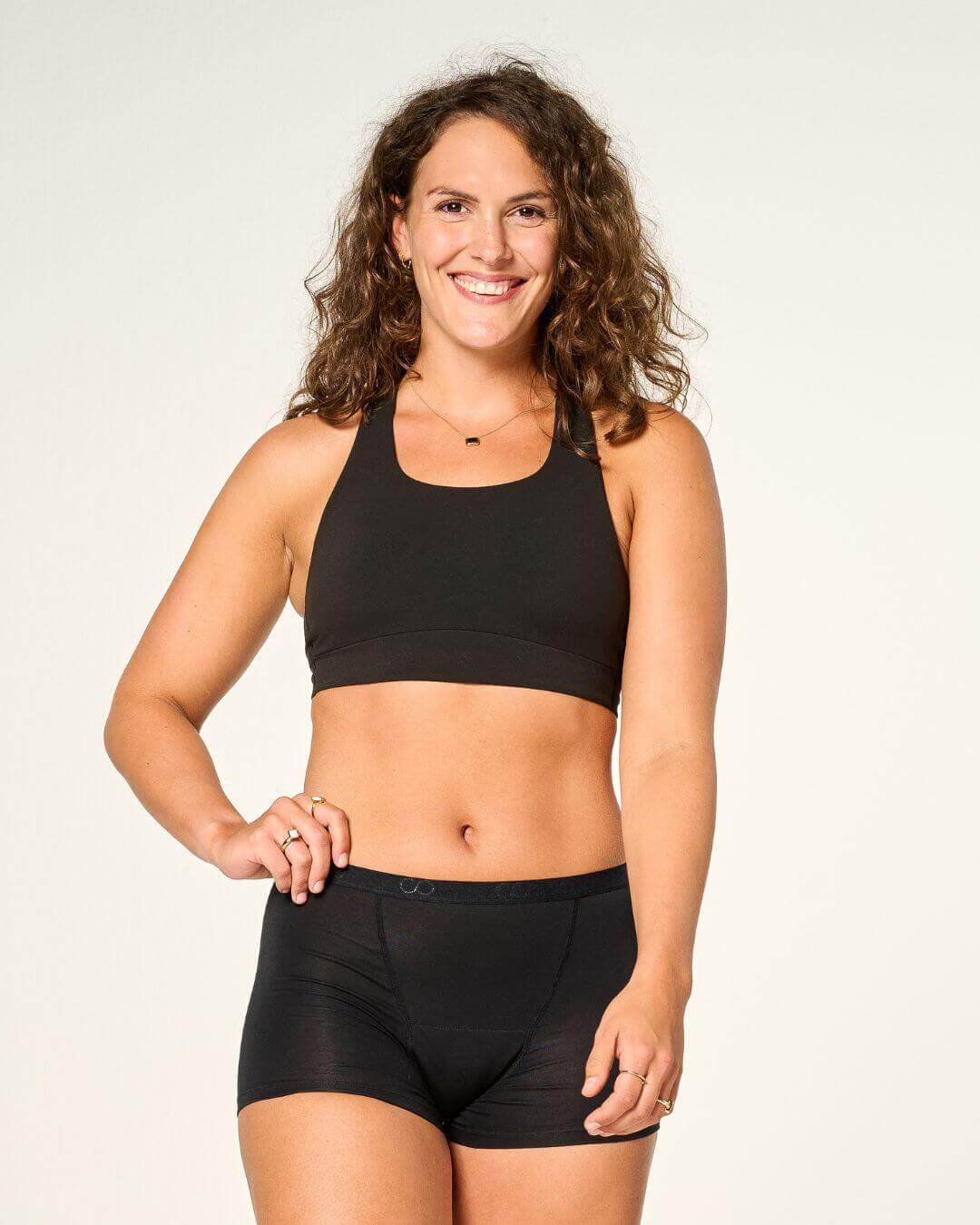
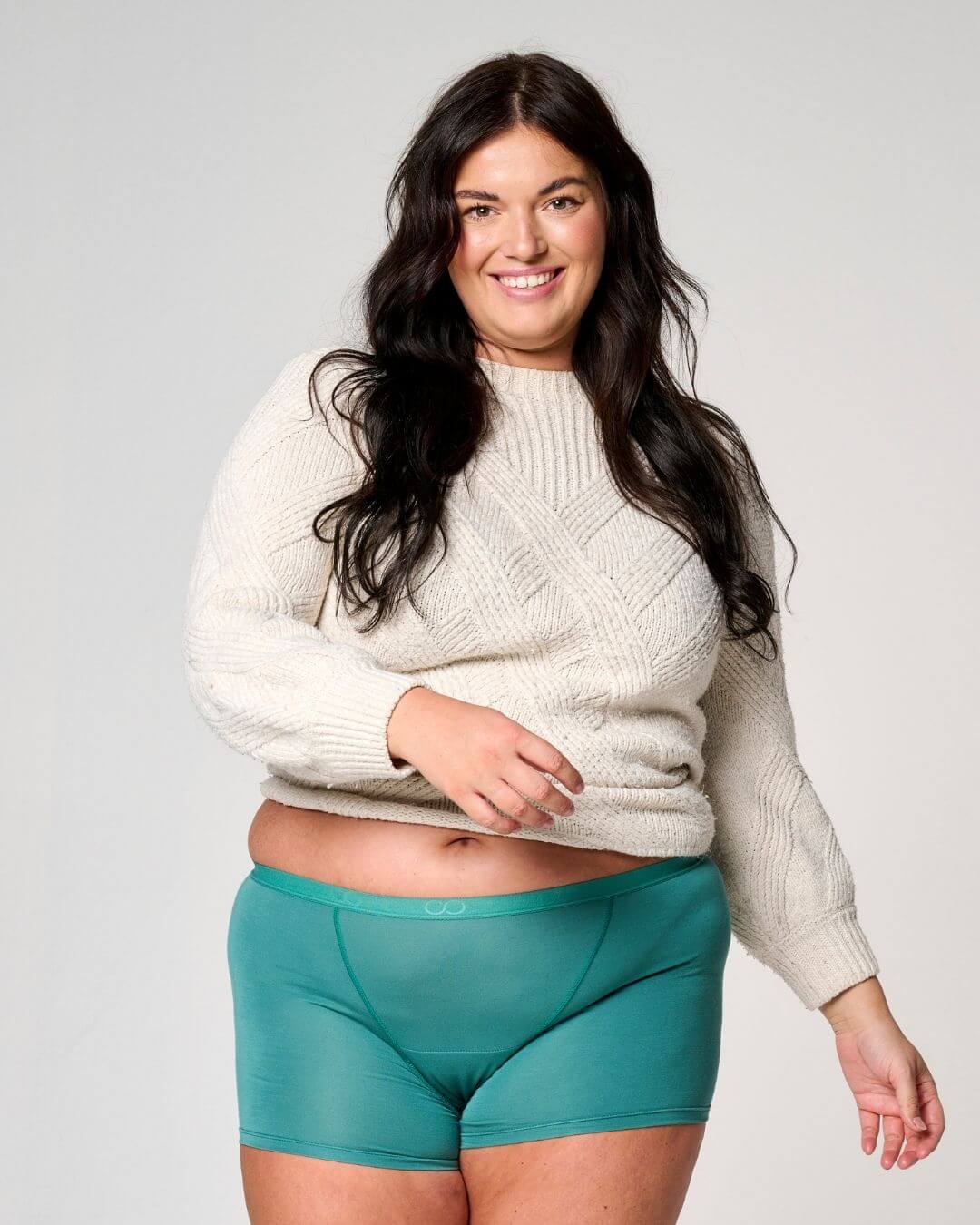
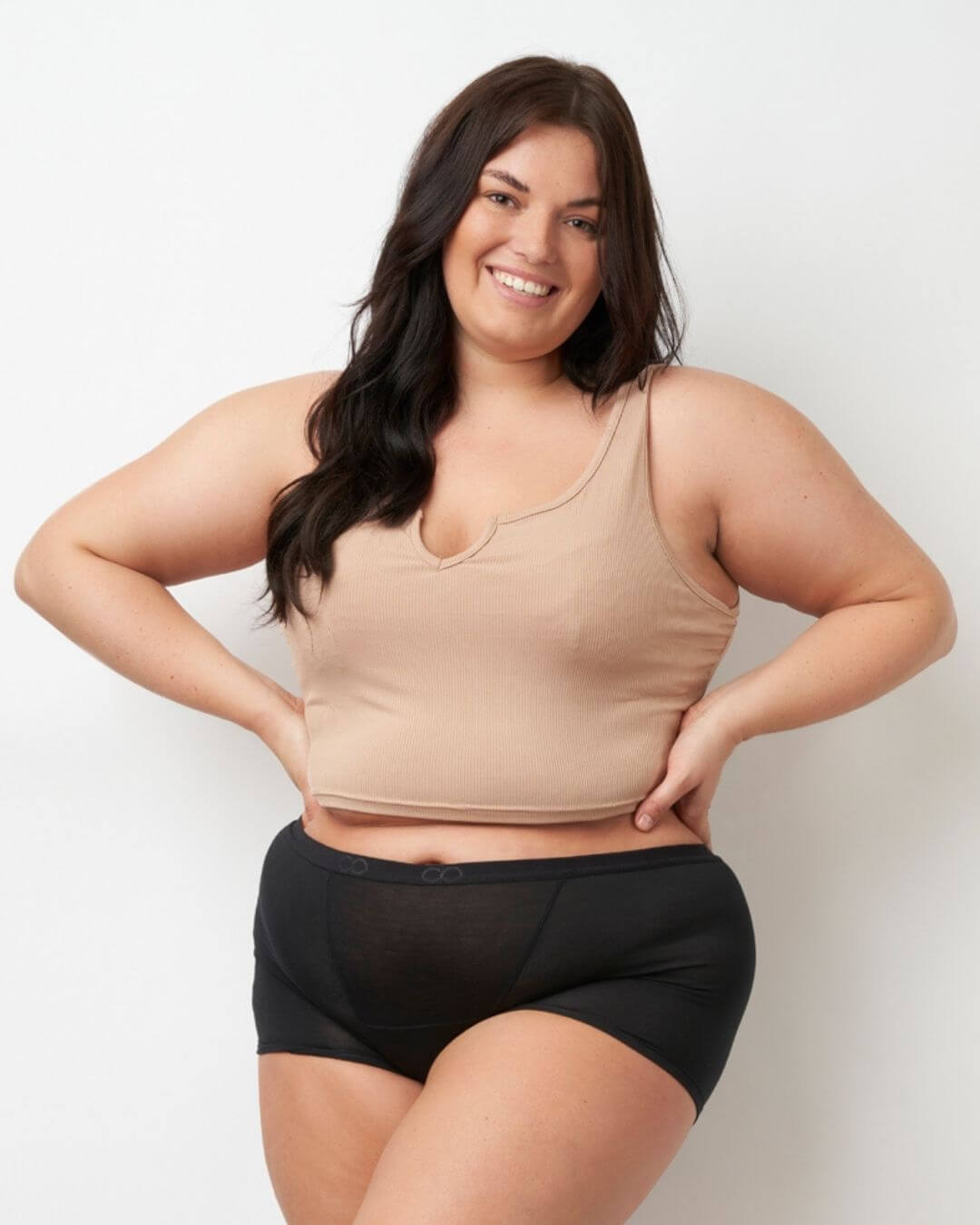
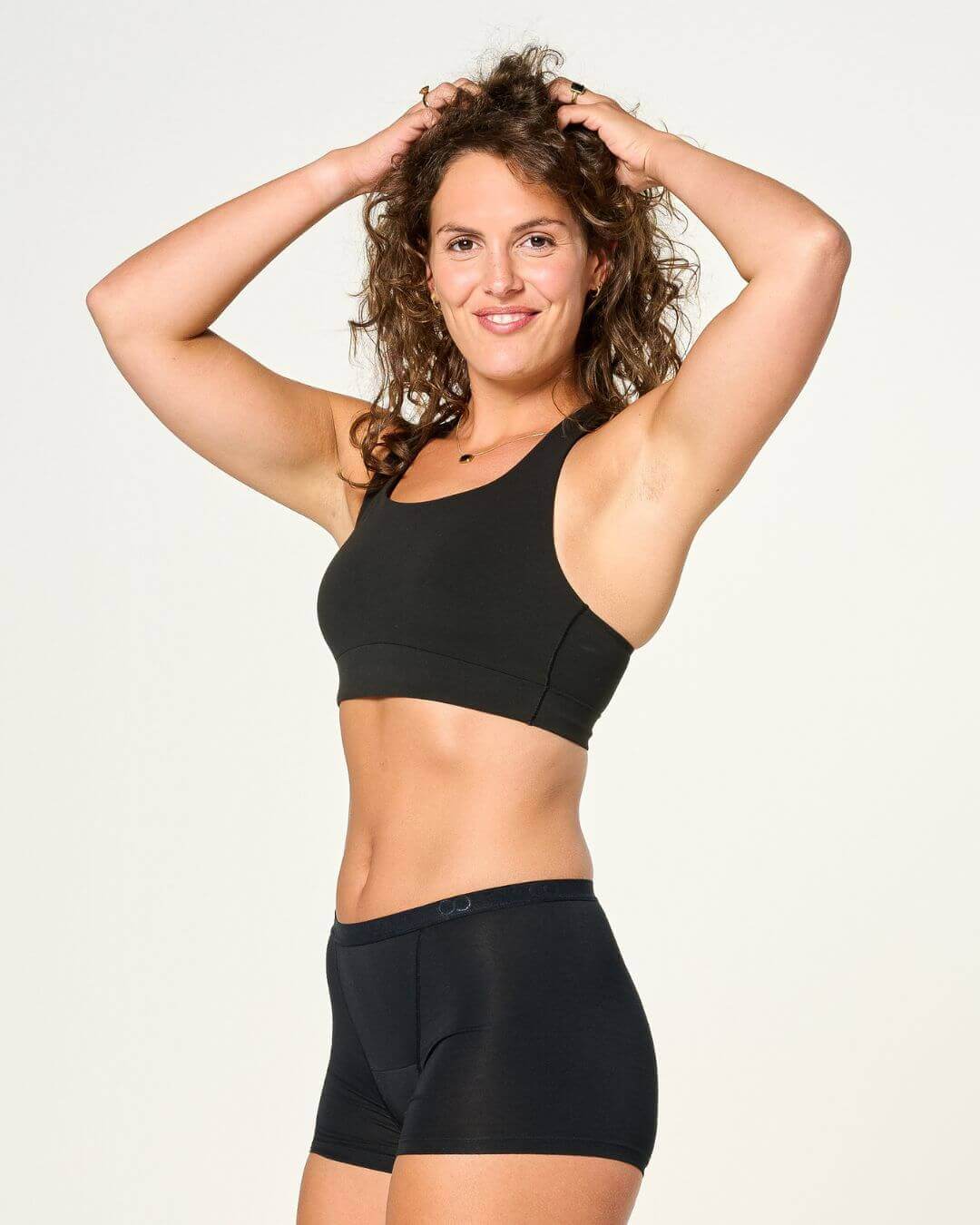
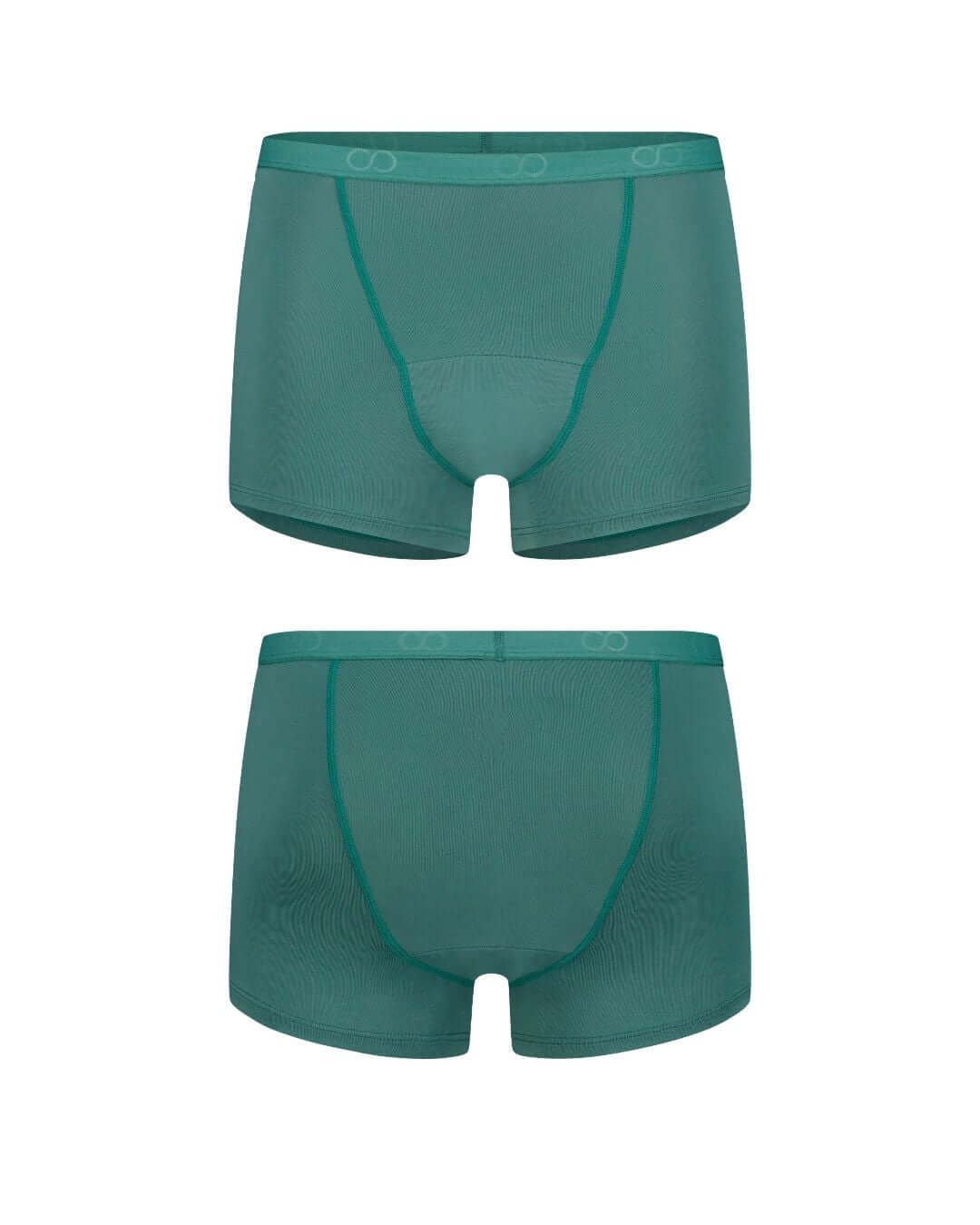
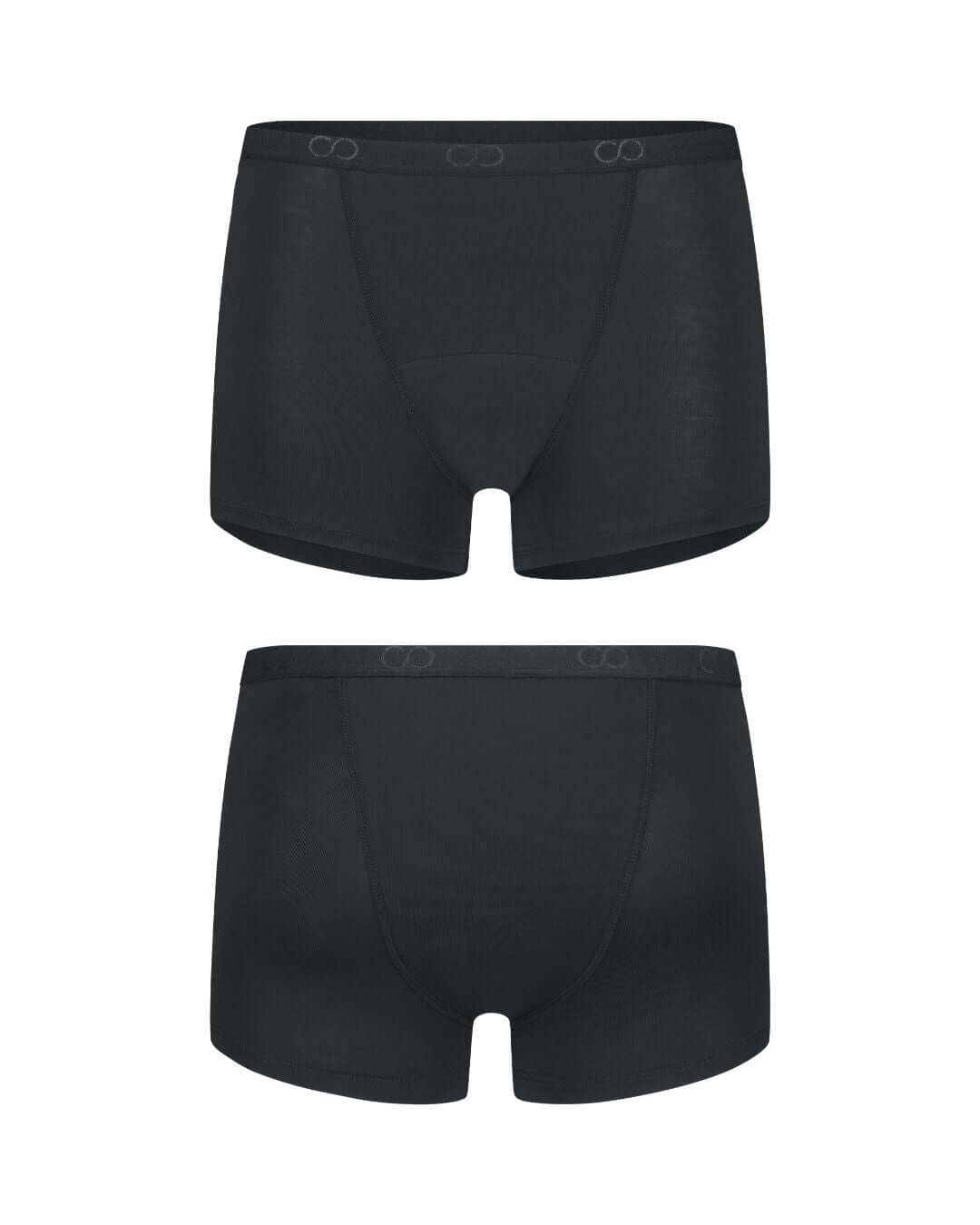
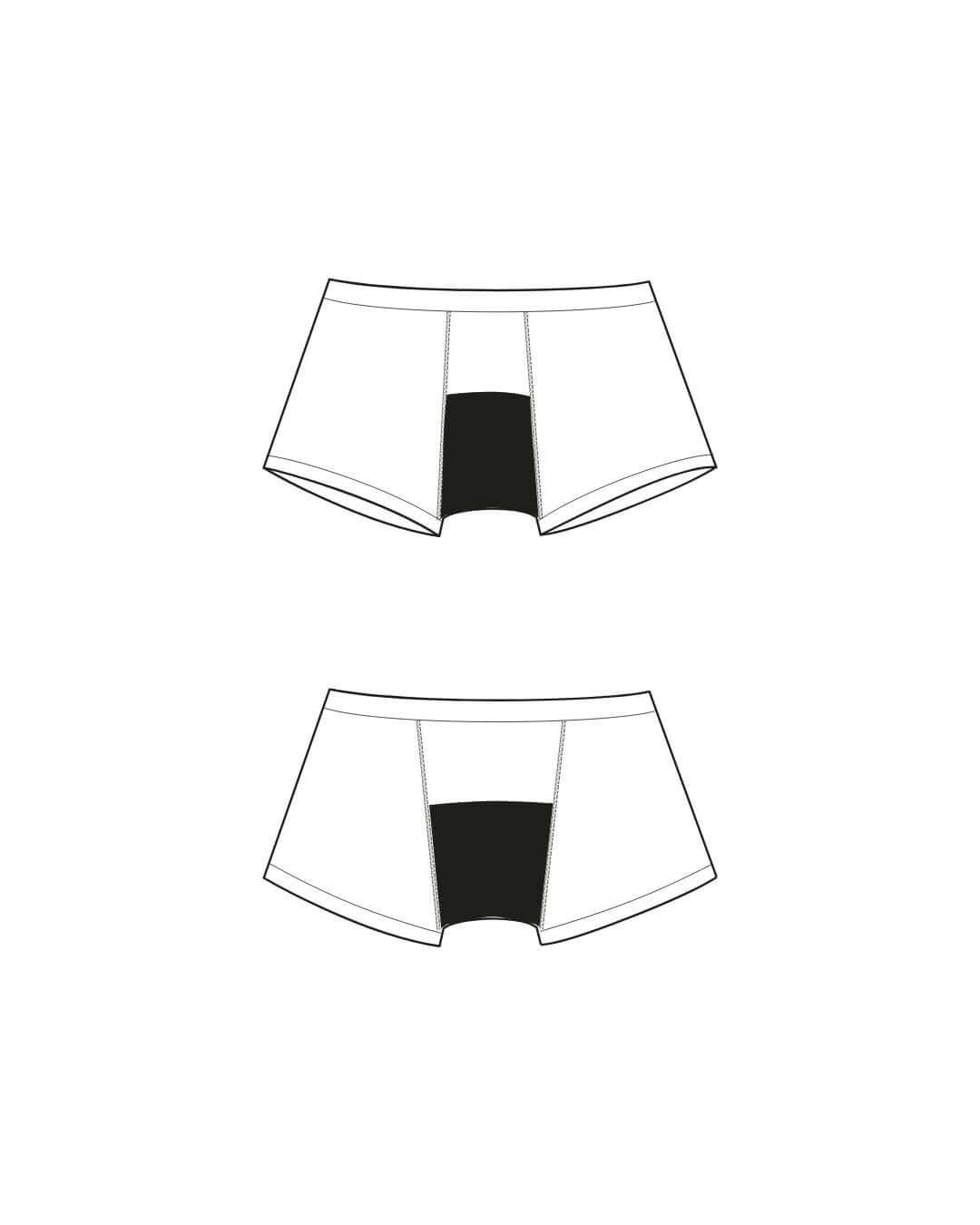
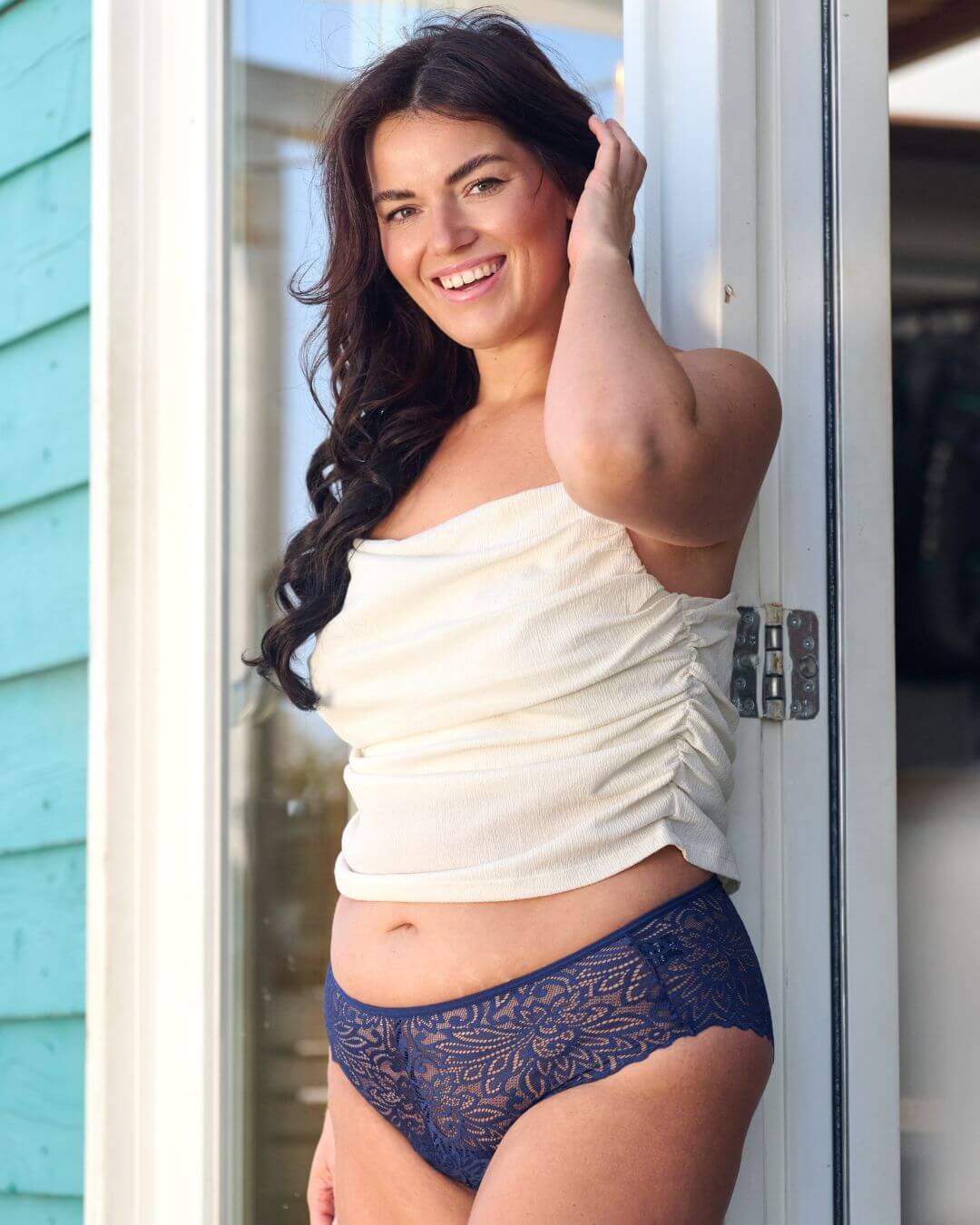
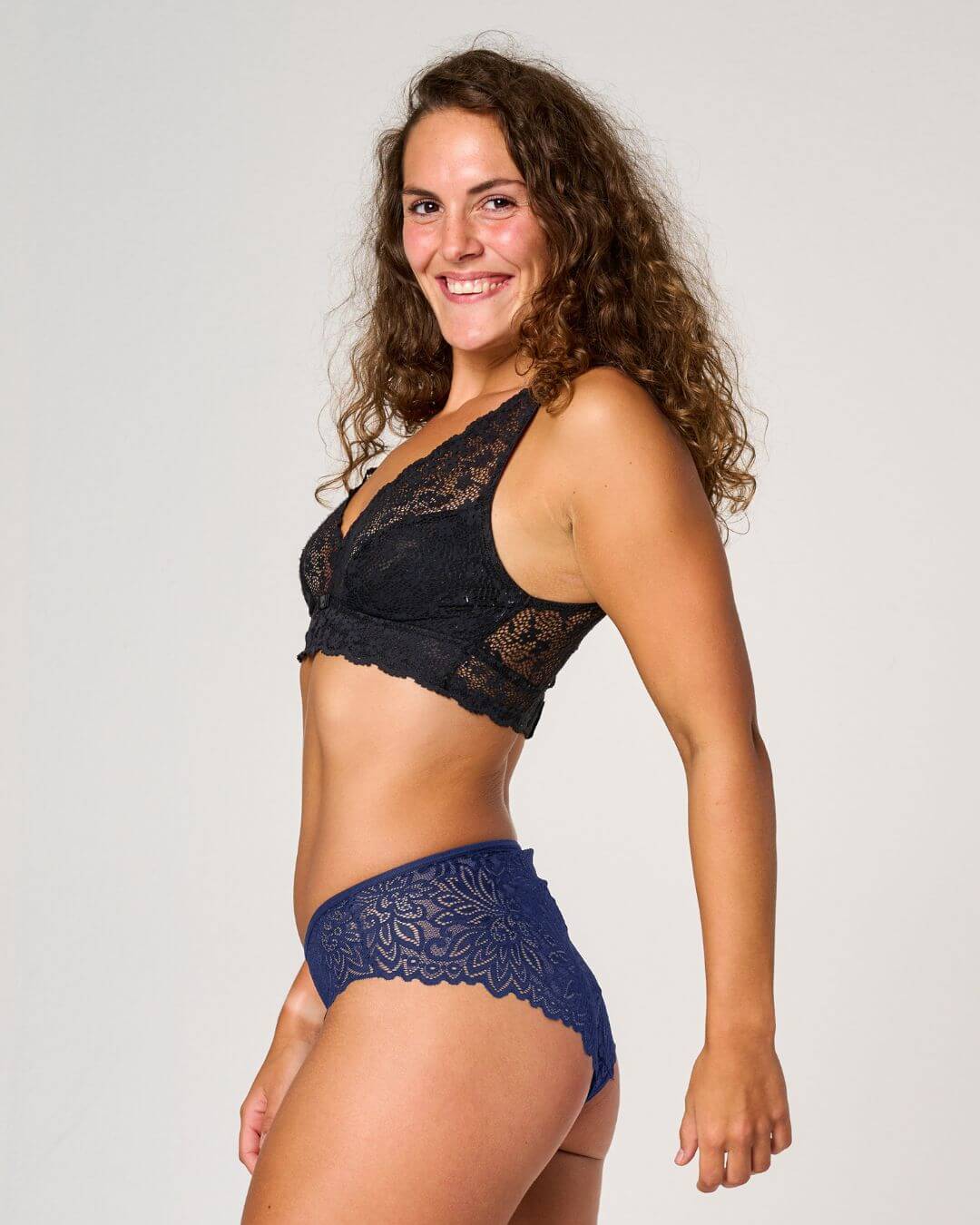
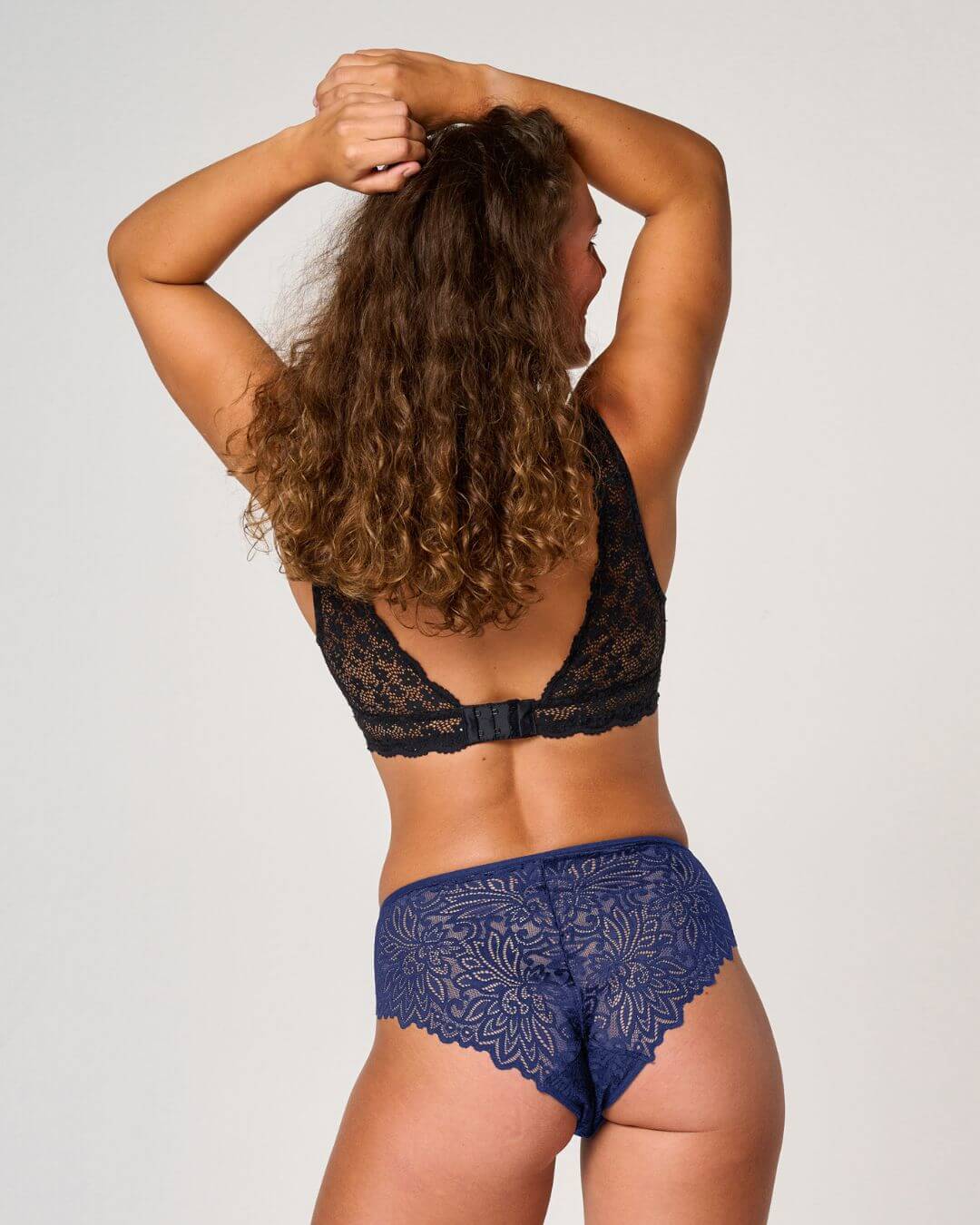
To help you comfortably and confidently navigate your period, we offer period underwear that's leak-proof, stylish, and comfortable. Whether you choose hipster lace or boyshorts , you'll always find a reliable and comfortable solution that will help you feel free and confident during your period.

Listen to your body and take good care of yourself
By understanding your menstrual cycle, you can better understand what your body is telling you and how to best support your health. If you have any doubts or experience any abnormalities, it's advisable to consult a medical professional. Choose Moodies menstrual underwear to experience every day of your cycle with peace of mind and comfort.