What is urinary incontinence?
Leaking a little urine while laughing, coughing, or exercising: it happens to more women than you think. Yet, we rarely talk about it. Mild incontinence is very common – about one in three women will experience it in their lifetime.
This can happen after childbirth, during menopause, or simply due to a busy life that weakens your pelvic floor muscles. The good news: there's a lot you can do to feel free and confident again.
1. Recognize the signs of mild incontinence
Not all urine loss is the same. It's usually stress incontinence —a few drops during exertion, sneezing, or laughing. Sometimes it's urge incontinence , where you suddenly have to urinate and can't always manage it in time.
By properly recognising what is happening, you can take targeted action with the right approach or the right incontinence underwear .
2. How to train your pelvic floor
A strong pelvic floor is essential for a well-functioning bladder. Pelvic floor exercises can really make a difference, although you'll only notice the effect after a few weeks.
You can do them almost anywhere – in the car, at the office, or while cooking. Not sure if you're doing it right? Consult a pelvic floor physiotherapist who specializes in this area.
Tip: read more about exercises on Pelvicfloor4all.nl .
3. Choose comfort and security

Many women use sanitary pads for urine loss, but this is not always the most comfortable option.
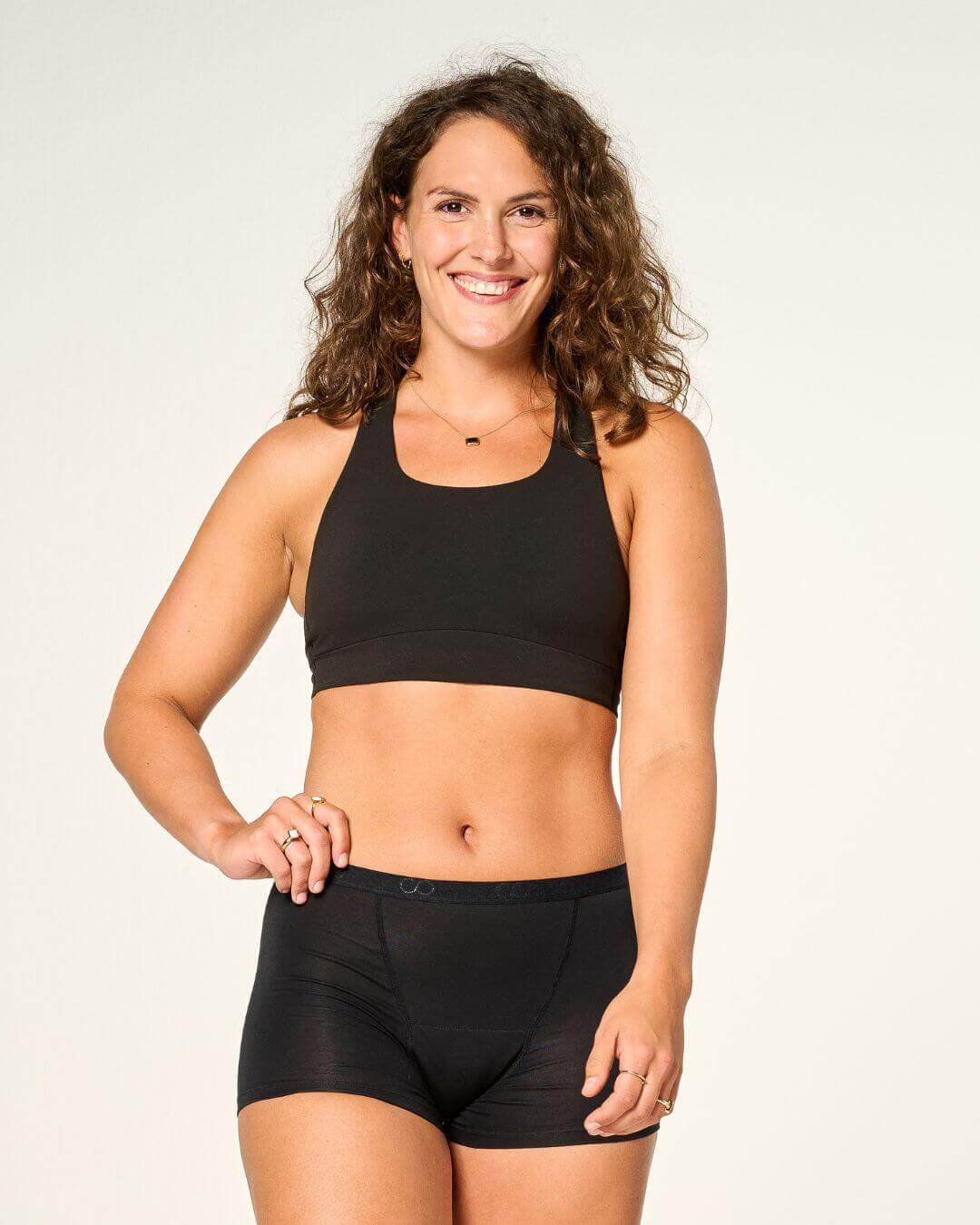
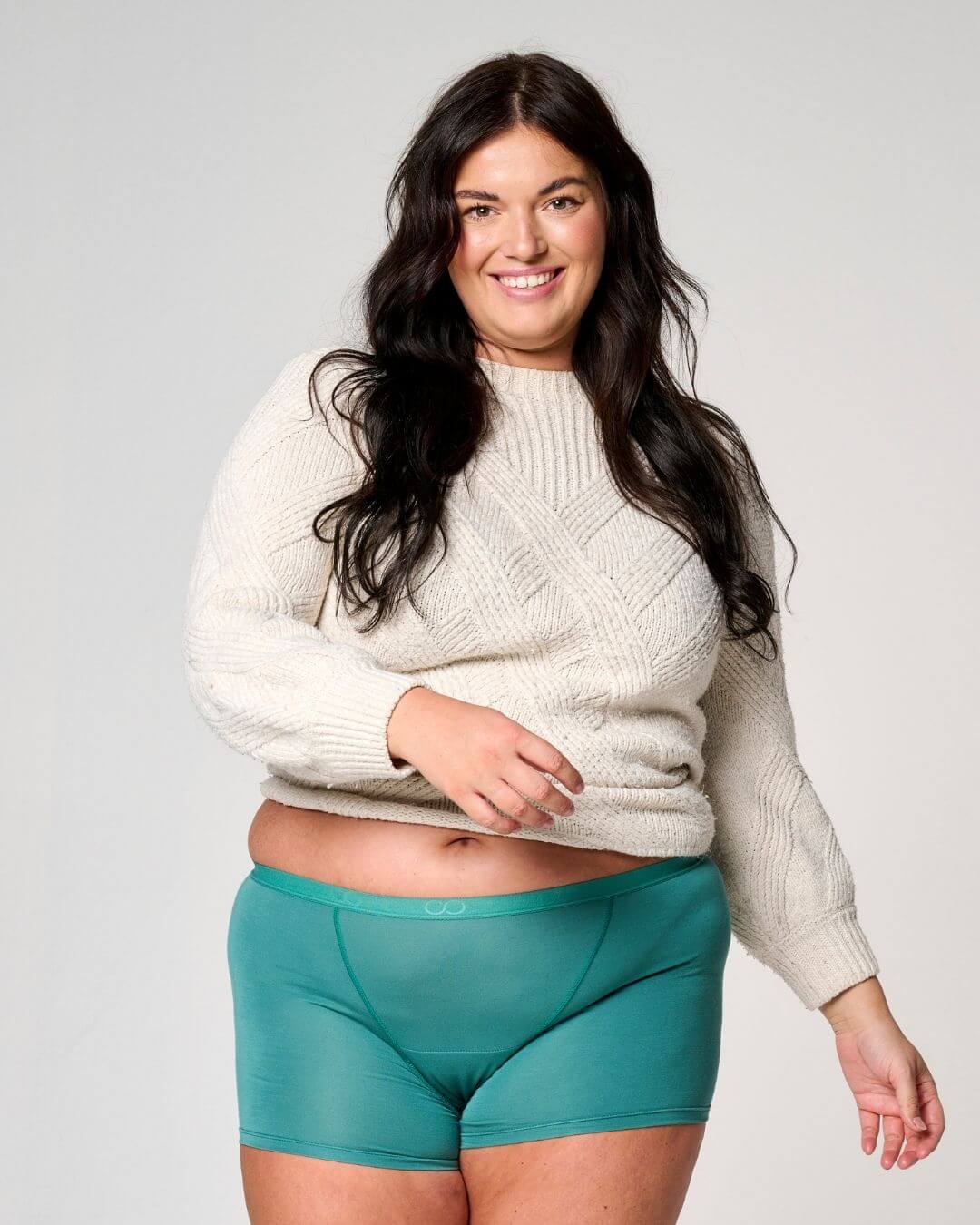
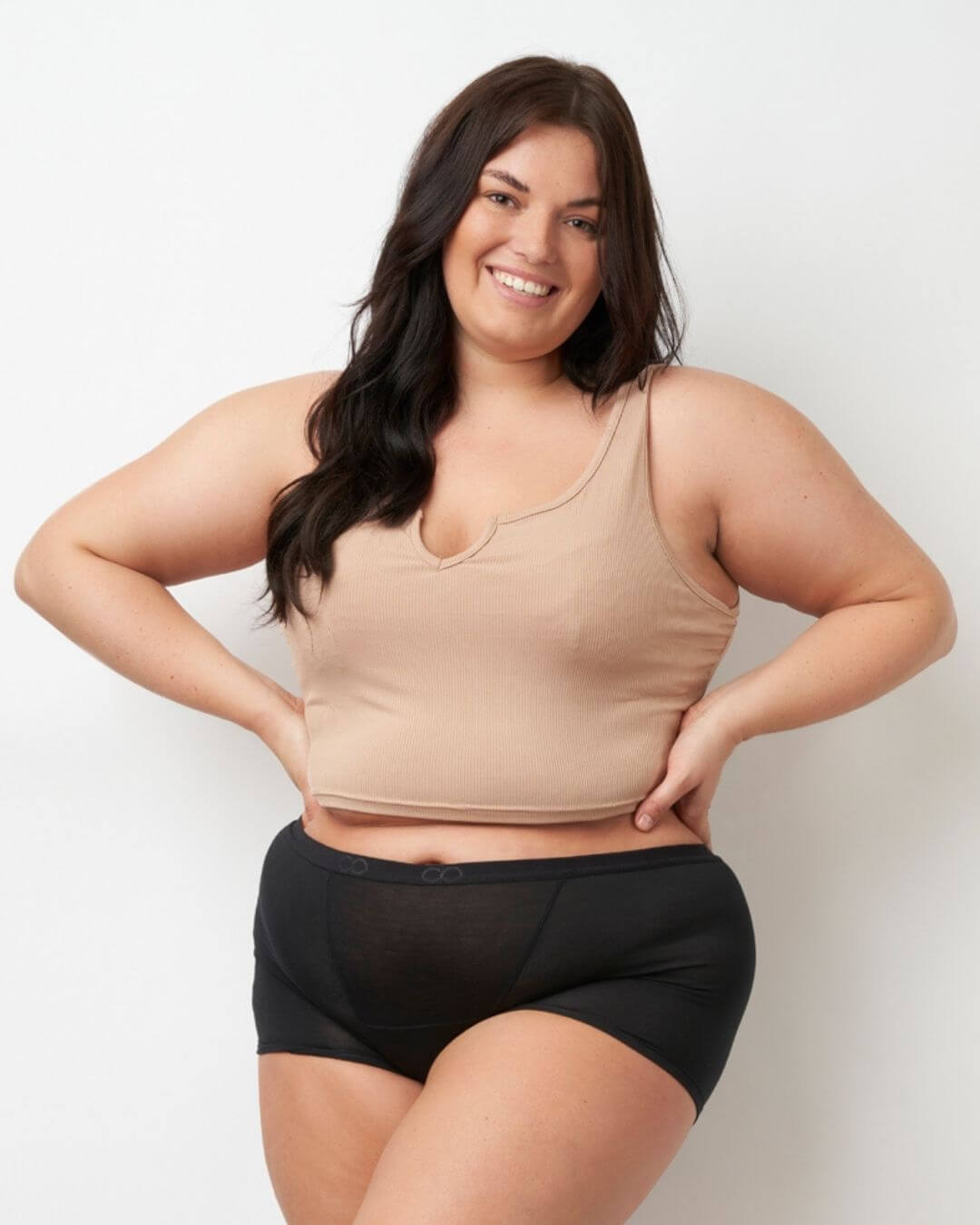
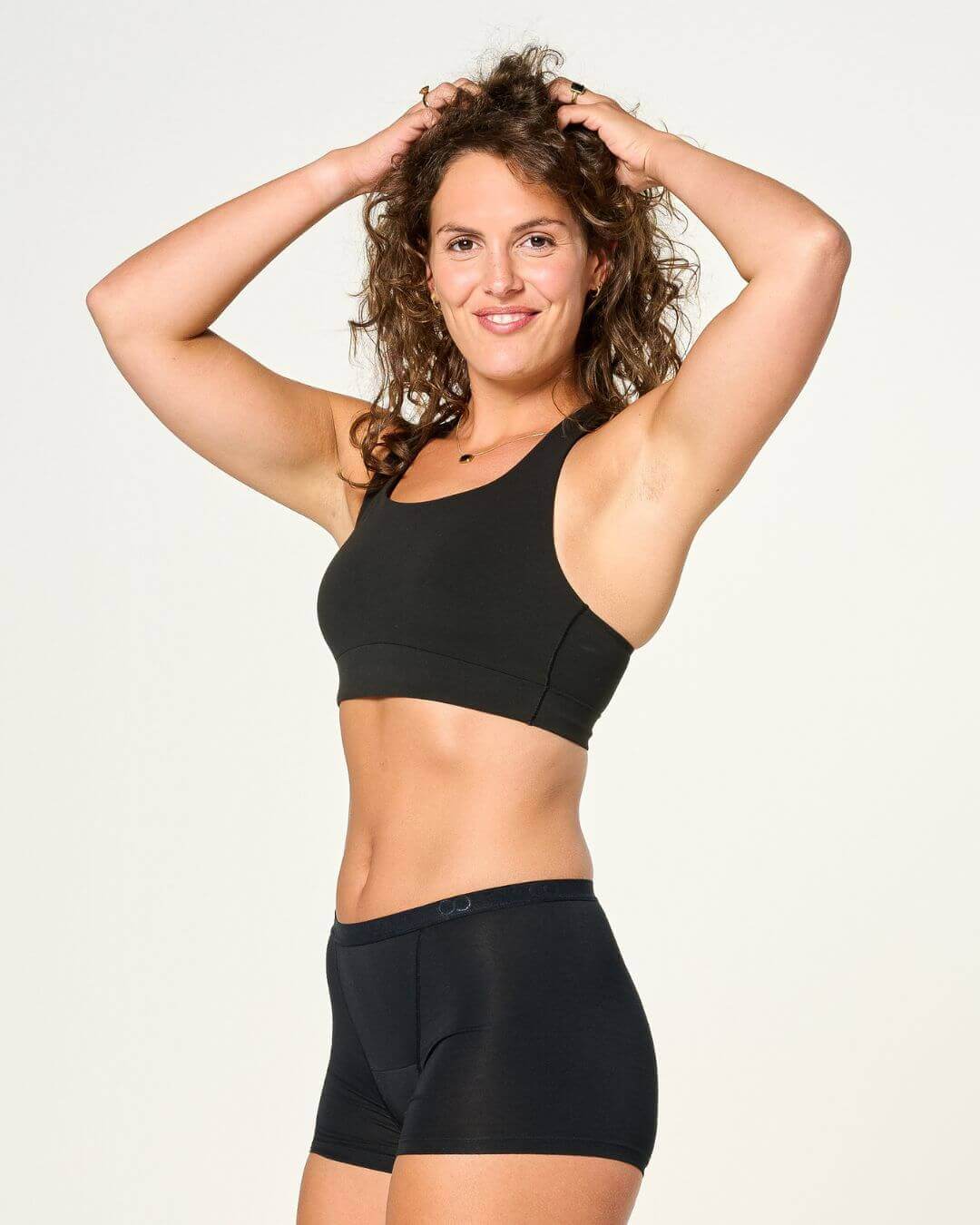
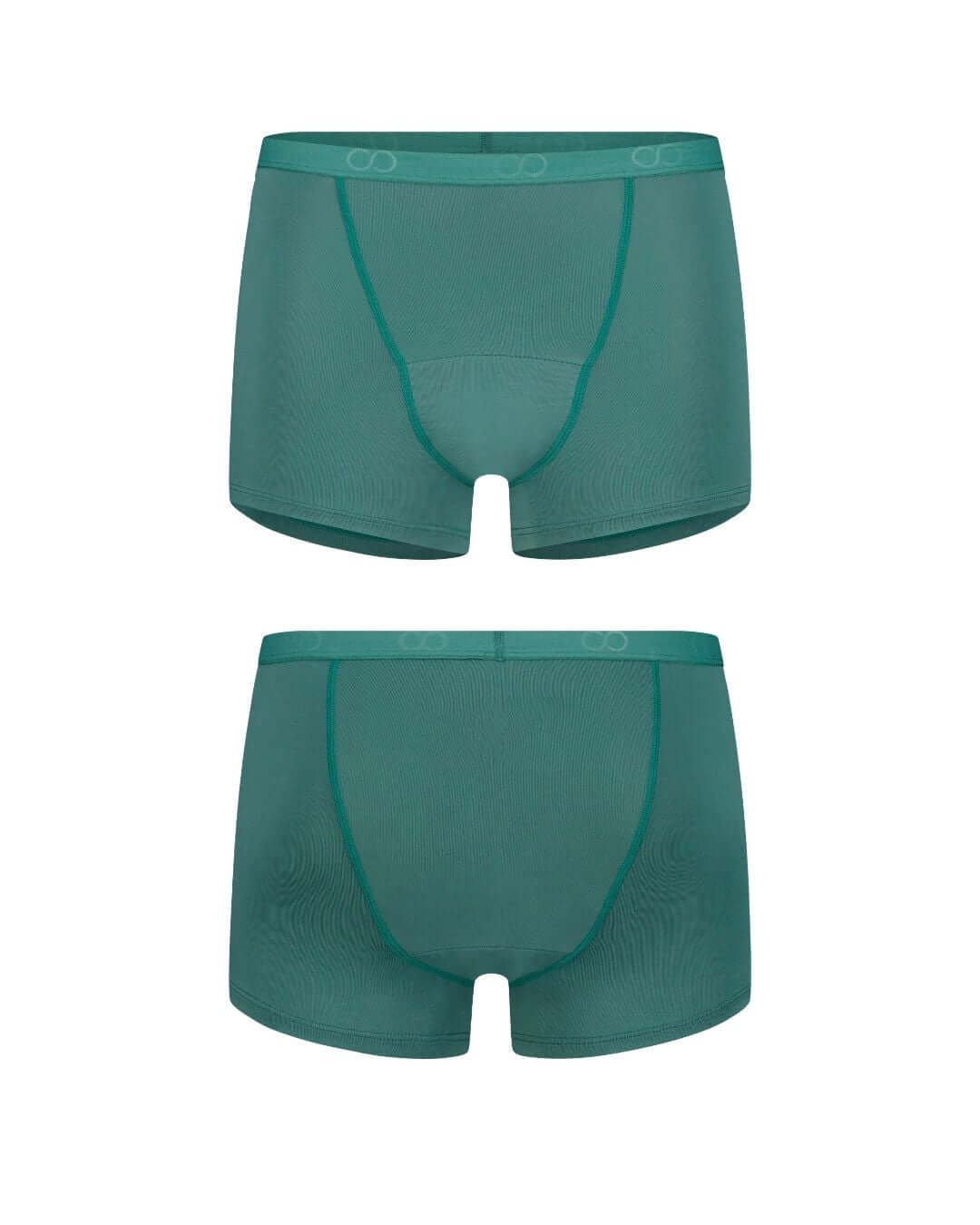
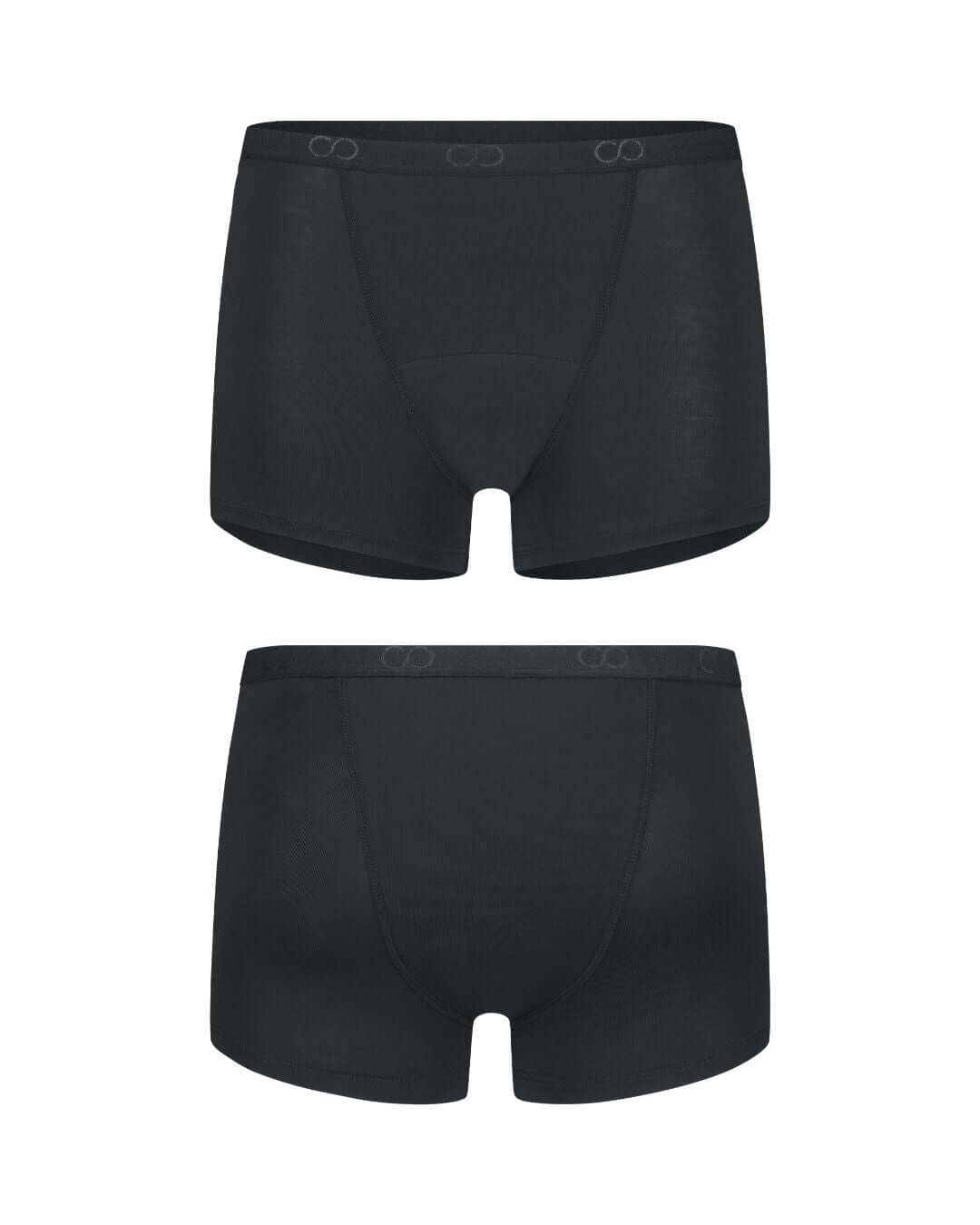
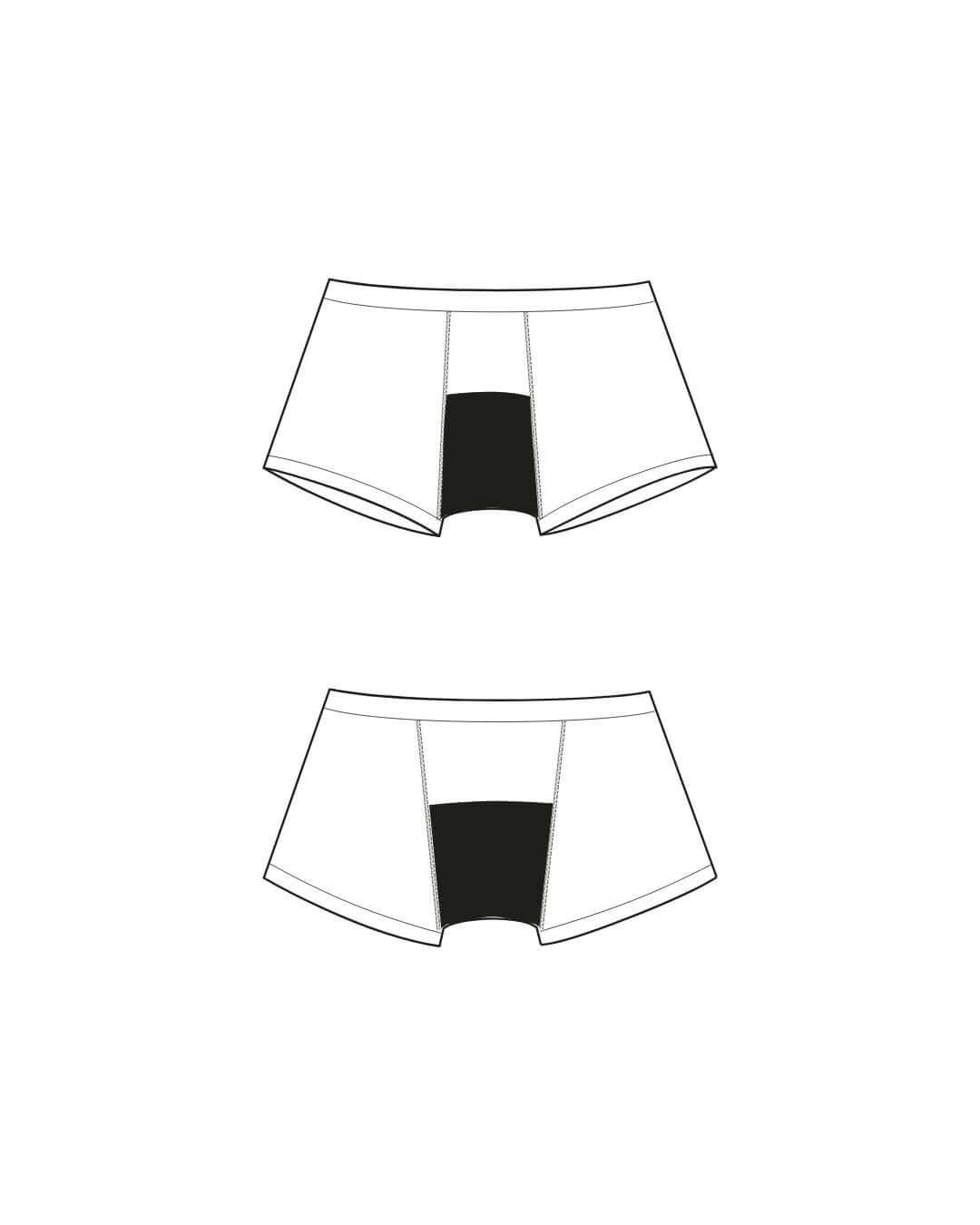
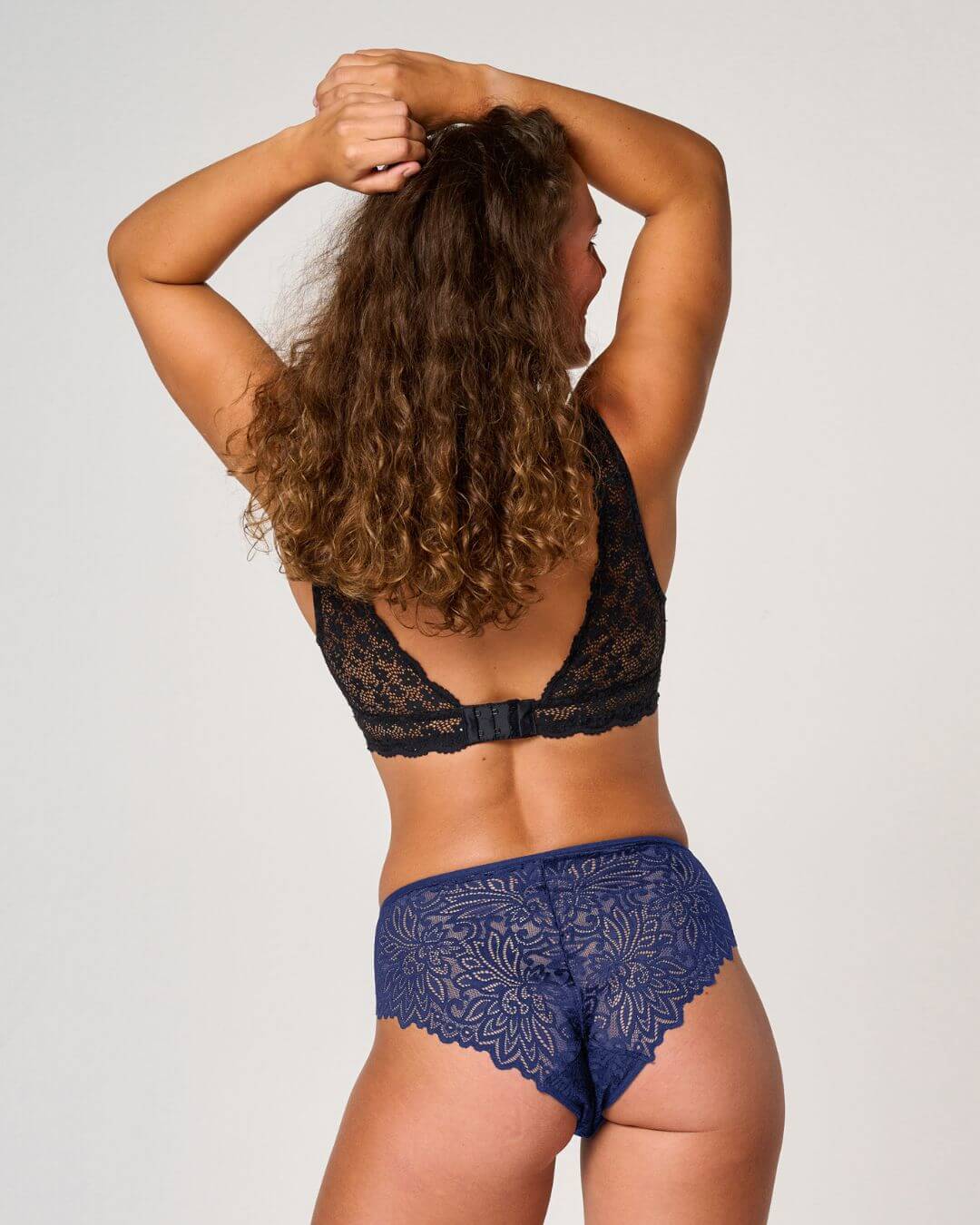
Moodies leak-proof underwear is specially designed to absorb moisture while feeling dry and fresh.
It looks like regular underwear, but it contains an absorbent layer that counteracts odors and prevents leakage.
4. Keep moving and relax
Exercise is actually good for your bladder and muscles. Walking, yoga, and swimming keep your pelvic floor supple.
Avoid putting excessive pressure on your abdomen, such as when lifting heavy objects, and remember to relax. Stress can worsen incontinence, so take time to rest and practice breathing exercises.
5. Adjust small habits
Small changes can make a big difference:
- Drink enough water – drinking too little will actually irritate your bladder.
- Limit caffeine and alcohol.
-
Go to the toilet regularly and do not hold your urine for too long.
This is how you support healthy bladder function.
6. There is no need for shame
Urinary incontinence says nothing about who you are or how fit you are. It's a physical issue that many women experience.
By talking about it openly, you break the taboo – just like with menstruation or menopause.
With the right incontinence underwear you will feel confident, dry and comfortable every day.