Many women recognize it: your mother saying "I had exactly the same" when it comes to menstruation. And to be fair, there's often more truth to it than you might think.
Your menstruation is largely influenced by your genes. This means that certain characteristics of your cycle, such as when you first get your period or how much discomfort you experience, are partly hereditary.
But (and this is important): heredity is not the whole story. Your body is not a copy of your mother's. In this blog, we'll explain what you do and don't inherit and when it's wise to look further.
 What do you inherit from your mother?
- The age of your first period. There's a good chance you'll get your first period around the same age as your mother. This is one of the clearest hereditary patterns within the menstrual cycle.
- Your menstrual pattern. The length of your cycle, how long your period lasts, and its regularity can also be similar to your mother's.
- Severity of blood loss. Do you have a mother who always had heavy periods? Then you're more likely to experience the same. Heavy menstrual bleeding (also known as HMB) is more common within families.
- Menstrual pain (dysmenorrhea). Painful periods often "run in the family." Research shows that your chance of menstrual pain can be up to three times higher if a direct family member also suffers from it.
When does heredity play a larger role?
Sometimes there's more to it than just "a heavy period." Certain conditions that affect your cycle have a hereditary component.
For example:
- Von Willebrand disease (a bleeding disorder that can cause heavy blood loss)
- Fibroids (benign tumors in the uterus)
- Endometriosis or adenomyosis
- PCOS
If you have family members with these types of complaints, your body may be more susceptible to them.
But: your genes don't determine everything
Although your genetic predisposition plays a big role, there are other factors that influence your menstruation:
- Nutrition and lifestyle
- Stress
- Weight and hormone balance
- Smoking or alcohol consumption
- Environmental factors such as air pollution
So you can have a certain predisposition without actually experiencing symptoms, or vice versa.
"It's just part of it"… or is it not?
Something interesting happens here. Menstrual complaints are not only passed down genetically but also culturally.
If your mother or grandmother always said:
"Oh, that's just part of it"
…then there's a good chance you'll accept complaints as normal more quickly. Even if they aren't.
And that's a shame. Because many menstrual problems are treatable. A period can be considered normal if your cycle is between 21 and 35 days, your period lasts a maximum of 7-8 days, and your blood loss isn't so heavy that you have to change every hour.
But even more importantly: how much discomfort do you experience? Do you have to cancel appointments, stay home from work or school, or sleep poorly due to pain or leaks? Then it's always good to take this seriously.
What can you do yourself?
Besides medical help, there are also practical ways to gain more control over your menstruation:
Keep a menstrual diary, pay attention to patterns in your cycle, choose products that suit your flow, and take good care of your body with enough rest, nutrition, and exercise.
Do you notice that you're losing an extreme amount of blood, experiencing severe pain, seeing sudden changes in your cycle, or suspect there's an underlying cause? Then it's wise to contact your GP. Your period shouldn't limit your life.
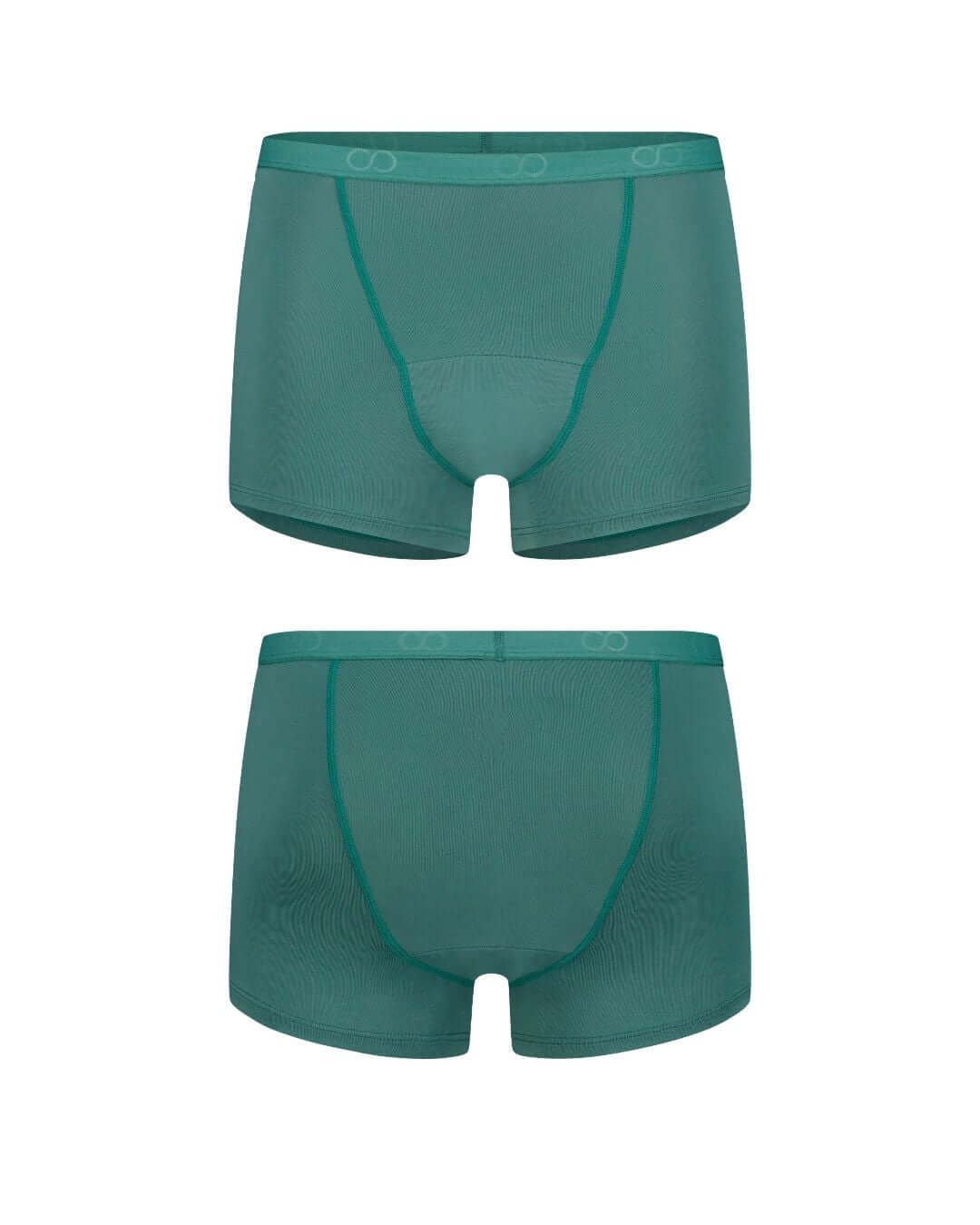
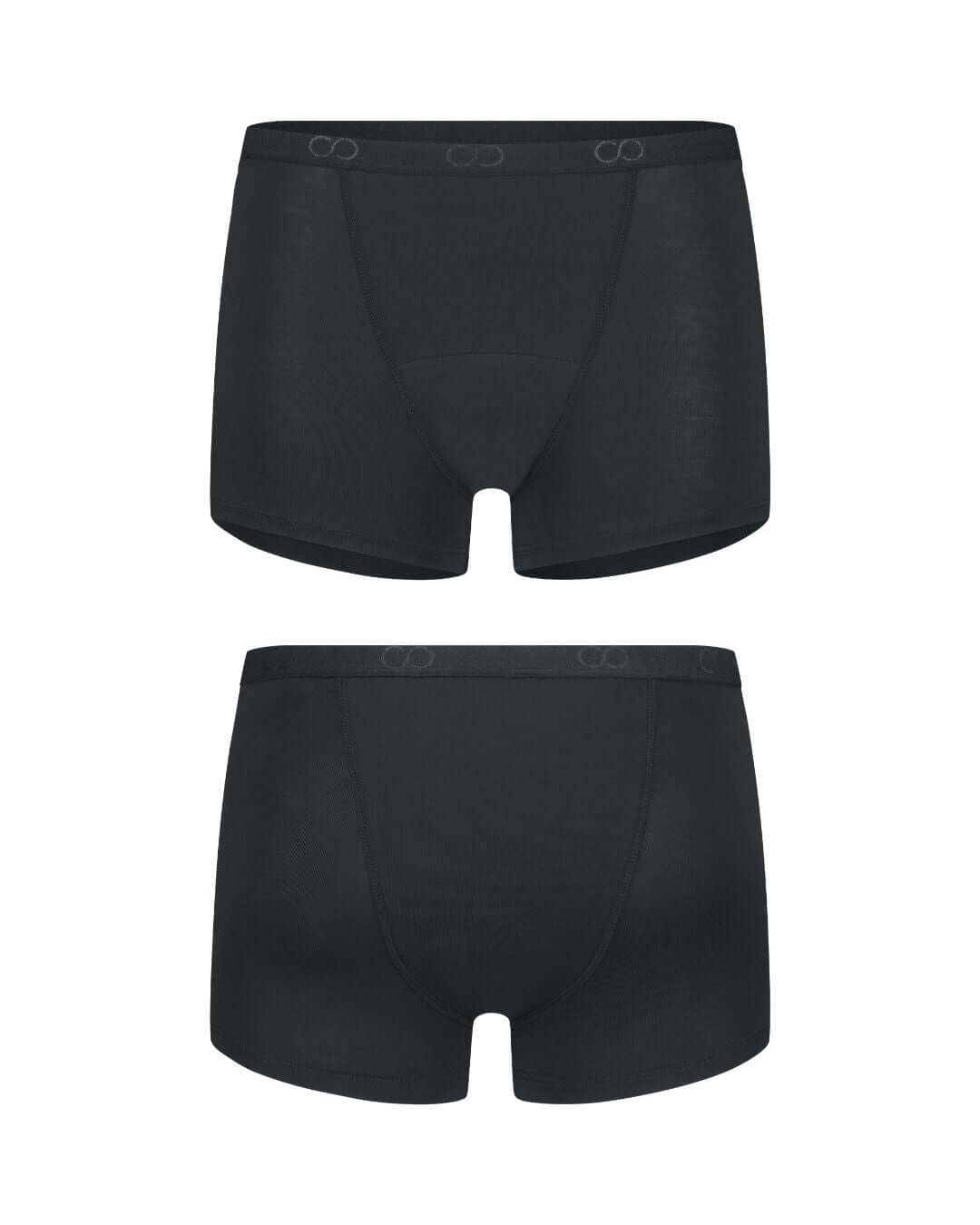
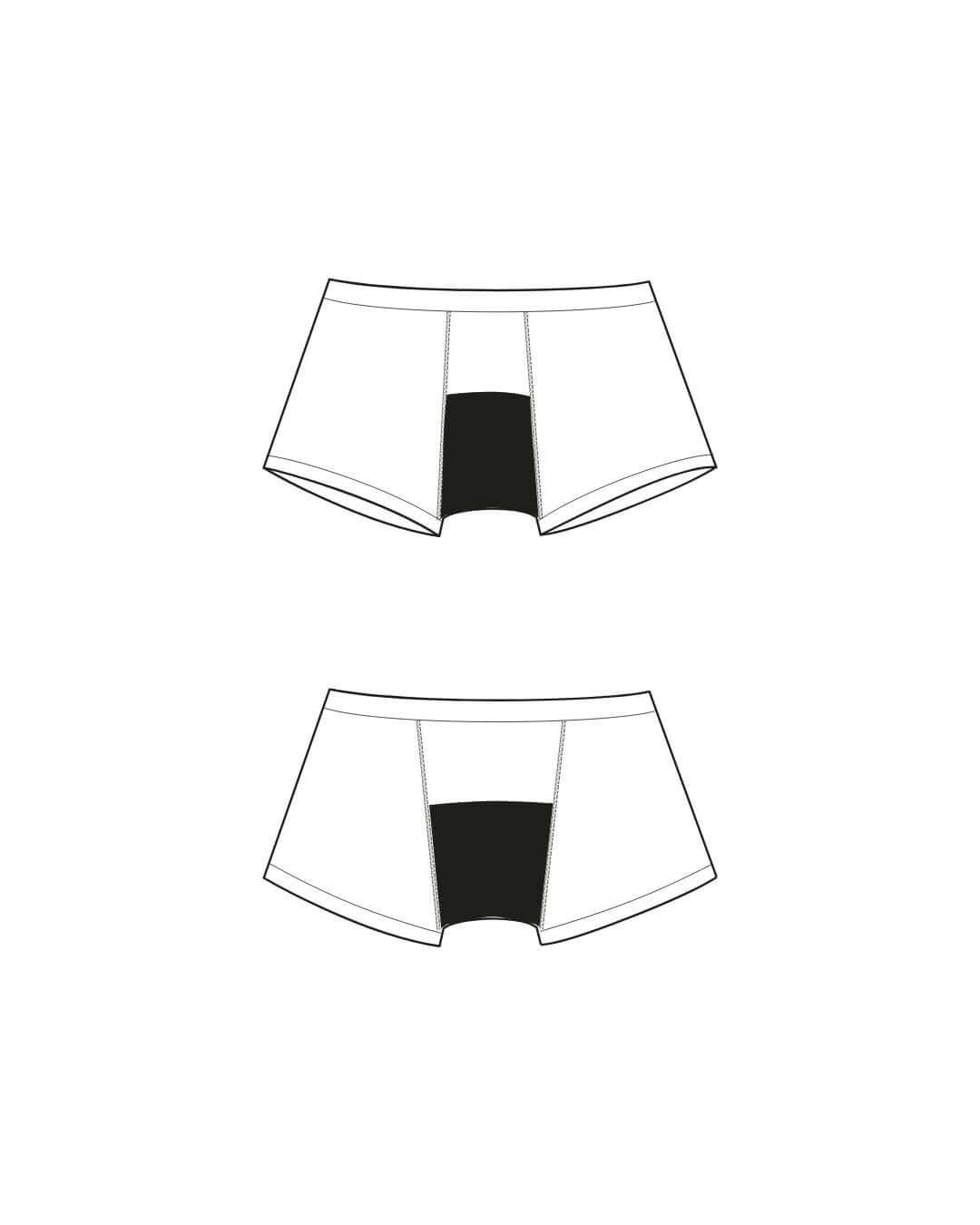
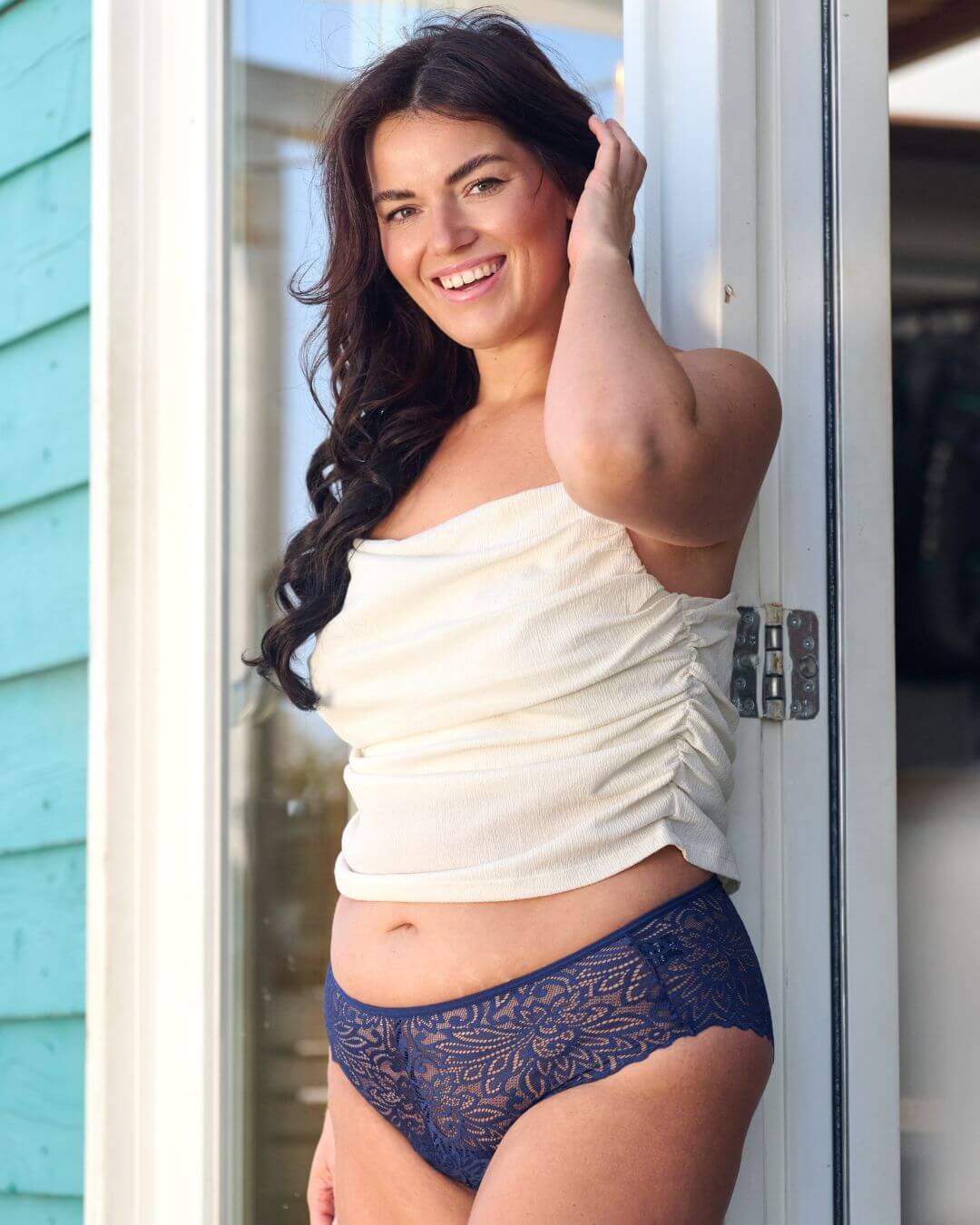
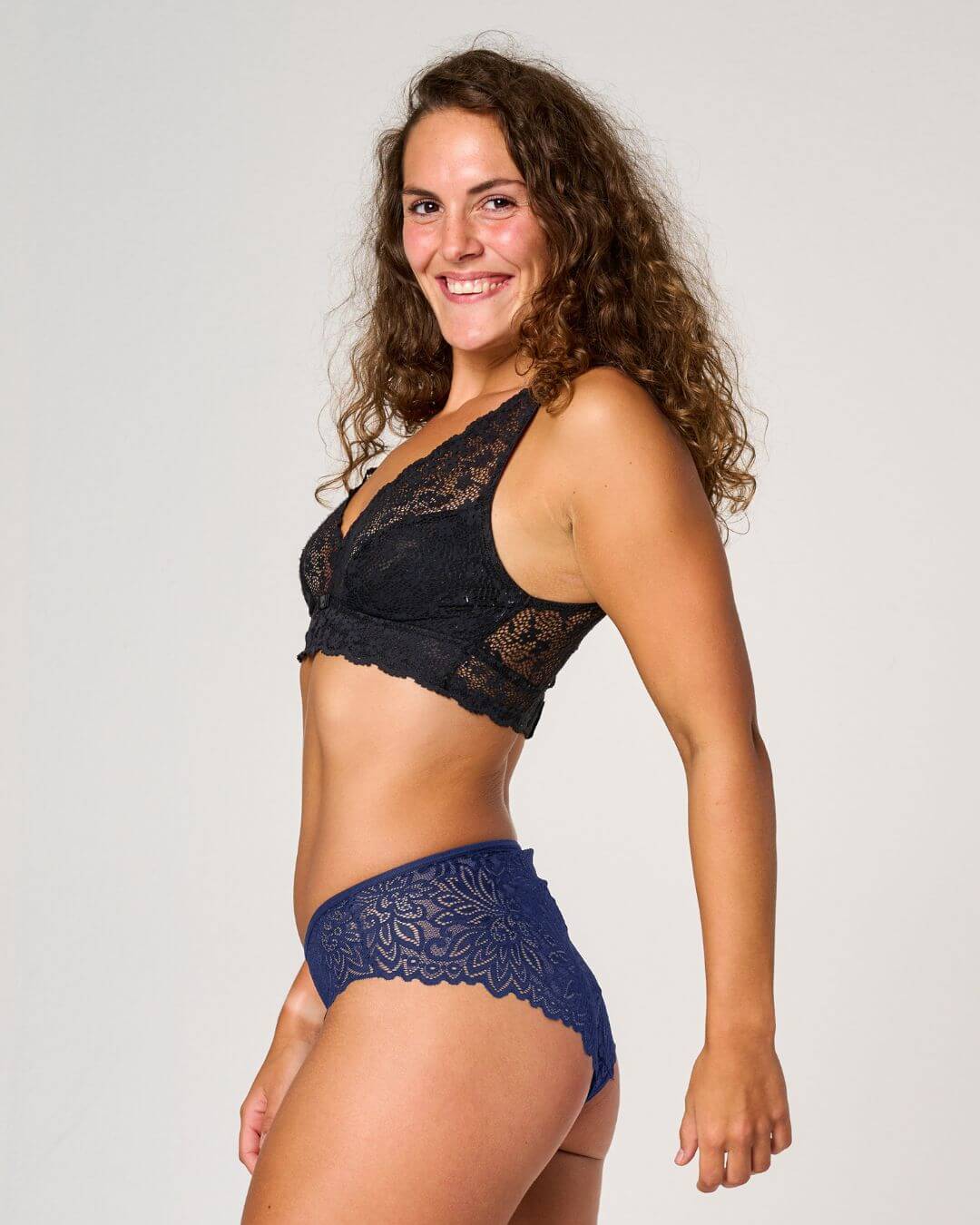
At Moodies, we believe that comfort plays a big role in this. Period underwear that moves with your body and flow can make all the difference, making you feel more confident, no matter what your cycle does.
Your period may be very similar to your mother's, but it remains your body.
See heredity as a guideline, not a fixed fact. And above all: keep listening to what your body tells you.
Because whether your cycle resembles your mother's or is completely different
you deserve a period where you feel free and confident.