Endometriosis is a condition that many women live with, but which is still rarely discussed openly. Perhaps you recognize it: severe menstrual pain every month, fatigue that doesn't go away, or pain during sex. You wonder if this is “just part of it,” or if there is something more going on.
What is endometriosis?
Endometriosis is a chronic condition in which tissue resembling the uterine lining (endometrium) grows outside the uterus. This can be found, for example, on the ovaries, fallopian tubes, intestines, or peritoneum. Just like the lining of the uterus, this tissue responds to hormonal fluctuations during the menstrual cycle.
According to the UMCG and the WHO, among others, this can lead to inflammatory reactions, adhesions, and scarring. Worldwide, it is estimated that approximately 1 in 10 women of reproductive age will develop endometriosis.
What is important to know: severe menstrual pain is not automatically endometriosis . However, chronically painful periods that affect your daily functioning always deserve attention.
What symptoms do you experience with endometriosis?
The symptoms vary from woman to woman. In practice, we see that many women walk around with pain for years before a diagnosis is made. This is partly because menstrual pain is often normalized.
Common complaints are:
- Severe menstrual pain
- Pain in the lower abdomen or lower back
- Pain during sex
- Pain during bowel movements or urination during menstruation
- Excessive blood loss
- Fatigue
- Difficulty getting pregnant
Some women experience continuous pain, others mainly around their menstruation. The severity of the symptoms does not always indicate the amount of endometriosis tissue. This sometimes makes the condition particularly confusing.
When menstruation structurally affects your work, studies, social life, or mental well-being, that is a signal to seek medical help.

Is endometriosis hereditary?
Many women wonder: if my mother or sister has it, will I get it too?
Research, described in medical publications and patient information from the Cleveland Clinic among others, shows that hereditary factors likely play a role. Women with a first-degree relative (such as a mother or sister) with endometriosis have an increased risk of developing it themselves.
That does not mean that it is automatically hereditary. Endometriosis is considered a multifactorial condition. In addition to genetic predisposition, hormonal, immunological, and possibly environmental factors play a role.
What does the diagnostic and treatment process for endometriosis look like?
The diagnosis
One of the biggest challenges with endometriosis is the time to diagnosis. Internationally, there is talk of an average delay of several years between the first symptoms and diagnosis.
The first step is usually a consultation with your GP. They will ask about your symptoms, menstrual pattern, and any family history. Sometimes a referral to a gynecologist follows.
Diagnostic steps may include:
- Physical and internal examination
- Echo
- MRI
- In some cases, a keyhole surgery (laparoscopy) is performed to definitively diagnose endometriosis.
Not every woman needs surgery immediately. The approach is tailored to symptoms, age, and any desire to have children.
The treatment
There is currently no definitive cure for endometriosis. Treatment focuses on reducing symptoms and improving quality of life.
Possible treatment options are:
- Pain relief
- Hormonal therapy (such as contraception) to suppress the menstrual cycle
- Surgical removal of endometriosis lesions
- Guidance on fertility problems
The Dutch Society of Obstetrics and Gynaecology (NVOG) emphasizes the importance of specialized care and referral to centers with expertise in endometriosis.
What we see in practice: a combination of medical treatment, lifestyle adjustments, and good guidance gives many women more control over their daily lives.
Is there a community for people with endometriosis?
Yes, and that can be enormously valuable.
Many women find recognition and support among fellow sufferers. In the Netherlands, the Endometriosis Foundation offers information and support. There are also platforms such as Endo Girlies , which offers an informative Instagram page and a support group on WhatsApp, or Behind Endo (stories), which provides a community for women with endometriosis. There are also knowledge days and symposiums on endometriosis where you can gain a lot of knowledge and meet women who have the same symptoms.

Sharing experiences can help with:
- Recognition of symptoms
- Preparation for conversations with doctors
- Emotional support
- Breaking the feeling of being alone
By breaking taboos and making menstruation and chronic menstrual complaints open for discussion, we create space for honest conversations at home, at work, and in healthcare .
The Endometriosis Foundation offers a test to see if your symptoms differ from a 'normal' period. So if you are curious, take the test . Please note: there is no written test that allows you to self-diagnose. Always consult a doctor for a diagnosis.
Living with endometriosis: what can you do yourself?
Although medical supervision is essential, small adjustments in daily life can help cope better with symptoms. Consider:
- Tracking your menstrual and pain patterns
- Plan moments of rest around your cycle
- Communicate openly with those around you
- Use comfortable, breathable menstrual products
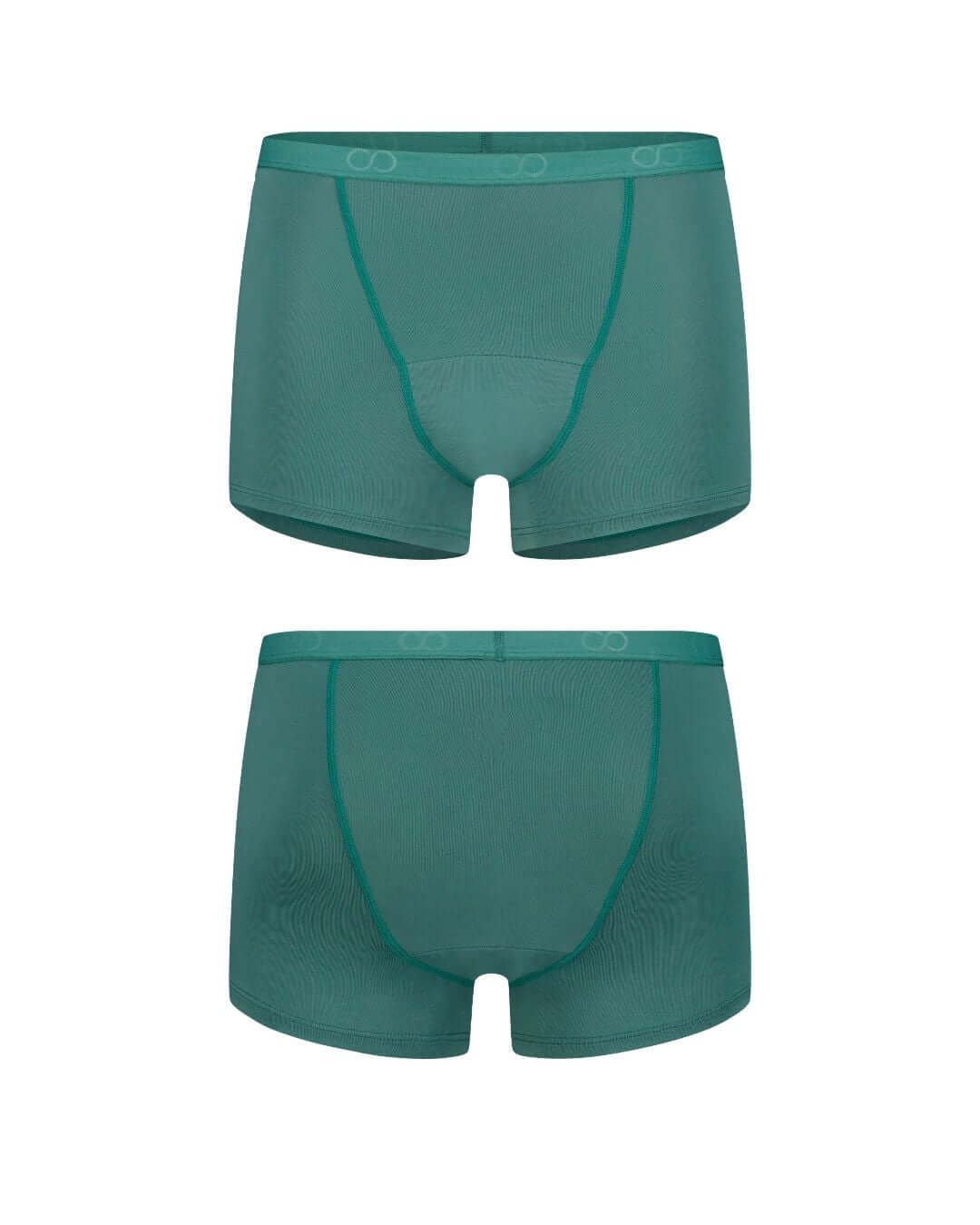
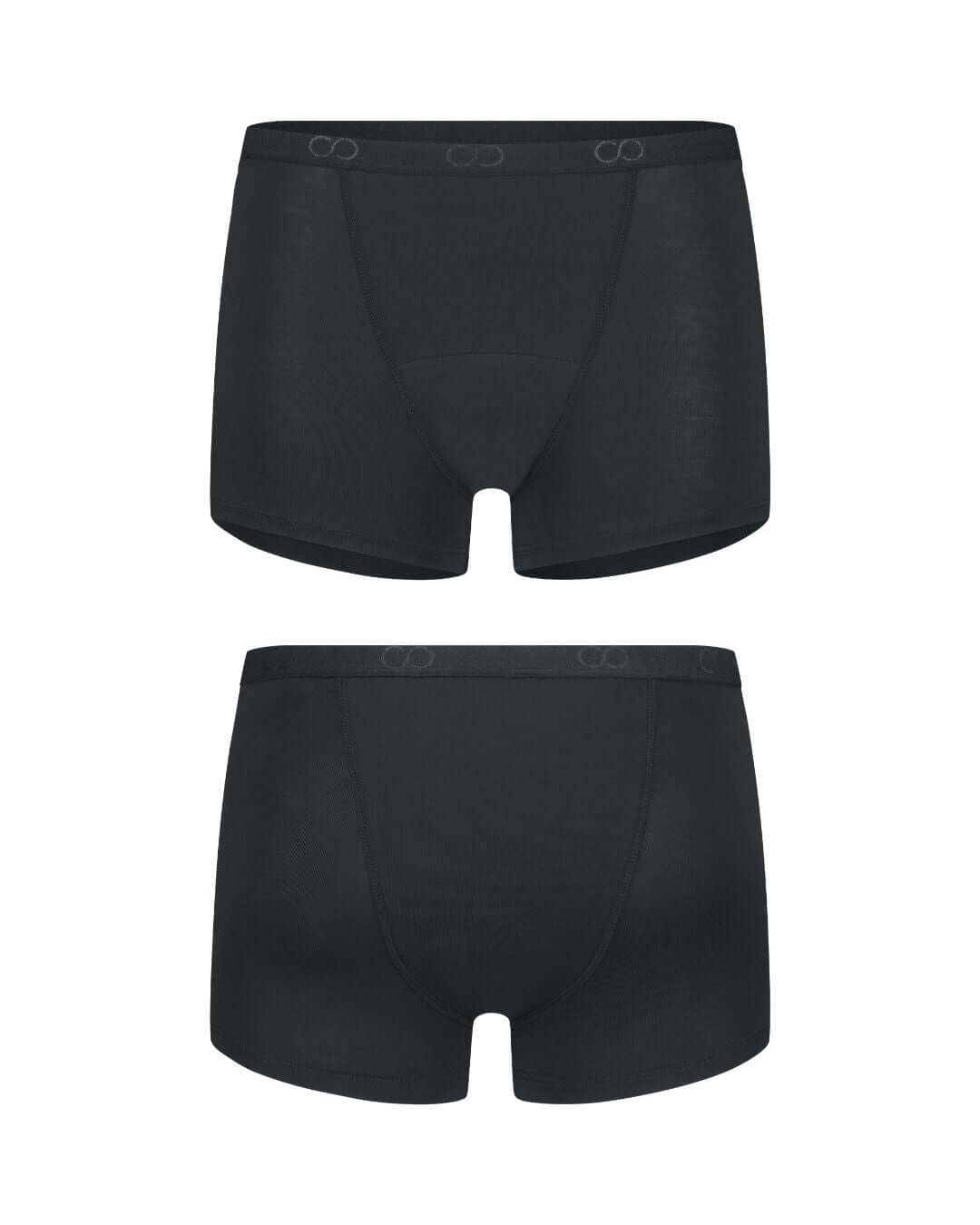
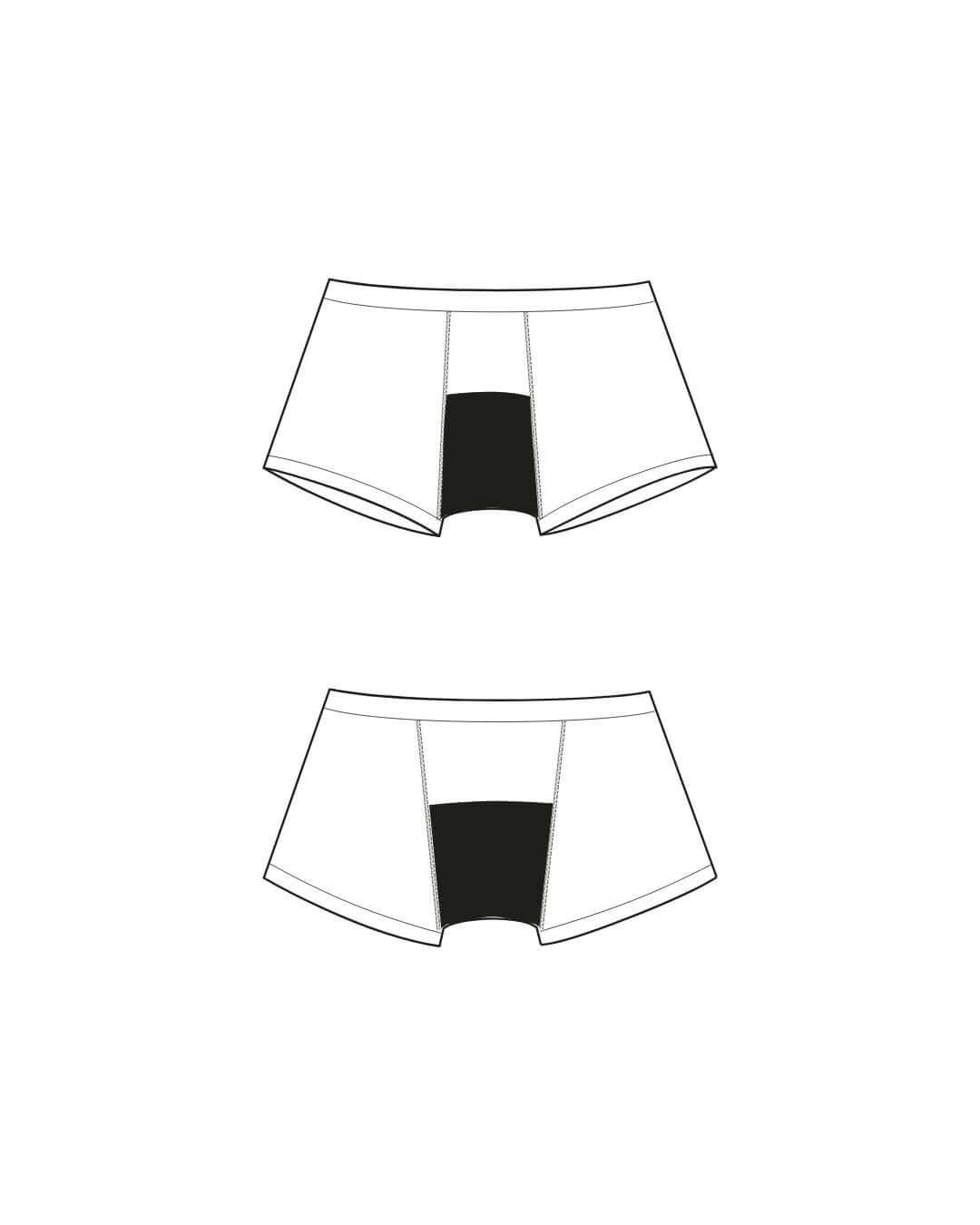
Many women indicate that predictability and comfort contribute to more peace during their period. Soft, reliable menstrual underwear can provide practical support in this regard, without compromising on style or freedom.
Self-care is not a weakness. It is a form of taking control of your body.