Being on your period and still playing a match: for most girls and women who play football, that is not an exception, but the norm. A survey that Moodies recently sent out among girls and women who play football shows that 75% always continue to play sports during their period and another 23% usually do so. Almost no one stops completely. But "continuing to play sports" does not automatically mean it goes well. This article places the figures from our own data alongside national and international research, so you get a complete picture of what is happening on the field at once.
How much influence does menstruation have on how free you feel while playing football?
Menstruation affects how free or comfortable a large part of girls and women who play football feel on the field. In the Moodies survey, more than 40% of respondents gave this a 3 or higher on a scale of 1 to 5, where 1 means that their period does not hinder them or make them feel uncomfortable, and 5 that their period actually holds them back or makes them feel insecure. That is not a small group: it involves structural doubt for a significant portion of players, every single month.
This aligns with national research. According to figures shared by Nike, girls stop playing sports around the age of fourteen about twice as often as boys, which coincides with the average age at which they have their first period. The Mulier Institute also concluded on the basis of research among 750 women that the majority experience barriers when exercising during puberty, menstruation, pregnancy, and menopause, and that this regularly leads to less intensive exercise or skipping training sessions.
What do girls and women who play football worry about most during their period?
Fear of leaking or being visible is the biggest spoiler: 79% of respondents in the Moodies survey indicated that they sometimes worry about this, of which 47% "sometimes" and 32% even "often." Only 6% never experience this.
This picture corresponds strongly with research by NOC*NSF and Sportcentrum Papendal, which shows that 55% of female athletes worry about leaking during training or matches, and that one in three indicates that menstruation-related anxiety disturbs her focus.
How many girls and women who play football skip a training or match because of their period?
42% of the respondents in the Moodies survey have sometimes adjusted or skipped a training or match due to their period. The most important reasons they mentioned, in order of frequency:
- Less energy
- Not feeling comfortable in one's own body
- Fear of leaking
- Fear of injury or pain, for example during a sliding tackle
Here, too, a clear parallel can be seen with broader research. Figures from Plan International show that 42% of teenage girls indicate that their period prevents them from playing sports. Research by hockey player Tess Howard at Durham University also shows that a large part of the surveyed women saw girls stop playing sports because they feel uncomfortable in the sportswear intended for them: a different, but certainly related theme of body insecurity during puberty.

A striking example of this can be seen close to home. Football club DSS from Haarlem, of which Moodies Undies is a proud sponsor of the women's team, traded their white shorts for black ones after 102 years, at the initiative of the youth players themselves, who felt insecure about visible stains and leaking. Players indicate that the switch provides less stress and more self-confidence on the field.
Which menstrual products do girls and women who play football use during sports, and what do they find annoying about them?
At 34%, tampons are the most used product while playing football, followed by sanitary pads (25%) and period underwear (23%). The rest use a combination of products.
The five most mentioned annoyances with sanitary pads and tampons during sports are:
- An uncomfortable feeling
- Fear of leaking
- Having to change in between, even during a match
- Visibility under sportswear
- Being limited in movement
What do medical research and the KNVB say about menstruation and sports performance?
The iron loss that accompanies menstruation can indeed affect fatigue and recovery, certainly in combination with intensive exercise. Sportzorg indicates that relatively little research has been done on this subject, so coaches and supervisors often do not know how to best support players in this. The KNVB also acknowledges this: in its coaching material, the association emphasizes that the menstrual cycle is still difficult to discuss for coaches, while a safe environment in which players dare to bring this up contributes to how free they feel to move and perform on the field.
Why is menstruation still a taboo within football?
Menstruation is often still a taboo within football because education, conversation with coaches, and appropriate products for intensive movement are lagging behind. This is evident from both the Moodies survey and national research: the problem does not lie with individual players, but with the system surrounding them.
UEFA and the KNVB now also acknowledge that steps can be taken here. UEFA is working on guidelines to help professional clubs to better track and understand the menstrual cycle of players, and the KNVB explicitly states in its coaching modules that the menstrual cycle is a natural process that should not be a taboo.
What can you do yourself if you suffer from your period while playing sports?
- Talk about it. With your coach, teammates, partner, or parents. The more normal the conversation, the smaller the barrier to indicate when something doesn't feel right.
- Keep moving, even with symptoms. Exercising can actually help against cramps because the body produces endorphins.
- Watch your iron intake. Especially if you exercise intensively and menstruate, you lose extra iron. Meat, fish, legumes, and grains in combination with vitamin C help to replenish this.
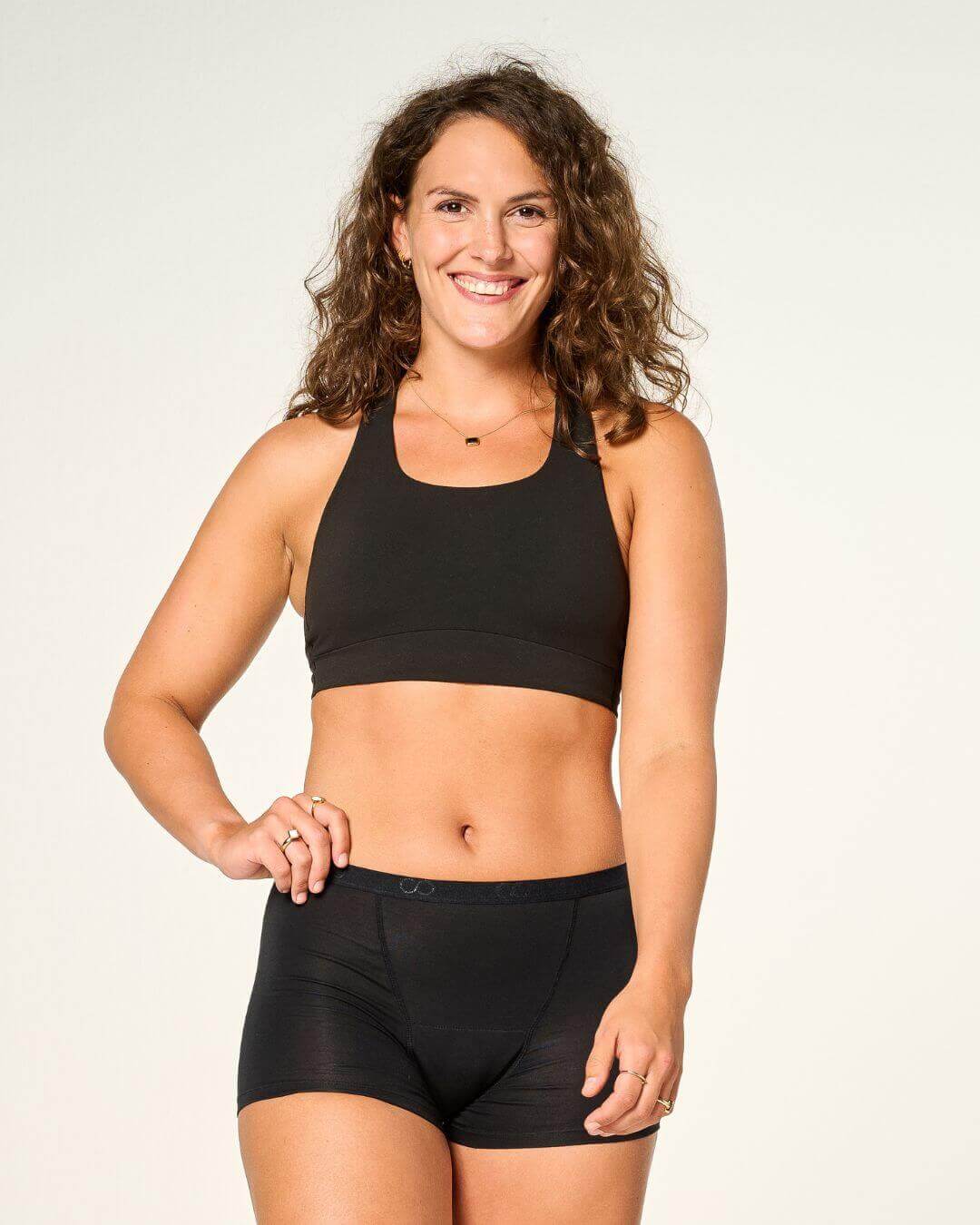
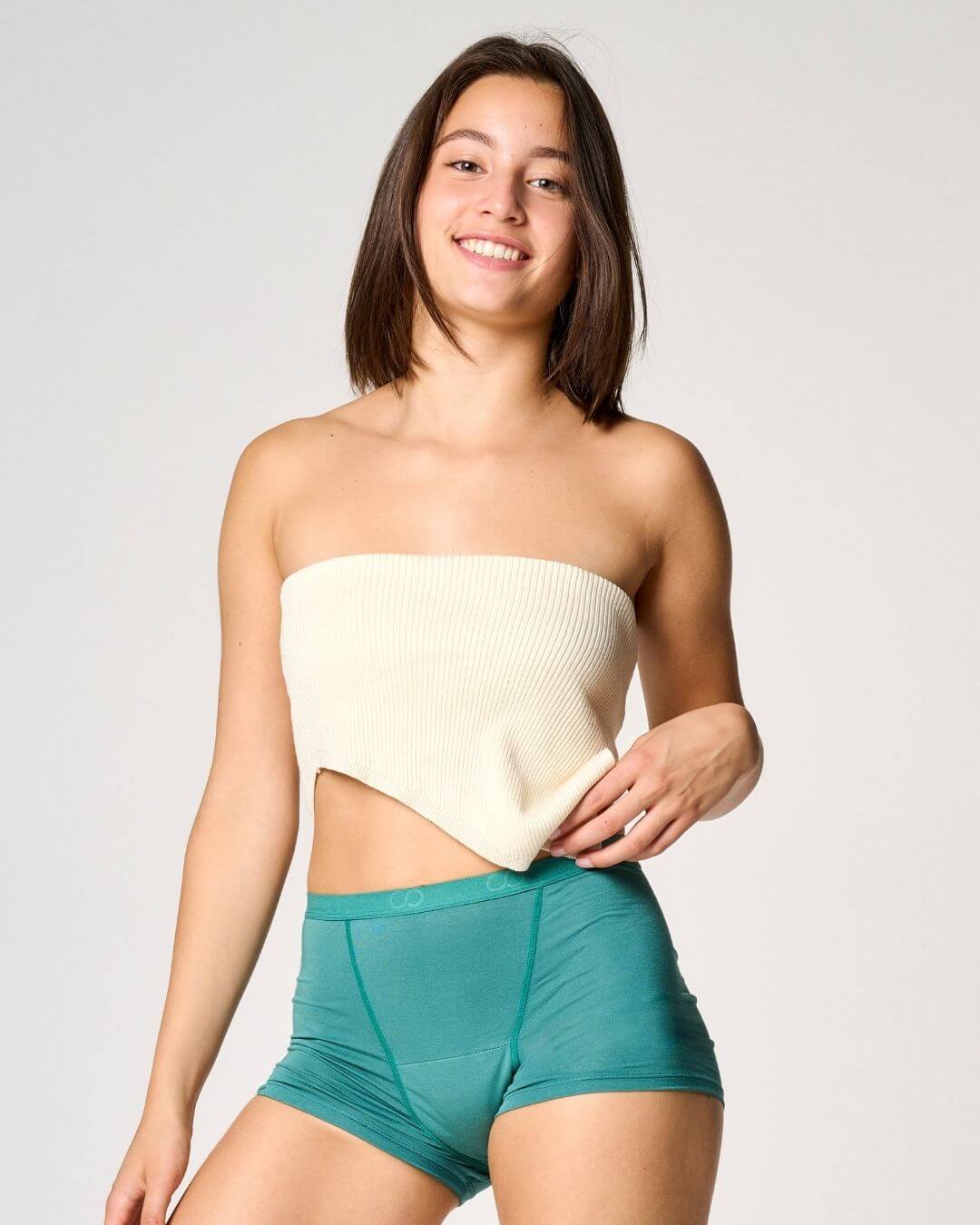
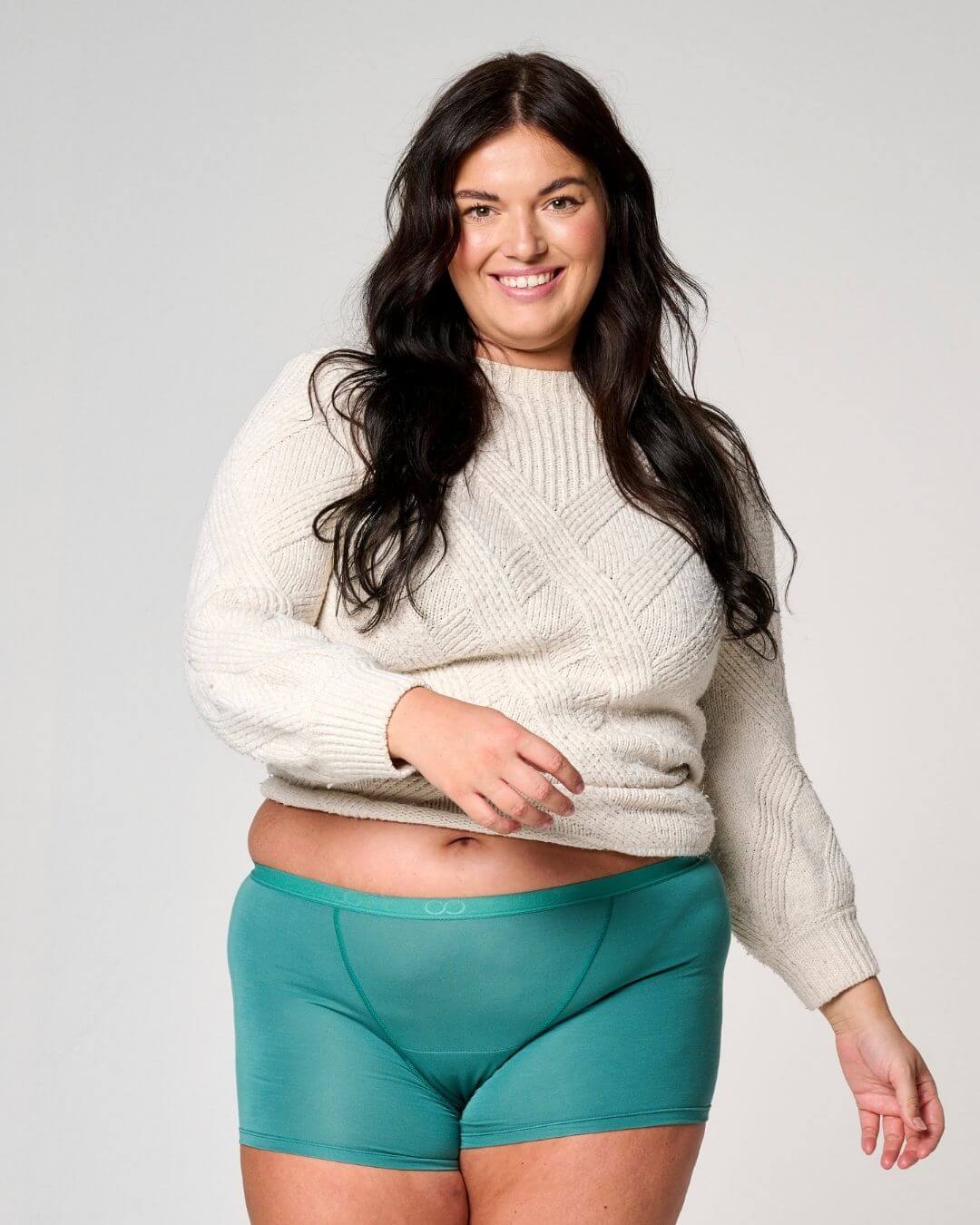
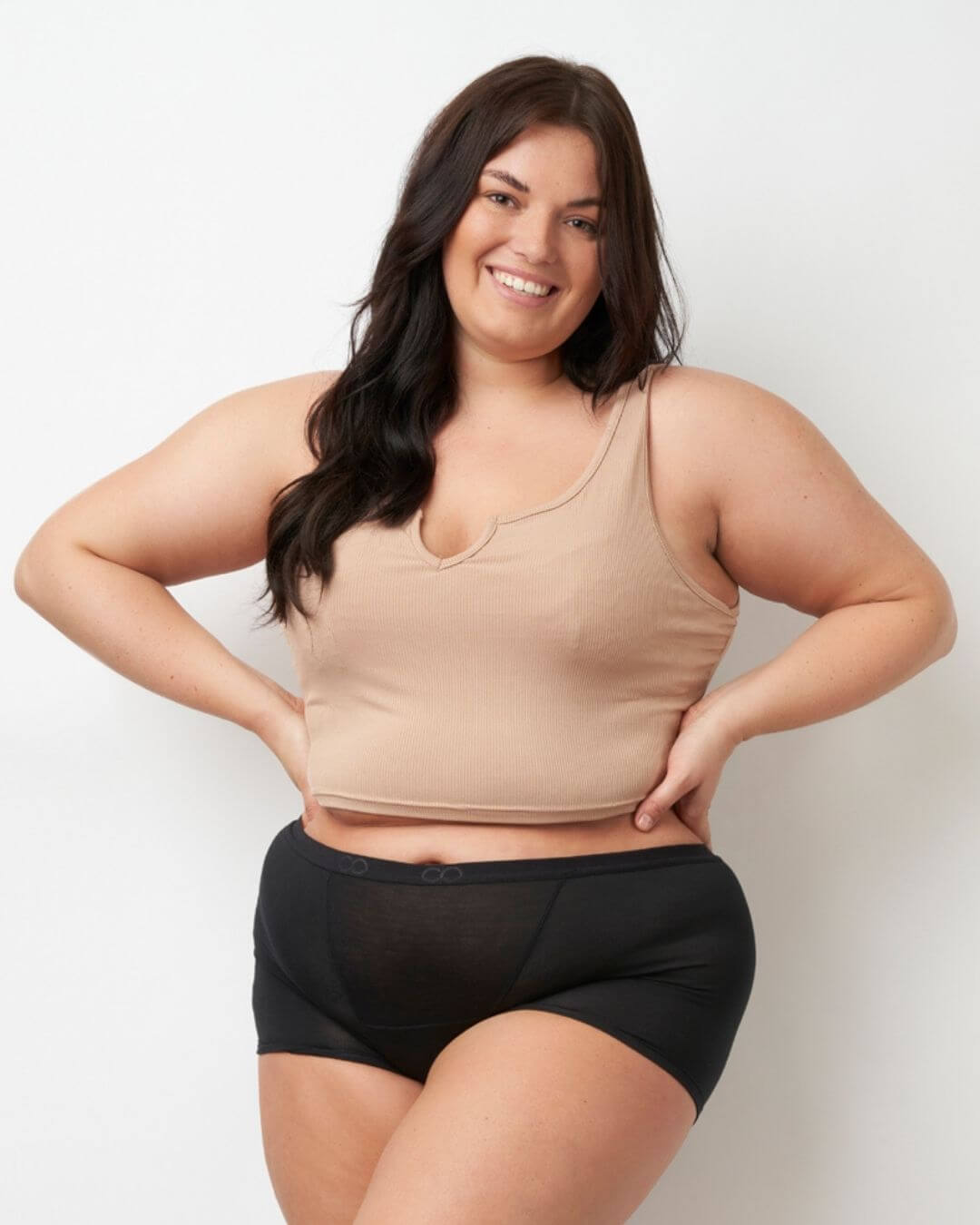
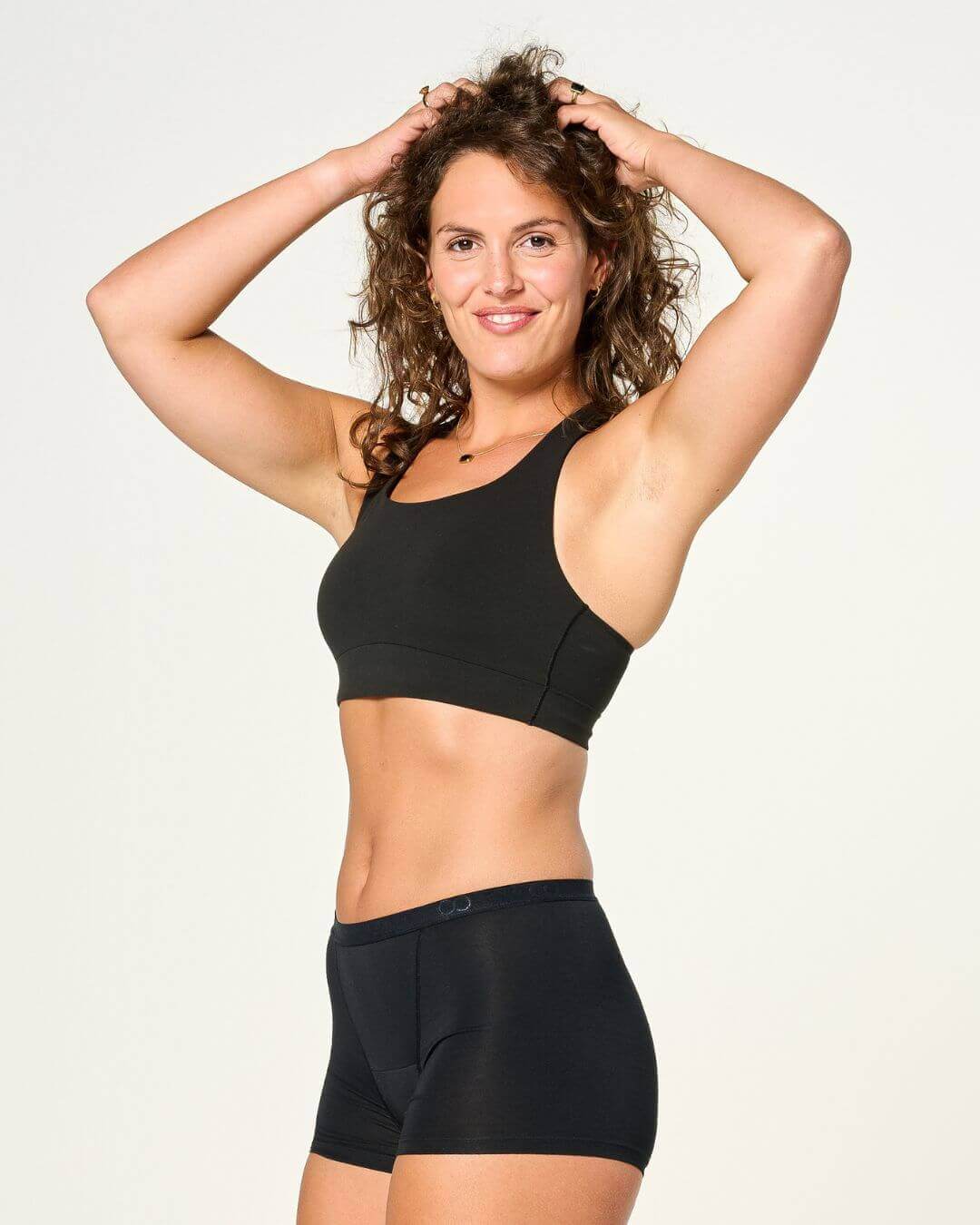
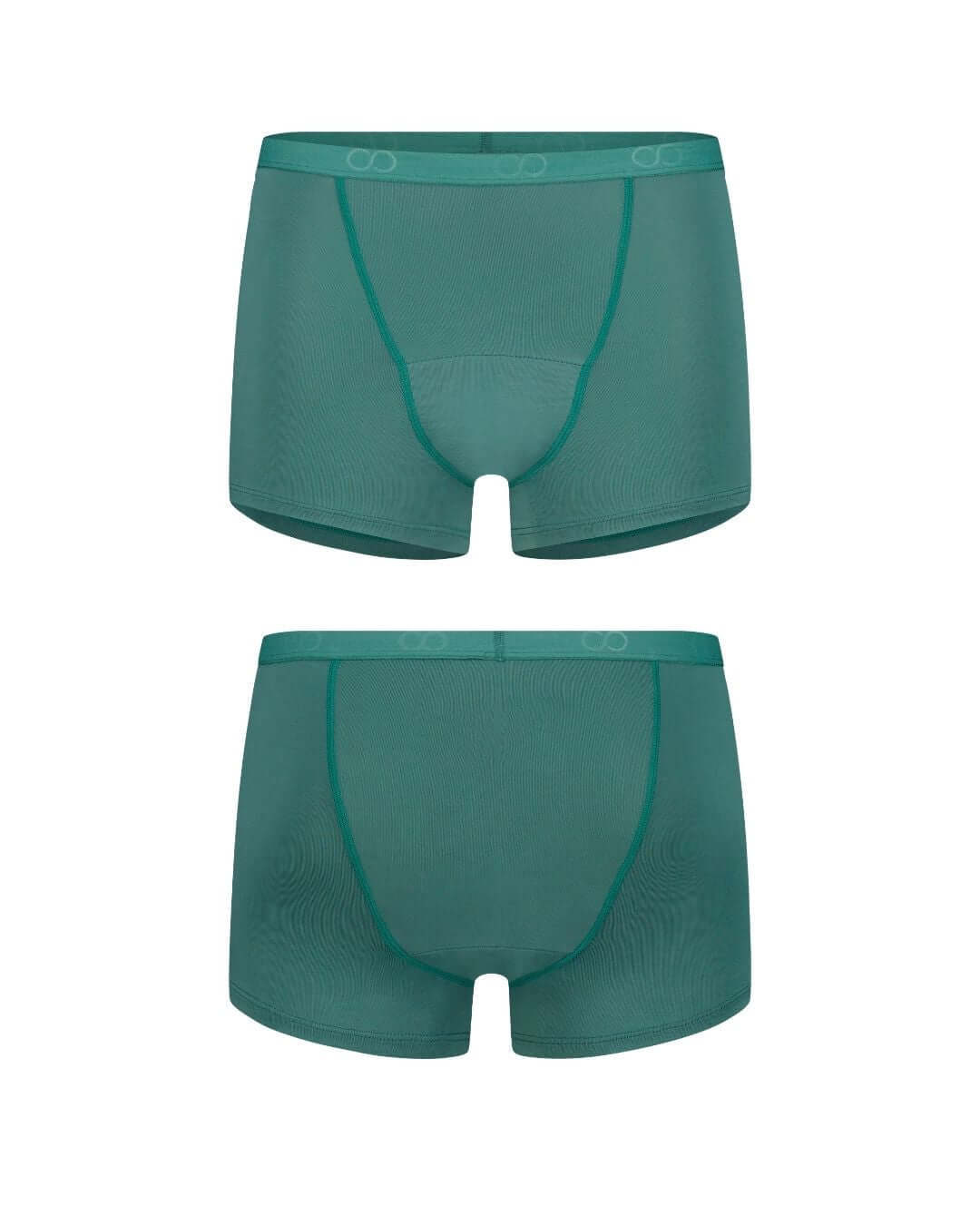
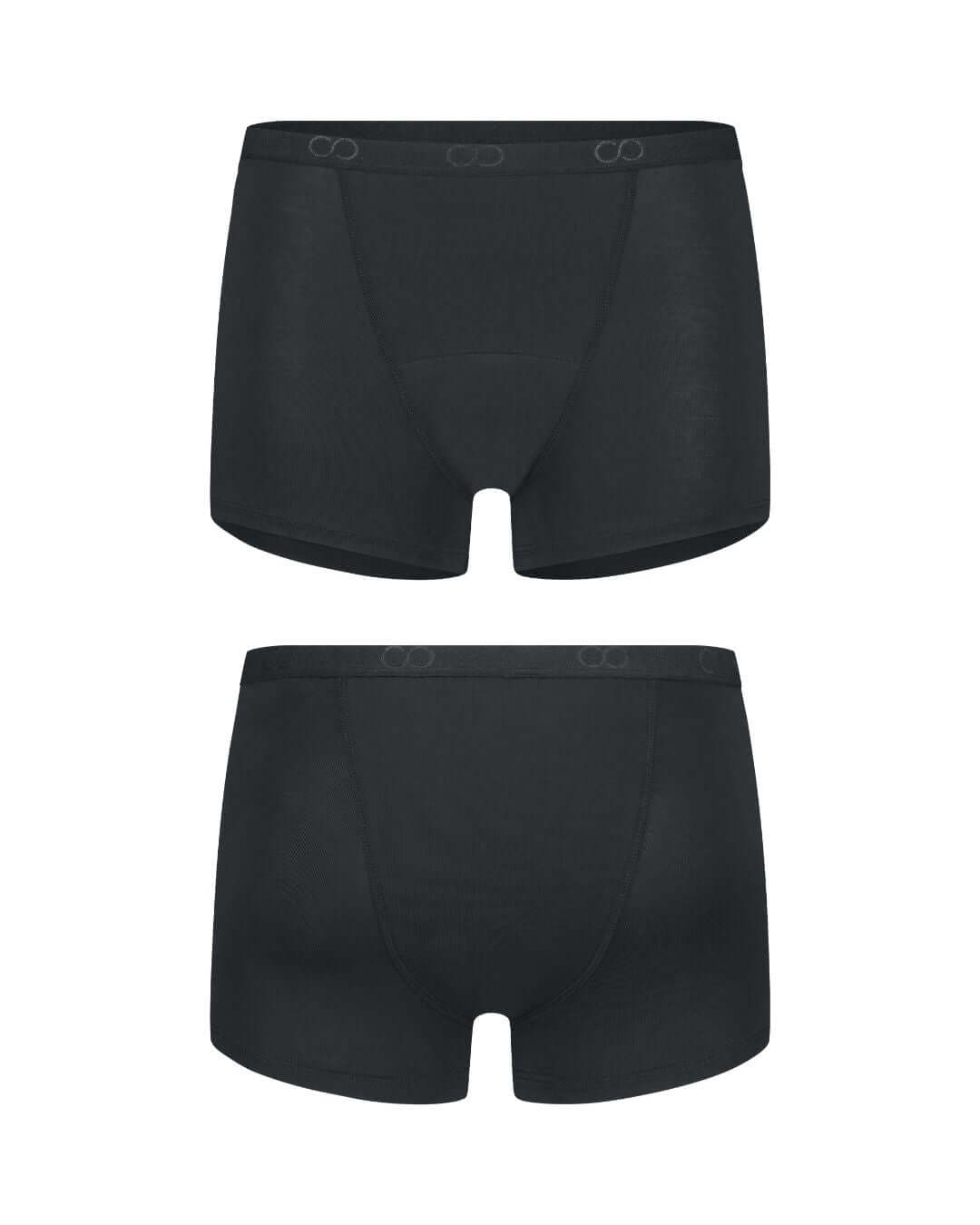
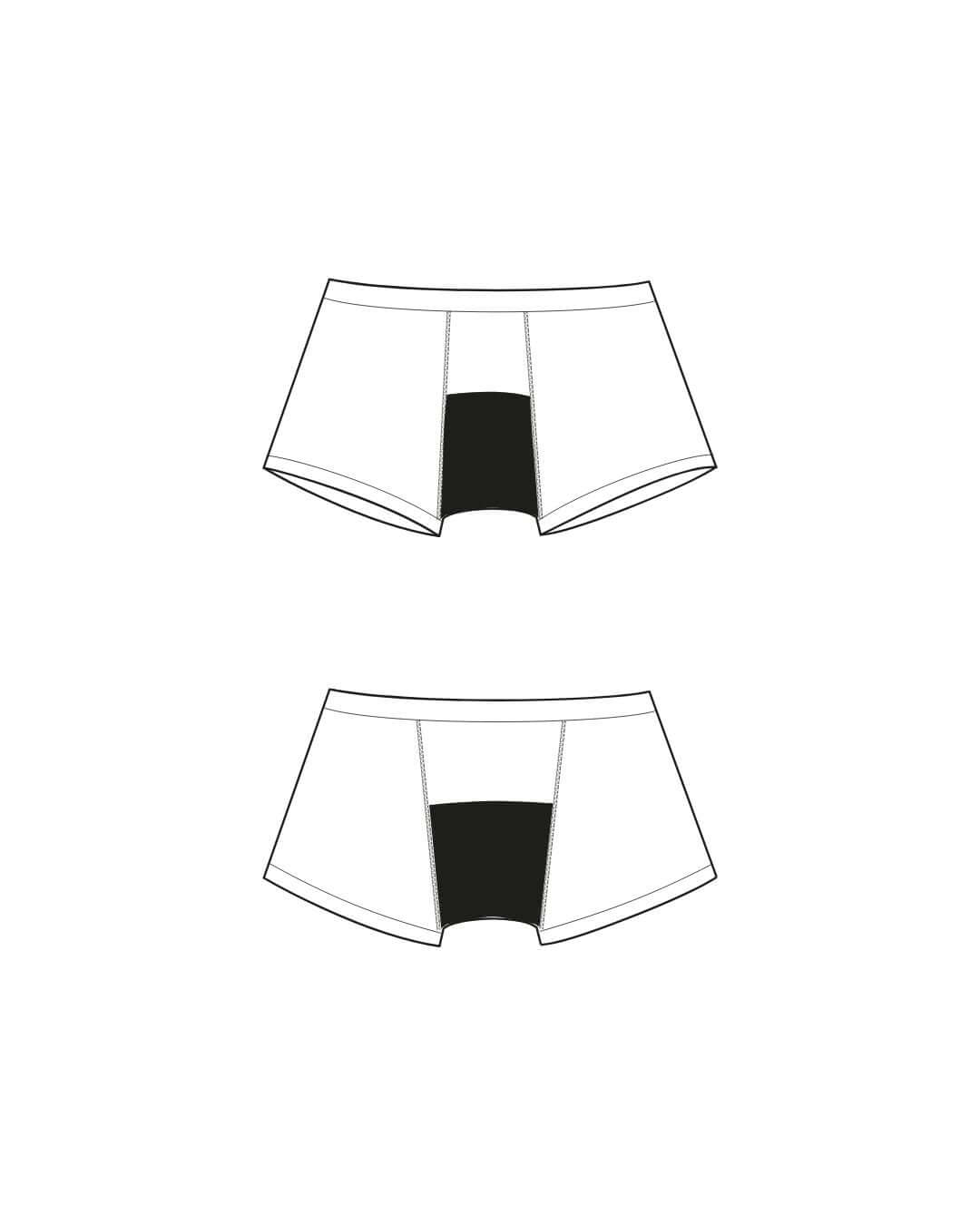
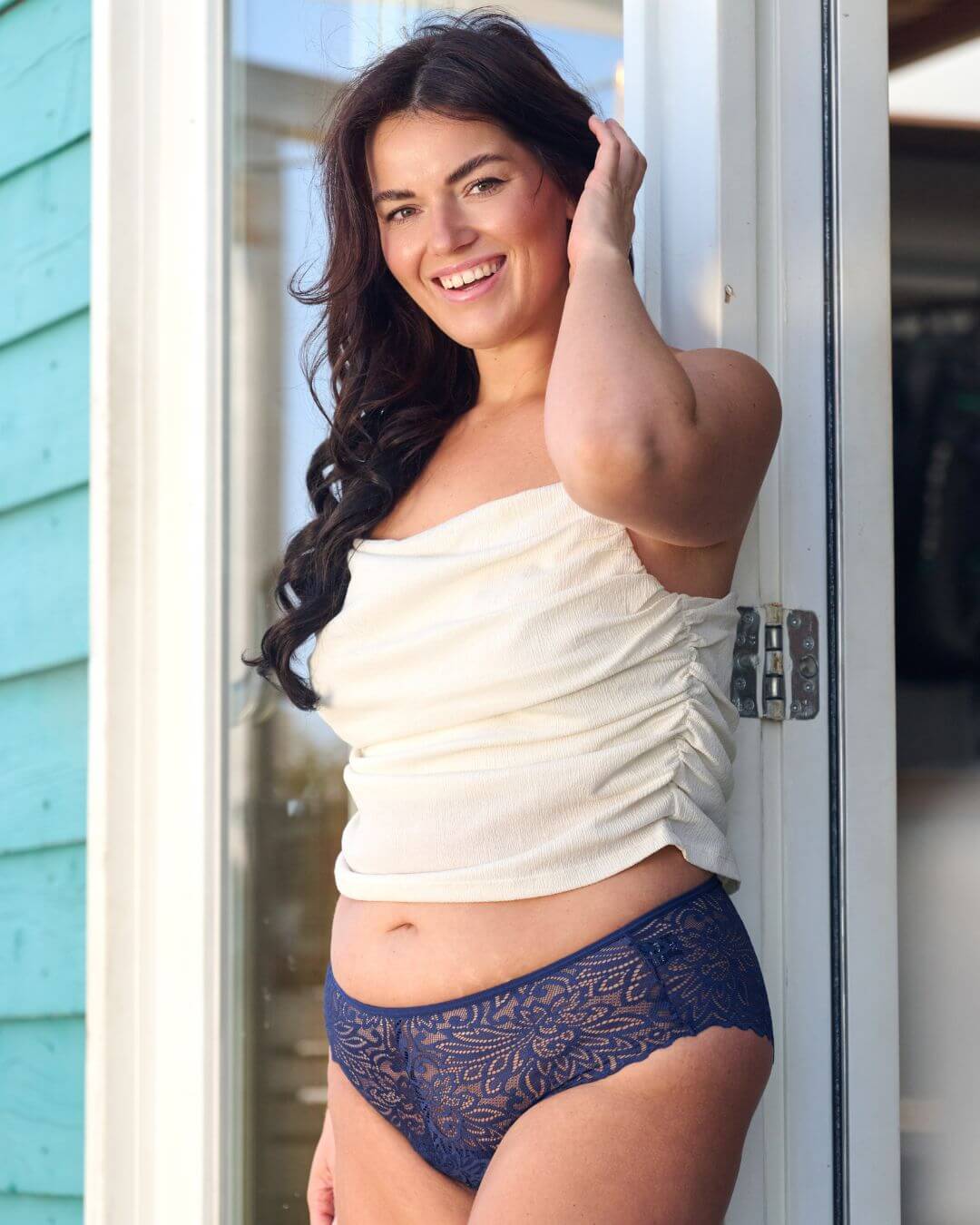
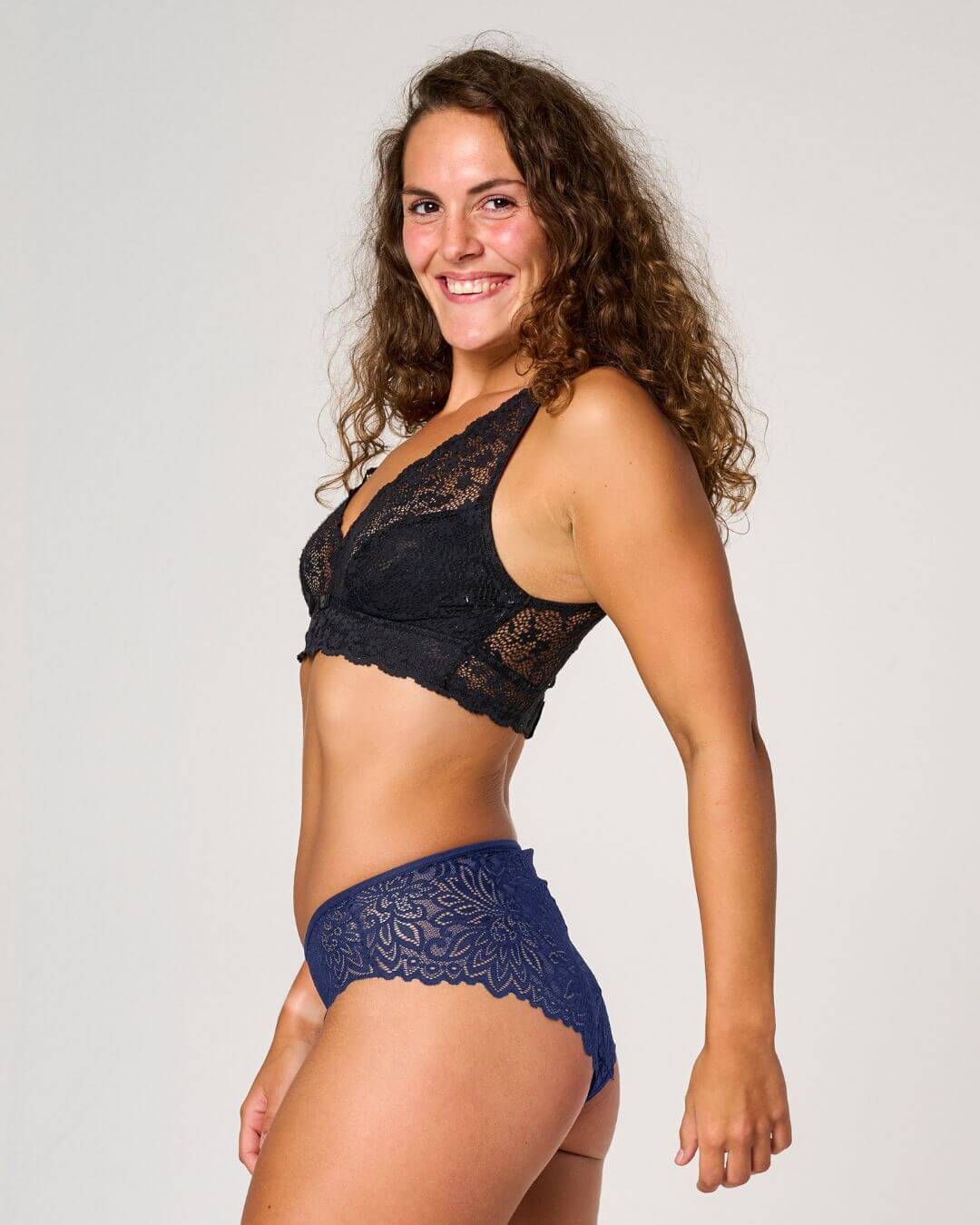
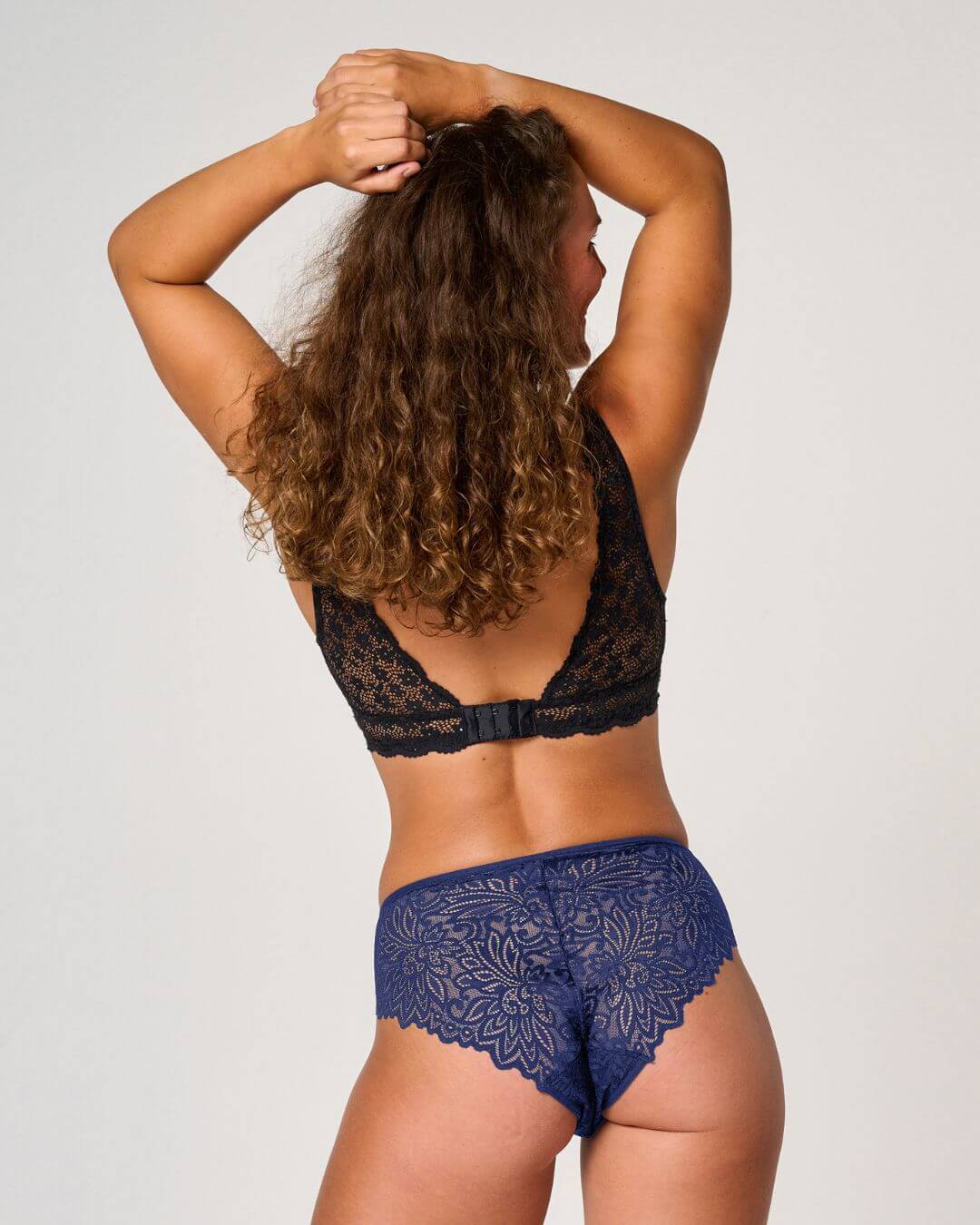
- Make sure you are familiar with your menstrual product. Whether you choose a tampon, cup, or period underwear: knowing what works for your body and your sport saves a lot of mental space during the match. Period underwear is experienced as pleasant by many players because it feels like normal underwear and offers extra protection against leaks, without you feeling it under your sportswear.
In conclusion
The figures from the Moodies survey among girls and women who play football show exactly what national and international research also confirms: menstruation and sports do not automatically go together for many girls and women, not because of a lack of desire to play sports, but because of worries about leaking, comfort, reduced energy, and visibility. The example of DSS shows that this can be improved with small, concrete adjustments. The more openly we talk about this, in locker rooms, on the field, and beyond, the more normal it becomes to just keep doing what you are good at.
Sources
- Nike, "Training and your menstrual cycle. FAQs"
- Mulier Institute, "Barriers to exercising during menstruation, pregnancy, and menopause"
- NOC*NSF, "Menstruation still taboo in (top) sports"
- Plan International, "How to keep playing sports when you are menstruating"
- Sportzorg, "Menstruation" and "Menstrual cycle and sports"
- KNVB Rinus, "Menstrual cycle" (coach module)
- NOS, "UEFA wants to help professional clubs better track menstruation"
- Moodies, own survey among girls and women who play football