Period pain and cramps are a common discomfort that most women experience every month. Fortunately, there are several ways to relieve the pain. One of the most effective, popular and natural remedies is applying heat.
Why is heat so effective?
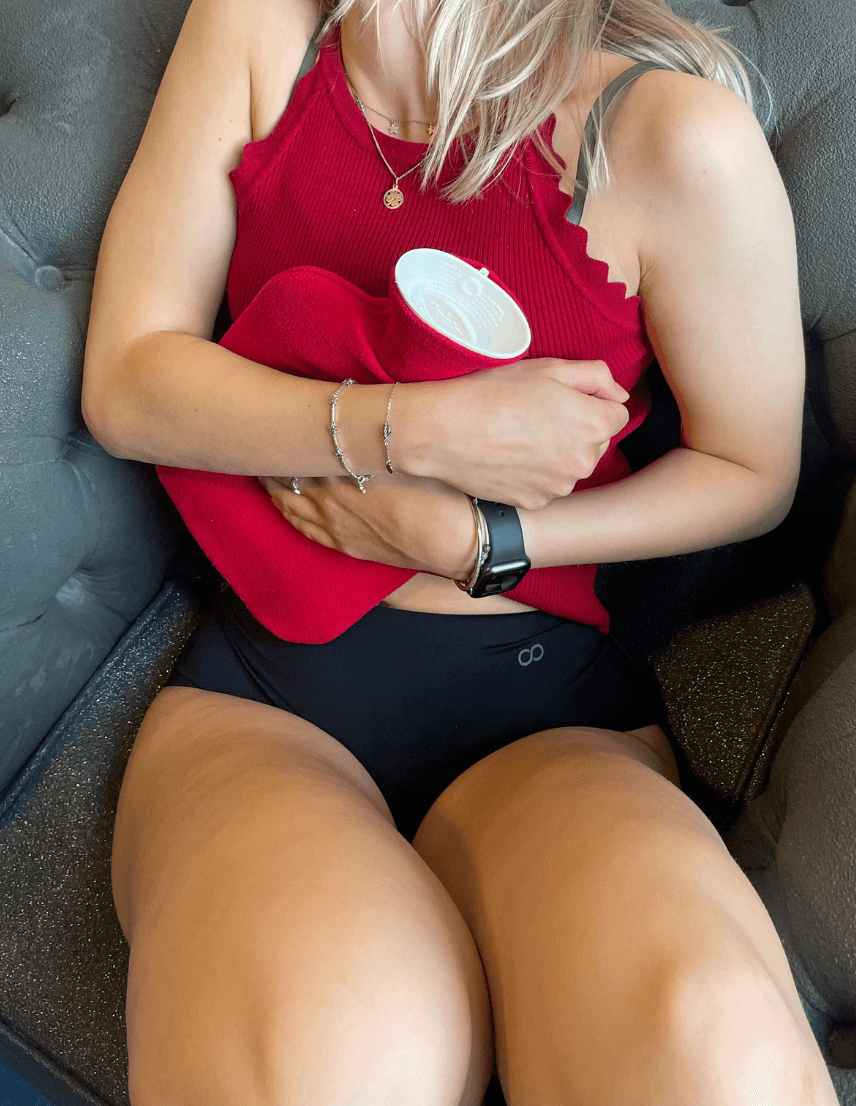
Using heat to reduce pain or cramps is also called heat therapy. Besides applying heat to your abdomen, it's often applied to your lower back too. It's a simple but effective way to reduce the pain and discomfort of your period. That's because heat helps your muscles relax. Applying heat widens the blood vessels, which increases blood flow. This can reduce cramps and give a feeling of comfort and relaxation during your period.
Heat packs, hot water bottles, heat patches or even a warm bath or shower can help boost your circulation. That improved circulation can reduce the pain, so you feel better during your period.
Heat can also stimulate the production of endorphins. Endorphins are known as "happy hormones" and can act as a natural painkiller. So applying heat can not only relieve physical pain, but also have a positive effect on how you feel mentally during your period.
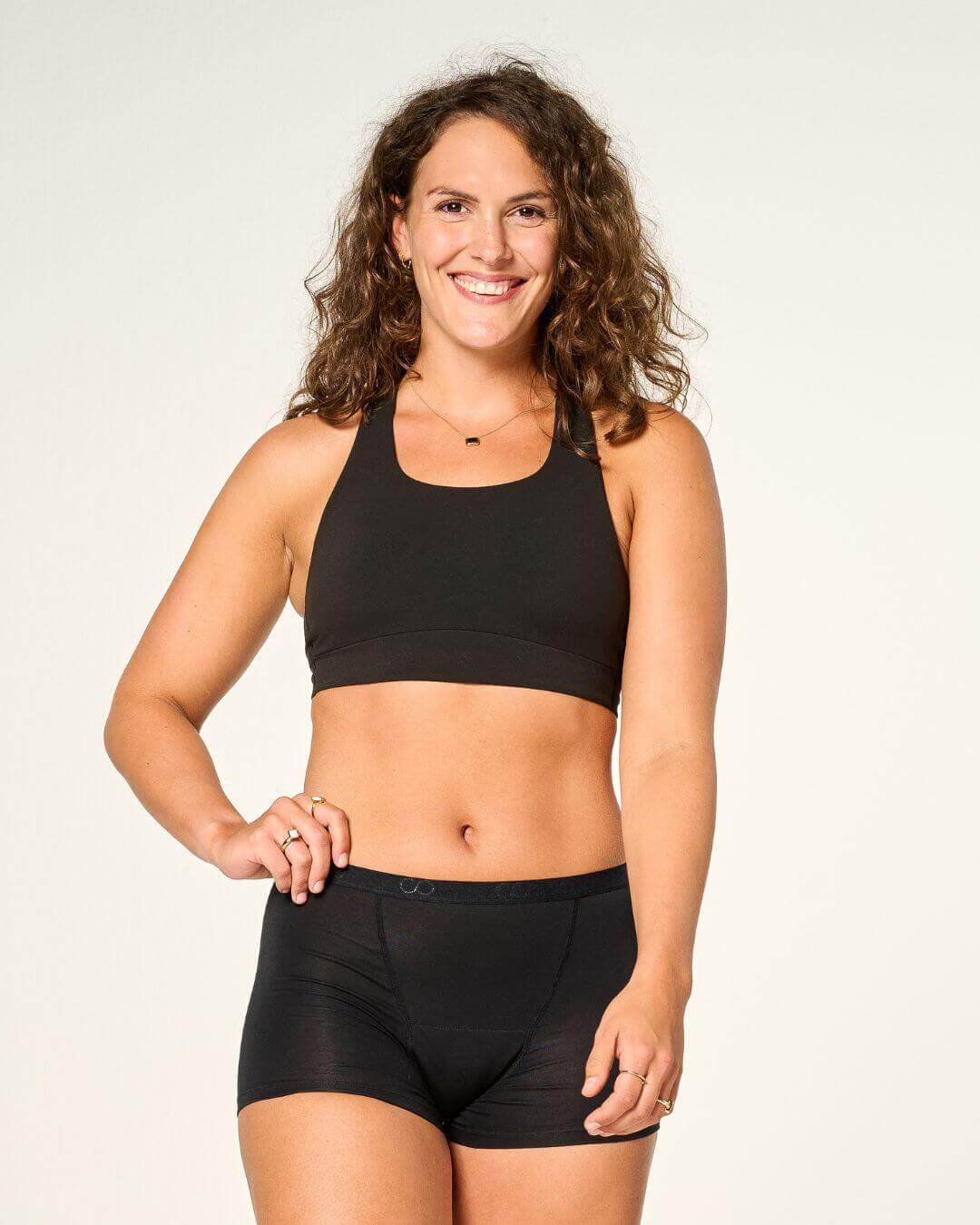
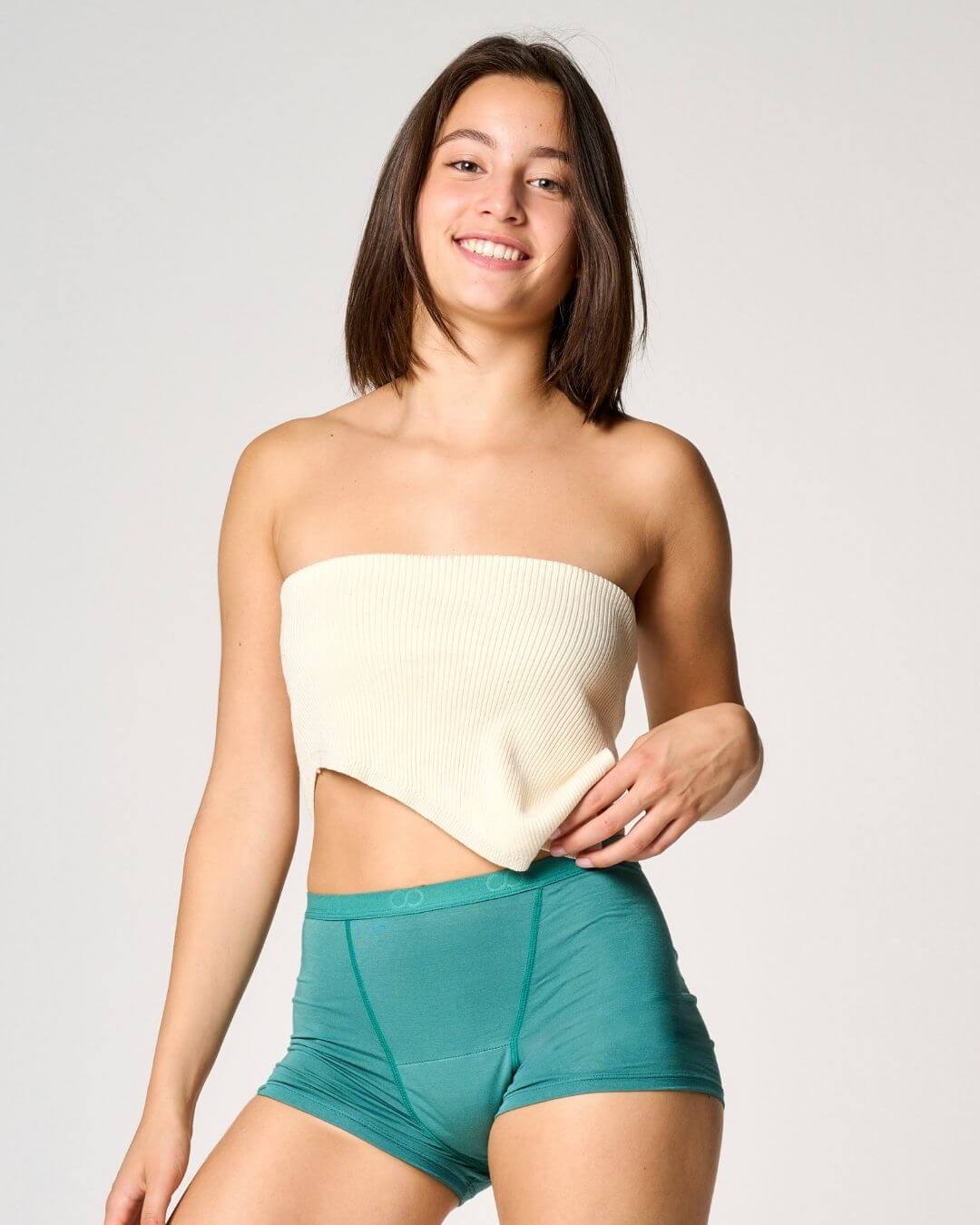
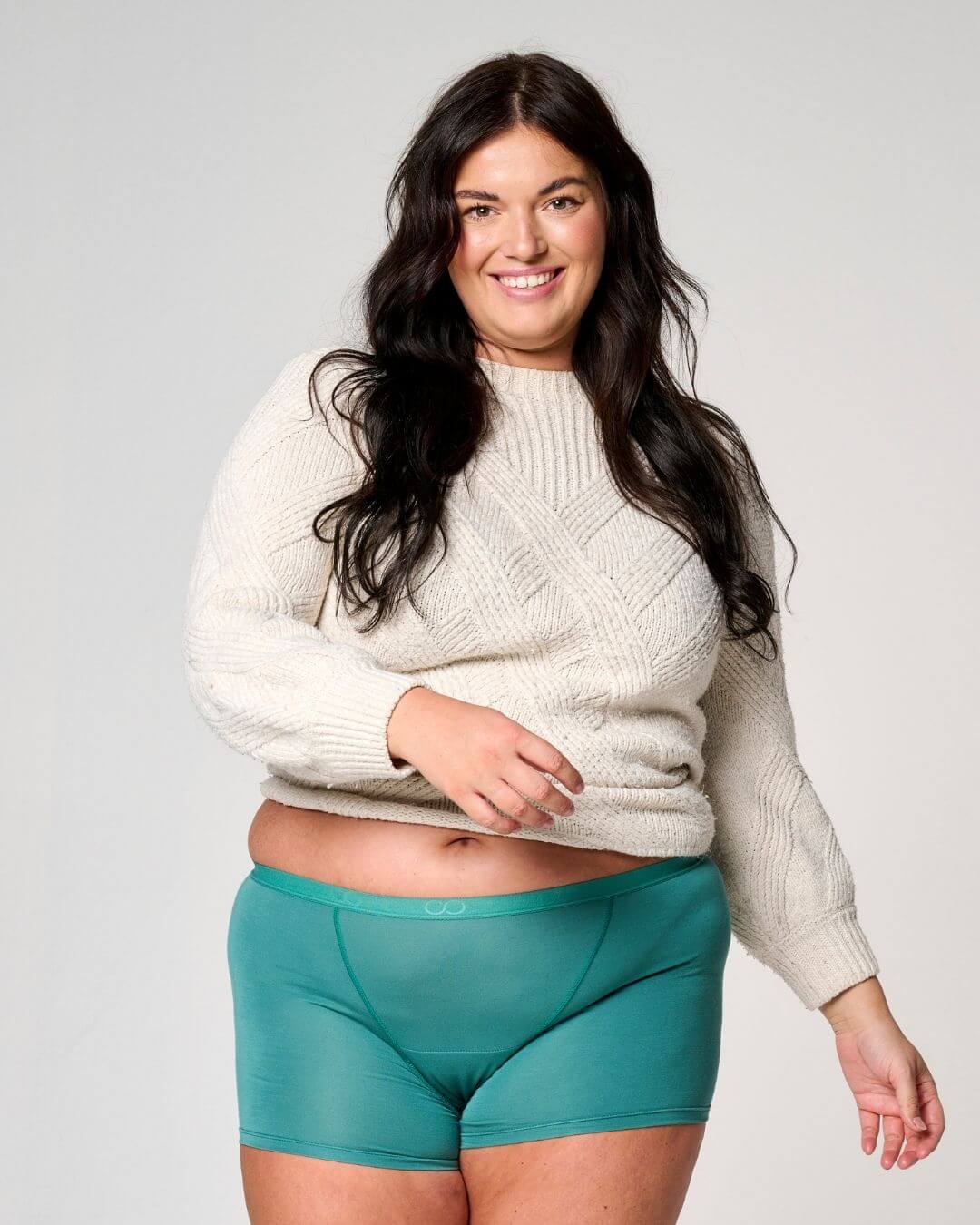
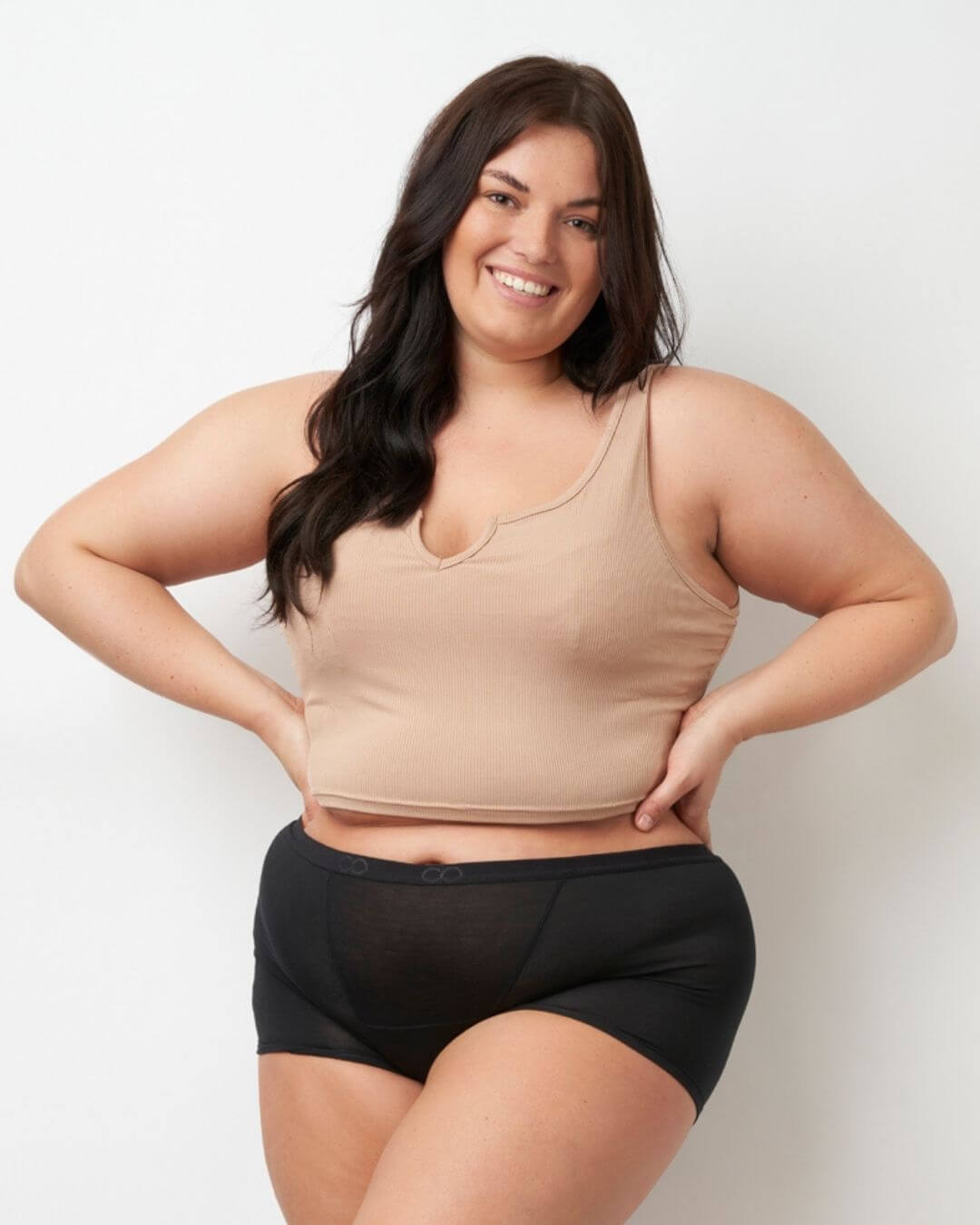
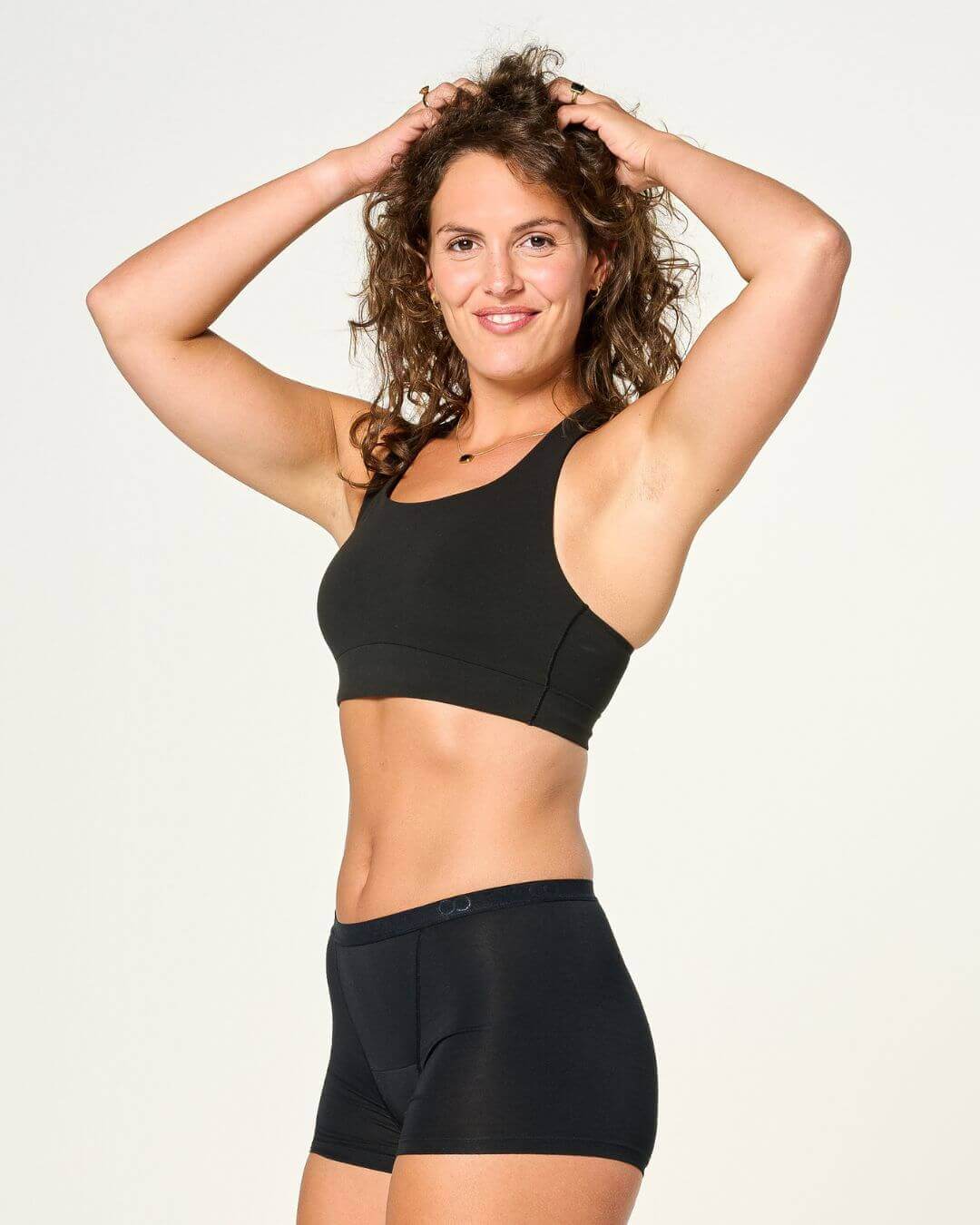
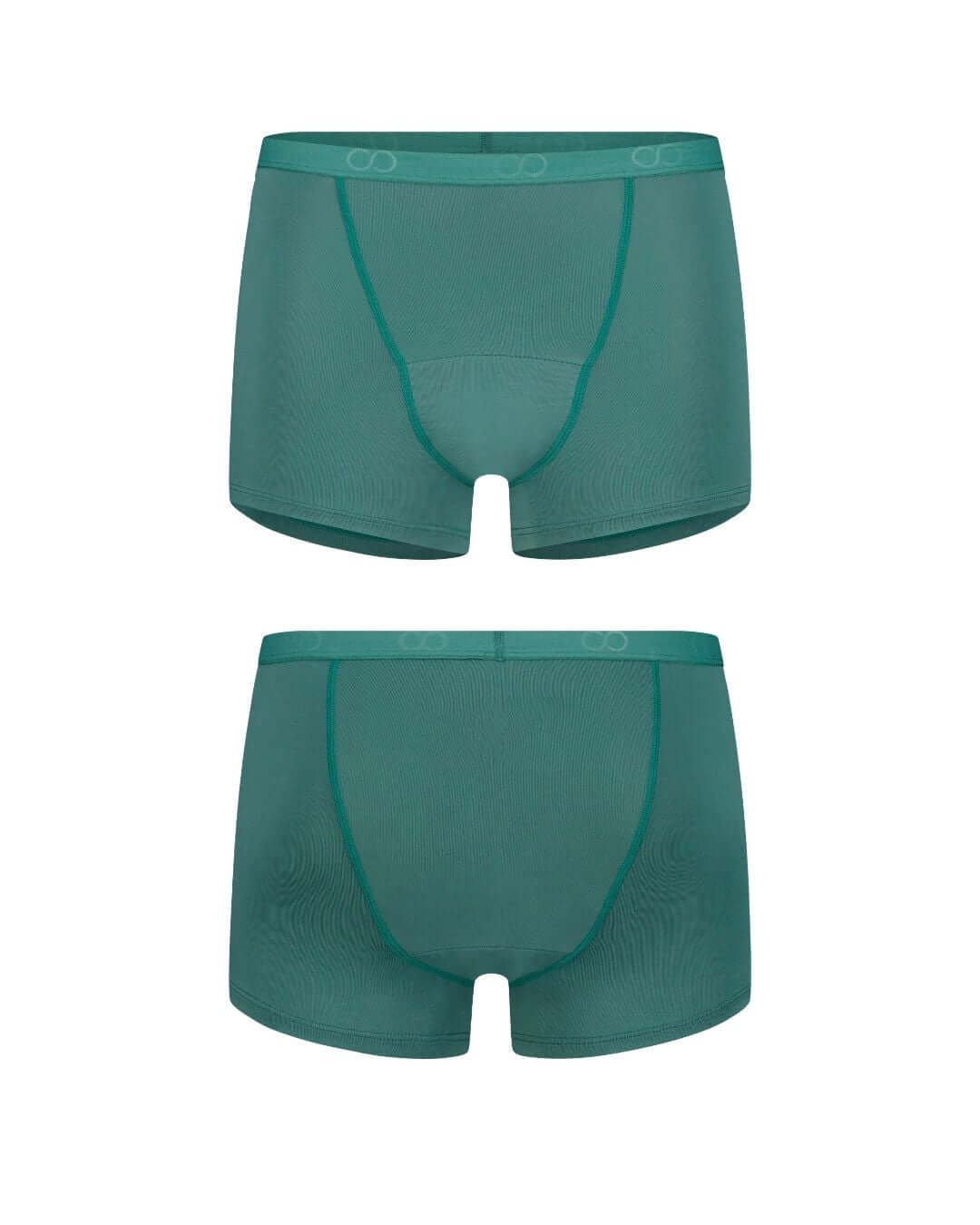
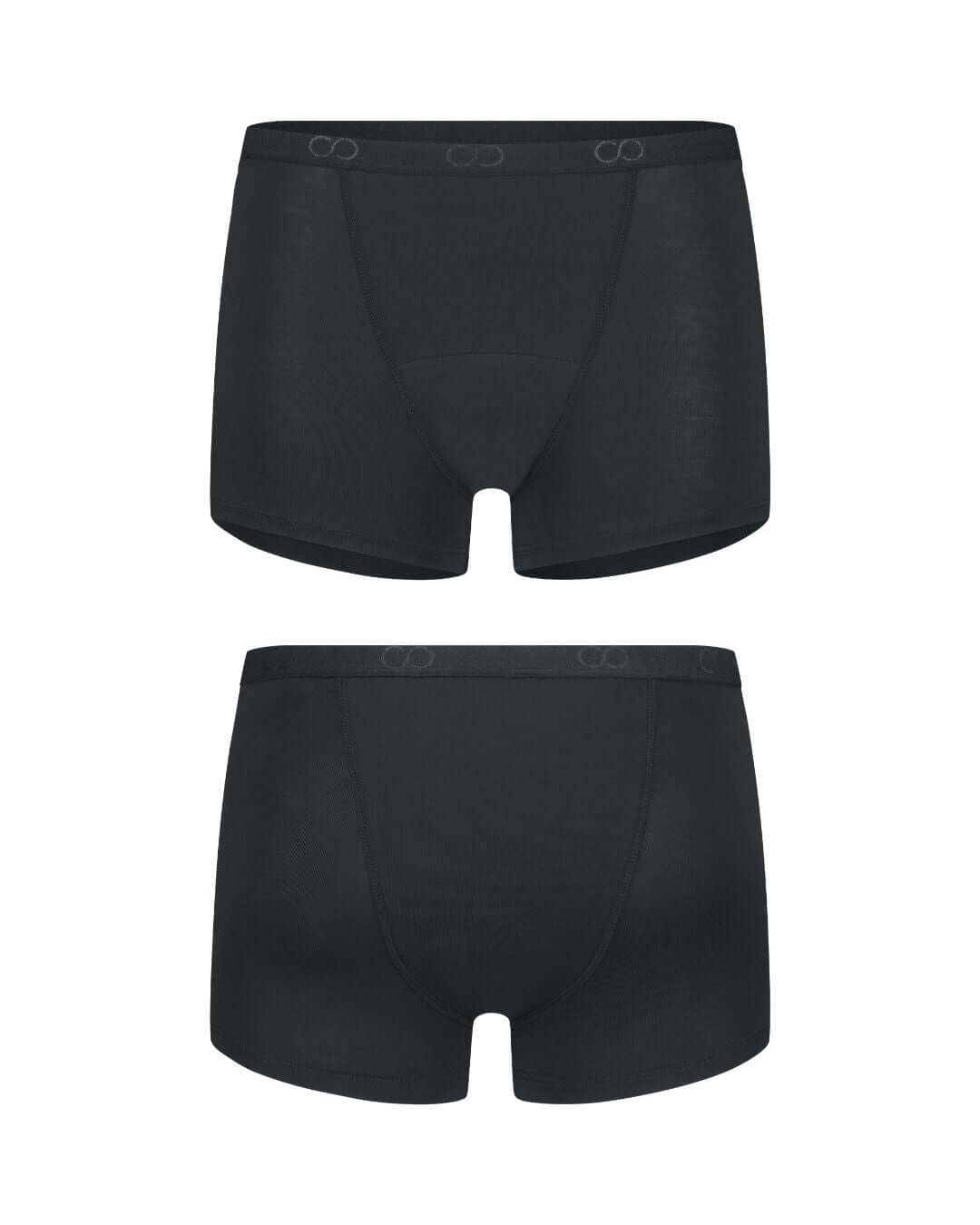
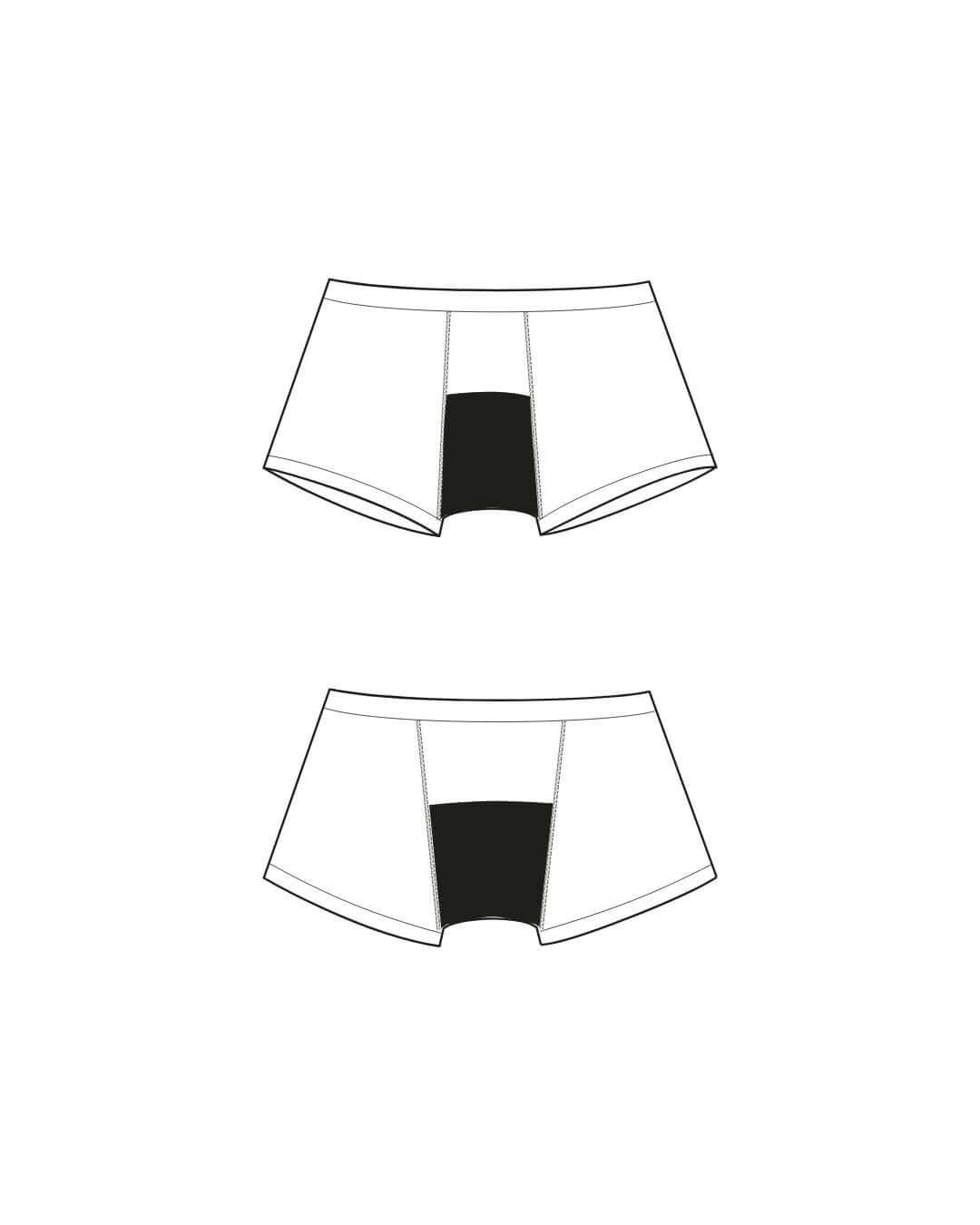
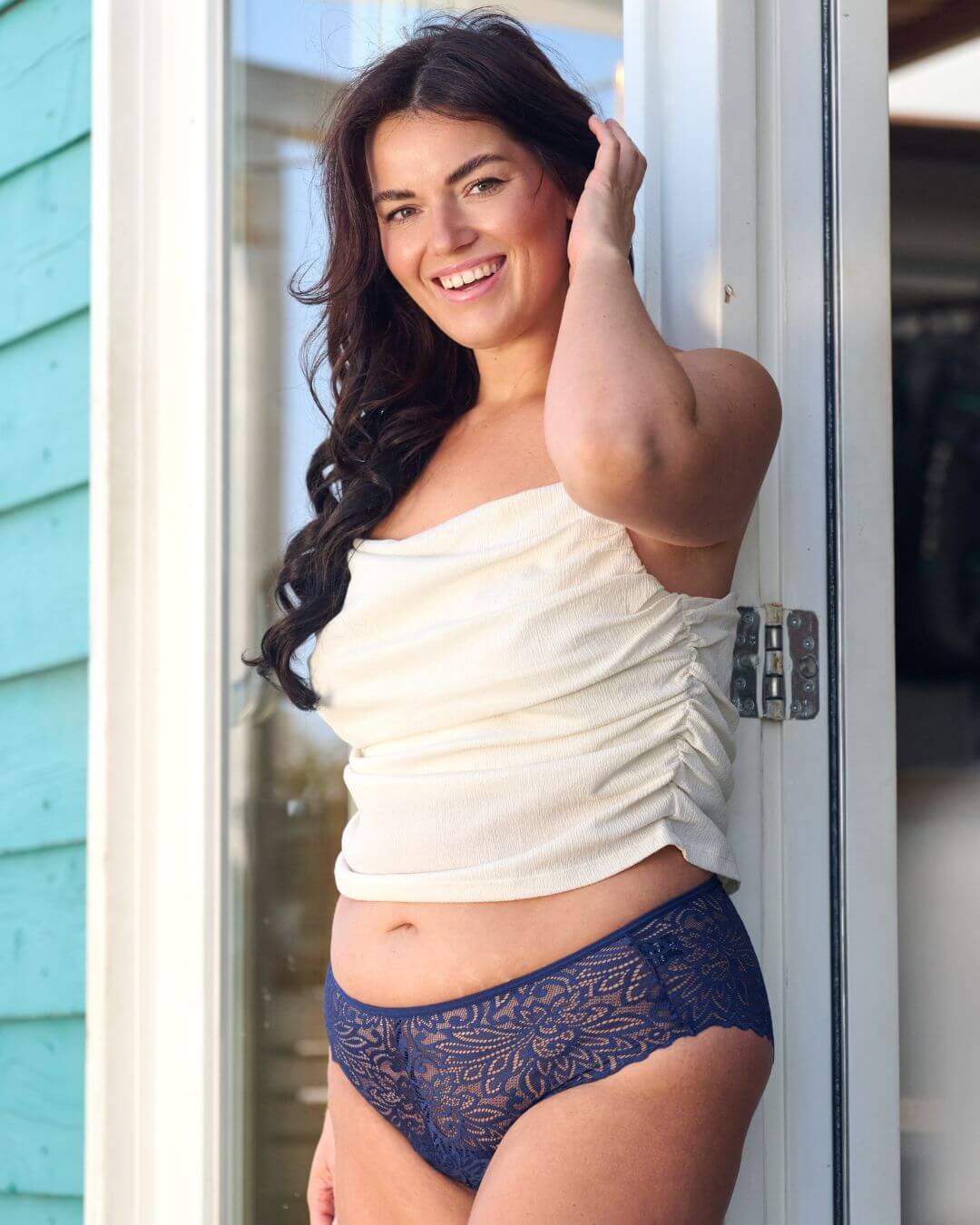
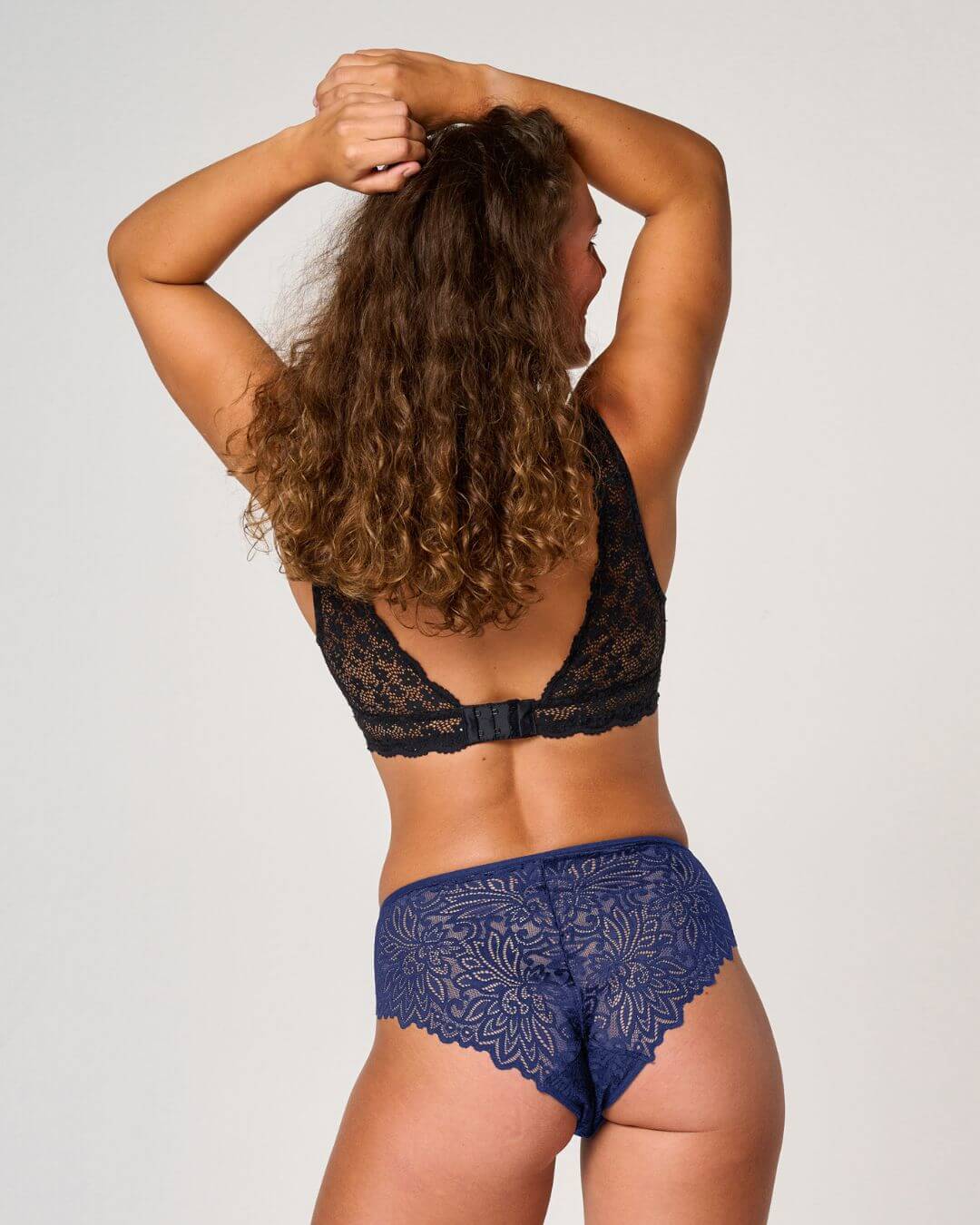
A comfortable pair of period underwear to wear when you have period pain or cramps is the high-waist hiphugger or the shaping high-waist hiphugger; a really comfortable style. It supports, has higher absorbencies and doesn't dig into your stomach.
Why can cold make your period cramps worse?
Many people notice that their period symptoms feel a bit more intense in the winter months. Your stomach reacts faster and sometimes everything just feels stronger. That's no coincidence. Cold affects your muscles, your blood vessels and your muscle tension, and those are exactly the factors that play a role in period pain.
What happens in your body when it's cold?
When the temperature drops, your body goes into a kind of protective mode. Your blood vessels contract to hold on to heat. You often feel this as cold hands and feet, but it also happens deeper in your body, around the uterus. Less blood then flows to the muscles, which makes them stiffer. A stiffer muscle reacts faster and more strongly to contractions, and that's exactly what period cramps are.
Cold also creates tension throughout your whole body. Many people hunch their shoulders, unconsciously tense their abdominal muscles or hold their pelvic floor a little tighter when they're cold. That extra tension can make cramps feel stronger than usual. If you already have heavy period symptoms, you'll often notice this difference sooner in winter.

What role does blood flow play?
When your blood vessels narrow because of the cold, less oxygen-rich blood reaches your uterine muscles. Waste products are then removed less effectively, and that can make the pain worse. Heat does exactly the opposite: it opens up the blood vessels and helps your muscles relax. In winter, heat can therefore also work preventively. By staying warm, you can sometimes reduce symptoms before they even start.
Some women are also extra sensitive to cold during their period. That can show up as cold hands or feet, or simply feeling cold all the time. Warmer clothes, an extra blanket and thick socks can help you feel more comfortable.
Why is moving extra important in winter?
On cold days you tend to stay indoors more and move less. But light movement in particular can improve your blood flow and help your abdominal muscles relax. A short walk, a quick stretch or a gentle yoga pose can already help. It doesn't have to be intense; regularity matters more than effort.
5 tips for cramps on cold days
- Dress warmly and keep your lower back and lower abdomen well covered.
- Use a heat source, such as a hot water bottle, a warm bath or heat patches.
- Move lightly, even if you don't feel great.
- Consciously relax your abdomen and pelvic floor to reduce tension.
- Drink something warm to warm your body from the inside out.
Cold doesn't cause your period pain, but it can make the symptoms worse. Warmth, relaxation and a little movement can ease much of that extra tension.

What else helps with period pain and cramps?
Besides heat therapy, there are other natural remedies that can help relieve period pain and cramps.
- Ginger tea: Ginger is known for its anti-inflammatory properties and can help reduce period pain. Drinking ginger tea during your period can have a calming effect.
- Acupressure: By applying pressure to specific points on the body, acupressure can promote blood flow and reduce pain. Trying simple acupressure techniques can bring natural relief. Do look up carefully where these points are, and don't hurt yourself.
- Regular exercise: Regular physical activity, such as light aerobics or yoga, can help reduce period pain. Exercise stimulates the release of endorphins and promotes a general sense of well-being.
- Limit caffeine and sugar: Cutting back on caffeine and sugar can help regulate hormones and reduce inflammation, which in turn can help reduce period pain. So watch out for those cravings!
Remember that every body reacts differently, so it can be useful to try different things. That way you can discover what works best for your individual needs. Combining heat therapy with these natural remedies can offer a natural way to relieve period pain and cramps.
Heat therapy is an effective and natural way to relieve period pain. By relaxing your muscles, improving blood flow and releasing endorphins, heat brings welcome relief during your period.
If you're looking for alternatives, other natural remedies such as ginger tea and acupressure can be helpful too. The most important thing is to experiment and find out which methods work best to get through your period comfortably and pain-free. Do these natural remedies not relieve the pain and cramps? Then check thuisarts.nl for more information.