How annoying is it that our bodies are already badly damaged after giving birth. And then we haven't even mentioned that with every sneeze or cough we have to hope that we make it to the nearest toilet. Not only after pregnancy, but also as we get older, many of us suffer from unwanted leaks. Not fun. Incontinence is a daily problem for many people, but it goes much further than just urinary accidents. If you recognize this, this article will help you with background information and possible solutions.
About 1 in 4 women suffer from incontinence
About 1 in 4 women suffer from incontinence. Urinary leakage occurs in women of all ages, not just the elderly. Pregnant women and menopausal women are more likely to have a weakened pelvic floor. Due to changes in hormones, the strength of the pelvic floor muscles decreases. The degree of urine loss can vary greatly, from a few drops to large amounts.
Incontinence: what exactly is it?
Incontinence is a medical condition in which the bladder or bowels do not function properly. This means that a person has no control over the release of urine. Incontinence is a very annoying condition that is still taboo. People who suffer from incontinence often feel ashamed and isolated (we previously wrote an article about this: I was ashamed of my incontinence) . This can cause anxiety, depression and has a major impact on daily life. It can further cause problems in the relationship and sexually. So it's really a serious problem.
Unwanted urine leakages are caused by various factors. Think about:
- Nerve damage
- Muscle weakness
- Excessive fluid intake
- Medication use
- Hormonal changes after menopause
- Overweight
- Cystitis
- Chronic cough
These are the 4 different forms of incontinence
There are different types of incontinence, each with their own causes and symptoms. Urinary incontinence is the involuntary release of urine when the bladder does not function properly. We have listed the most common types of incontinence:
- Stress incontinence: occurs when pressure on the bladder increases, for example when laughing, sneezing or coughing. This is common in postpartum women and older people.
- Urge incontinence: is caused by a sudden and strong urge to urinate, followed by involuntary leakage of urine. This can be caused by an overactive bladder or an underlying medical condition, such as a bladder infection.
- Overflow incontinence: when the bladder cannot be completely emptied and small amounts of urine leak. This can be due to a pelvic problem in women or an enlarged prostate in men.
- Functional incontinence: occurs in people who have difficulty moving or communicating, such as elderly people with dementia. They cannot always go to the toilet on time because they are not physically able to get there or are not aware of the need.
The symptoms of incontinence vary greatly by type. A few common symptoms are:
- The feeling that the bladder is not completely empty after urination
- Inability to hold down urine or feces
- Frequent urination
- Leaking of urine during exertion or coughing
- A sudden, intense urge to urinate, followed by involuntary leakage of urine
Treatments for incontinence
There are several ways to treat incontinence and improve quality of life.
For example, pelvic floor exercises can help with stress incontinence and urge incontinence. Enlist the help of a professional, such as a physiotherapist or sports instructor who provides special training for this. These exercises can better regulate muscle strength and control of the bladder. In addition, medication can help relax the muscles of the bladder and reduce urges.
For some forms of incontinence, people opt for surgical intervention, for example stress incontinence or prolapse of the bladder or uterus.
There are also various means that can help with incontinence, such as catheters, incontinence pants or vaginal pessaries. This is a ring that is placed in the vagina and can help with prolapse of the bladder or uterus.
You can also change your lifestyle to reduce or prevent incontinence. Avoid foods that irritate the bladder. This mainly concerns soft drinks, citrus fruits, tomatoes and tomato products, spicy foods, artificial sweeteners, sweets and acidic foods such as vinegar and sauerkraut. In addition, quit smoking and reduce alcohol and caffeine consumption.
Are you looking for more information? Then look here .
Incontinence pants are a great solution; no smell, no wet pants
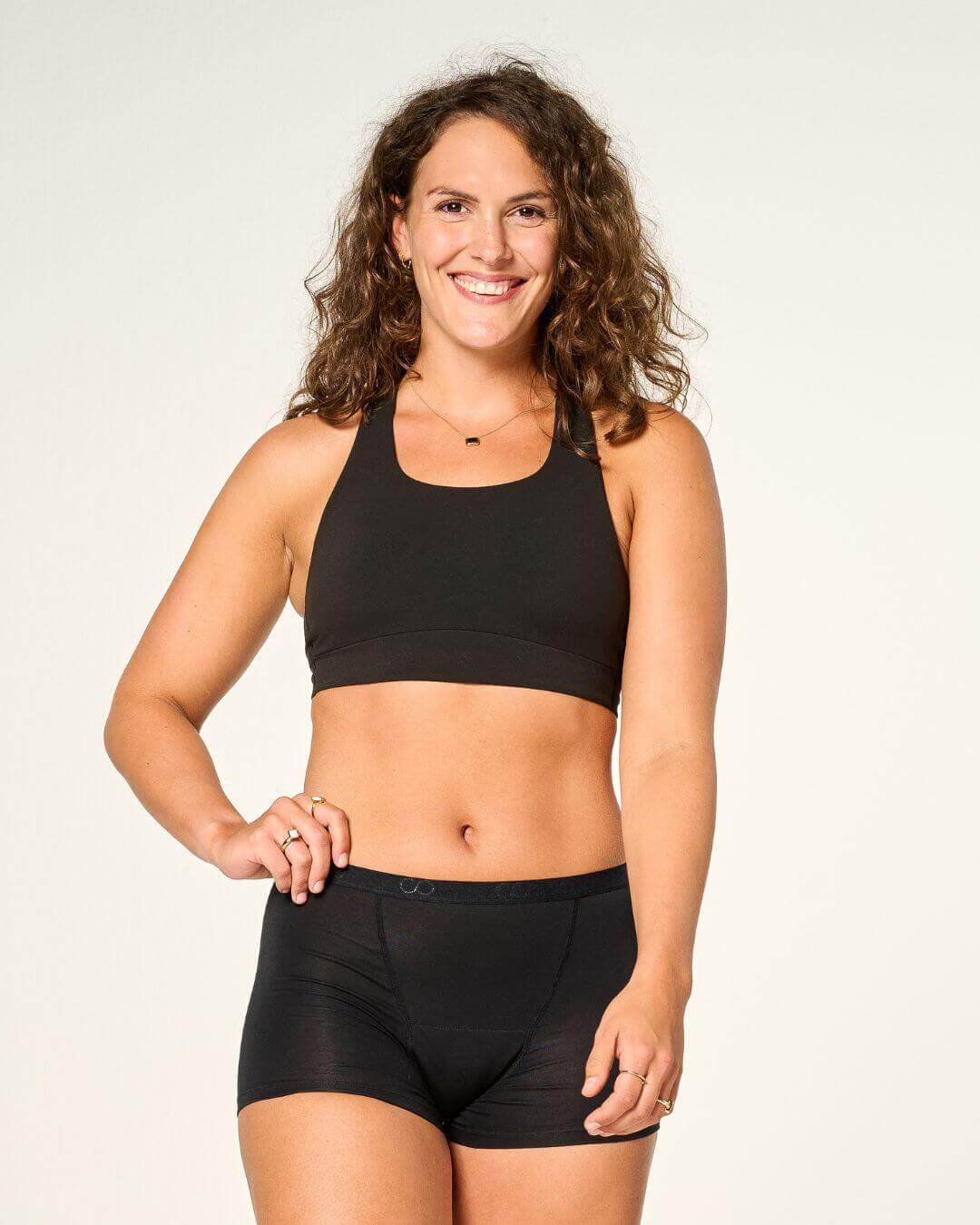
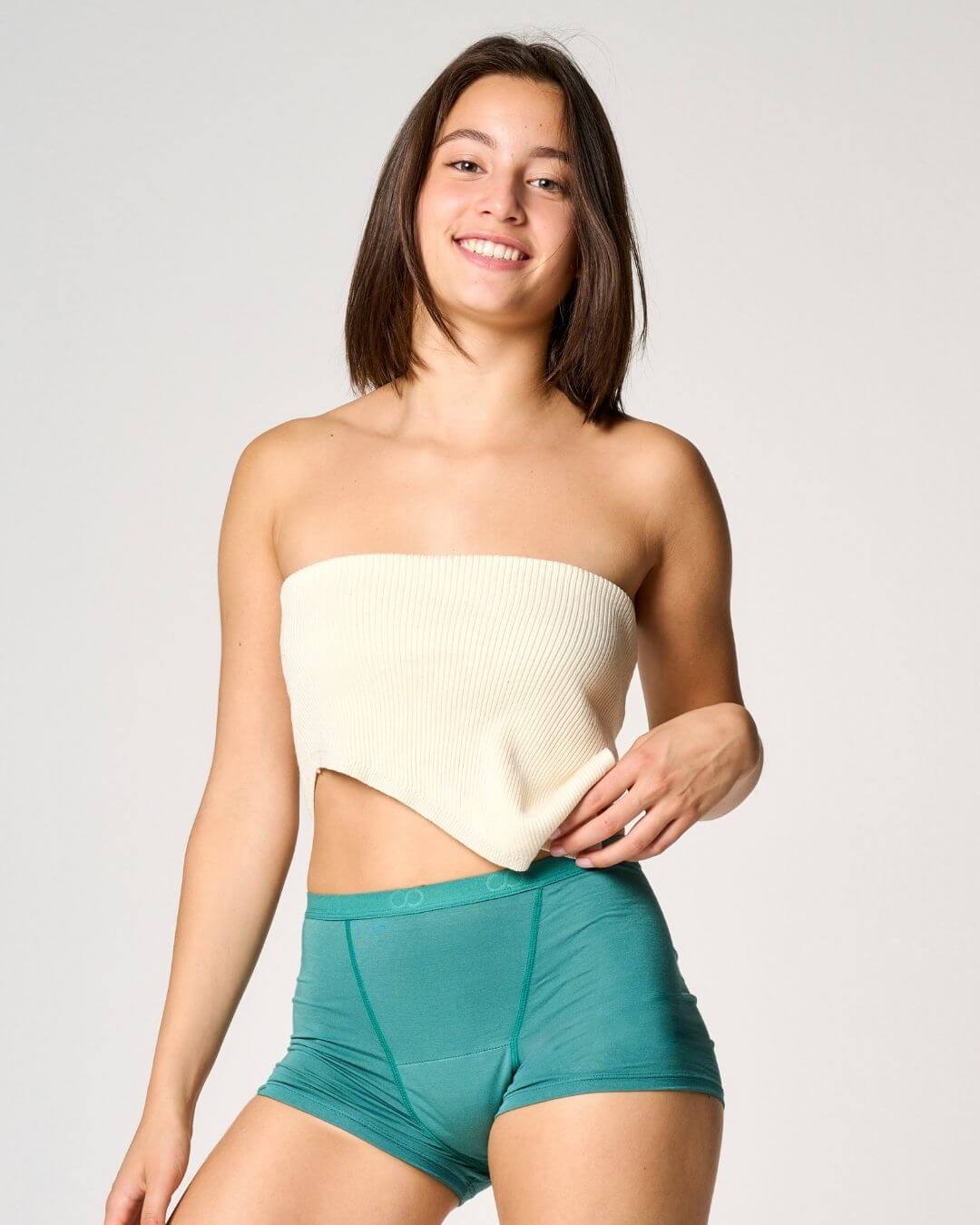
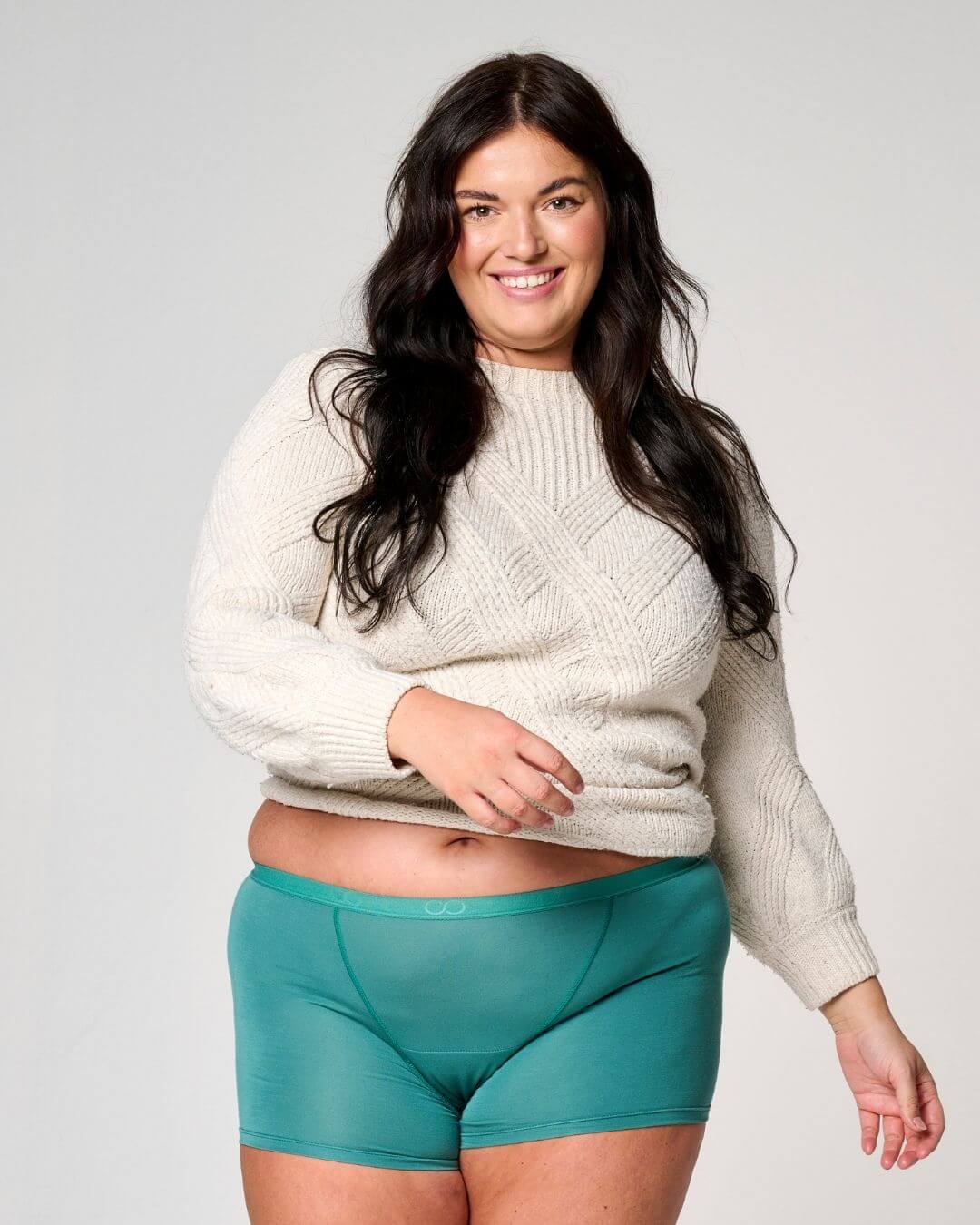
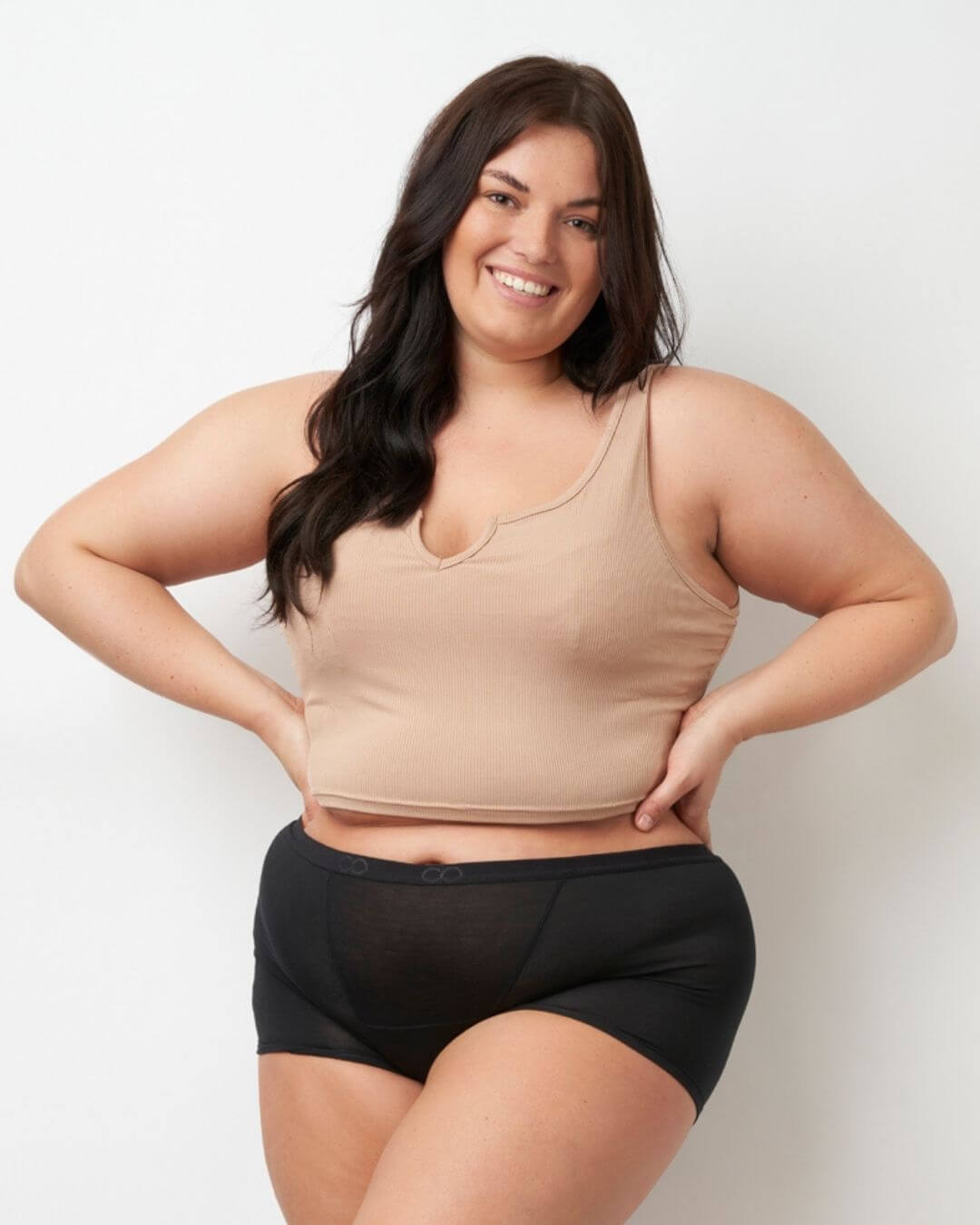
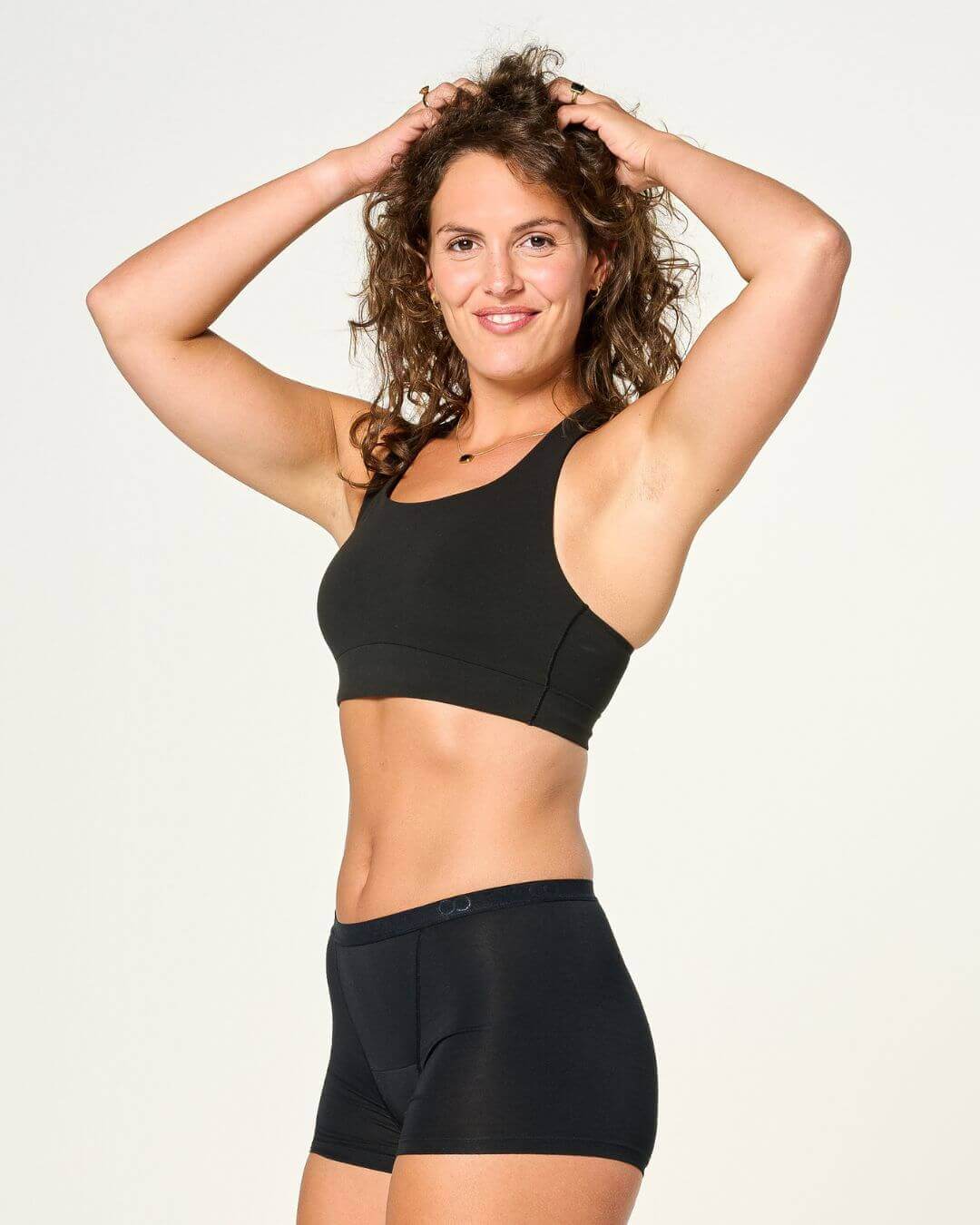
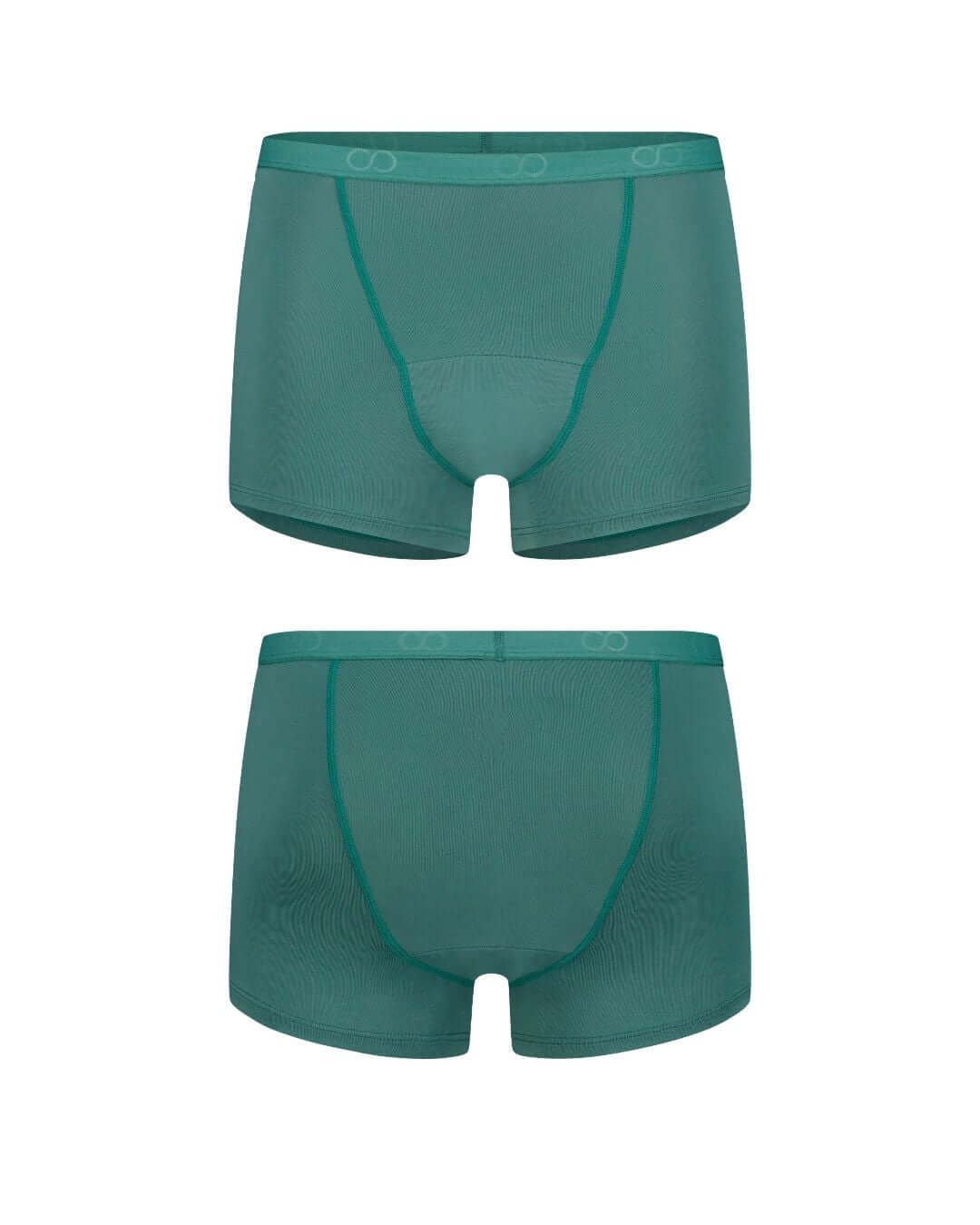
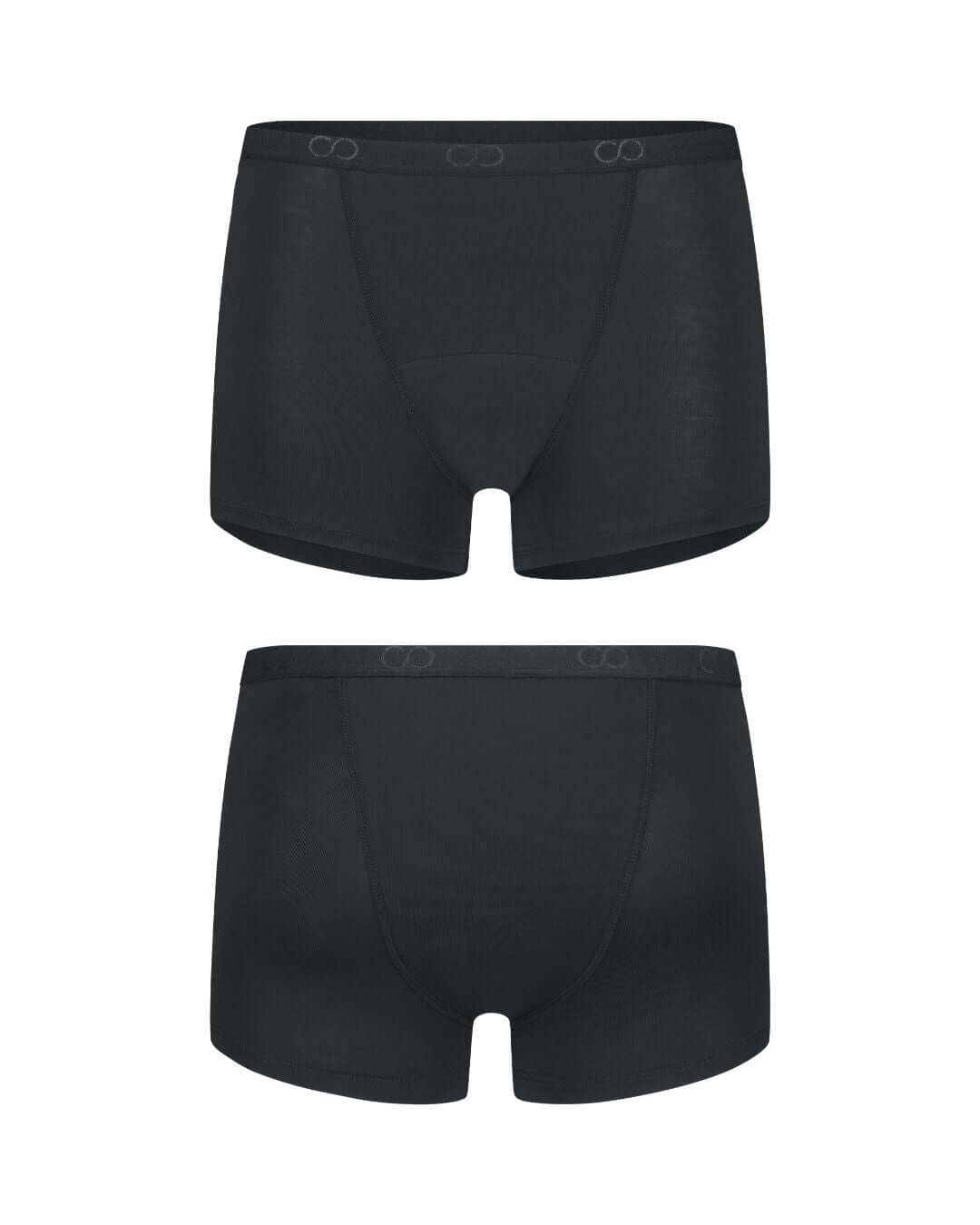
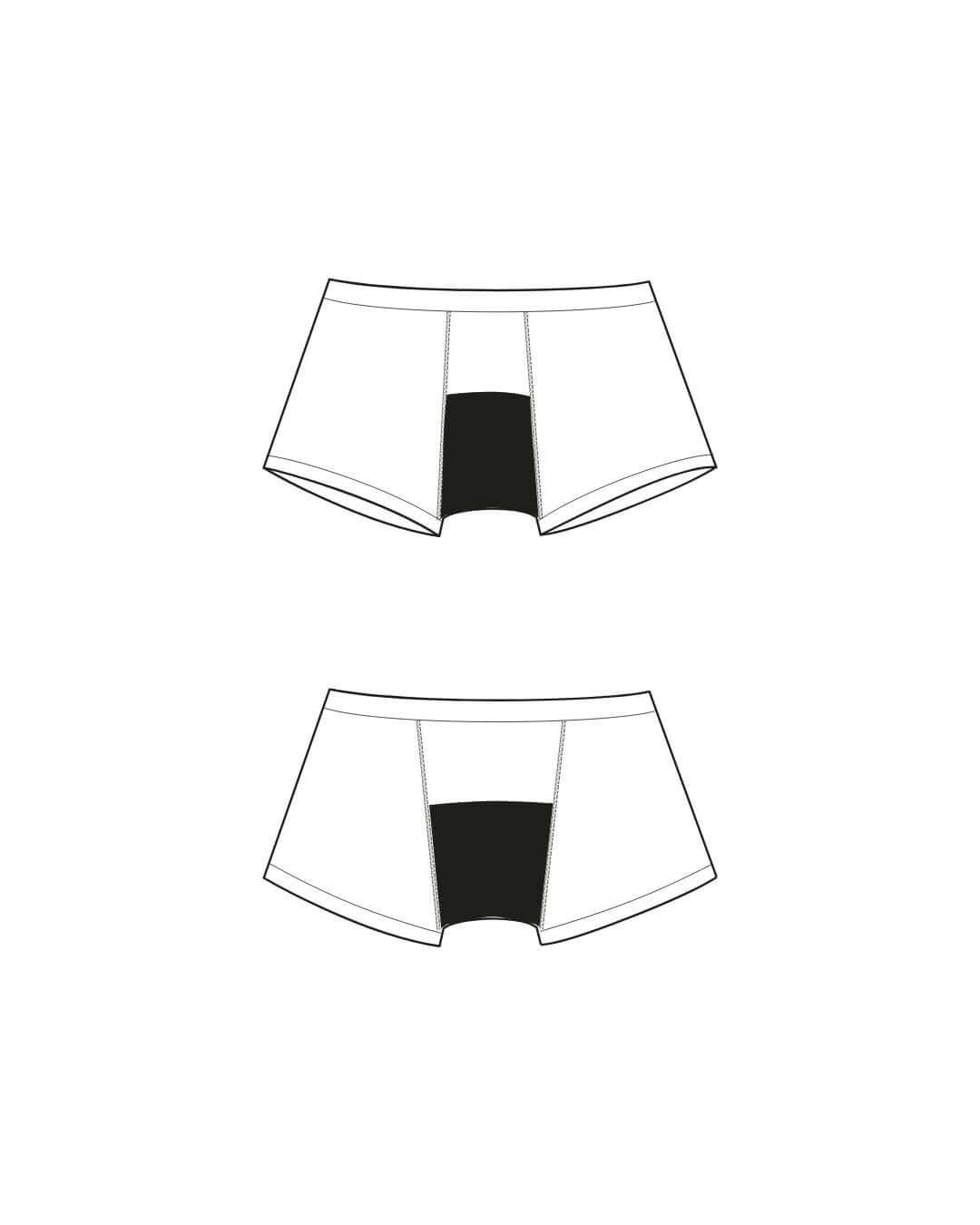
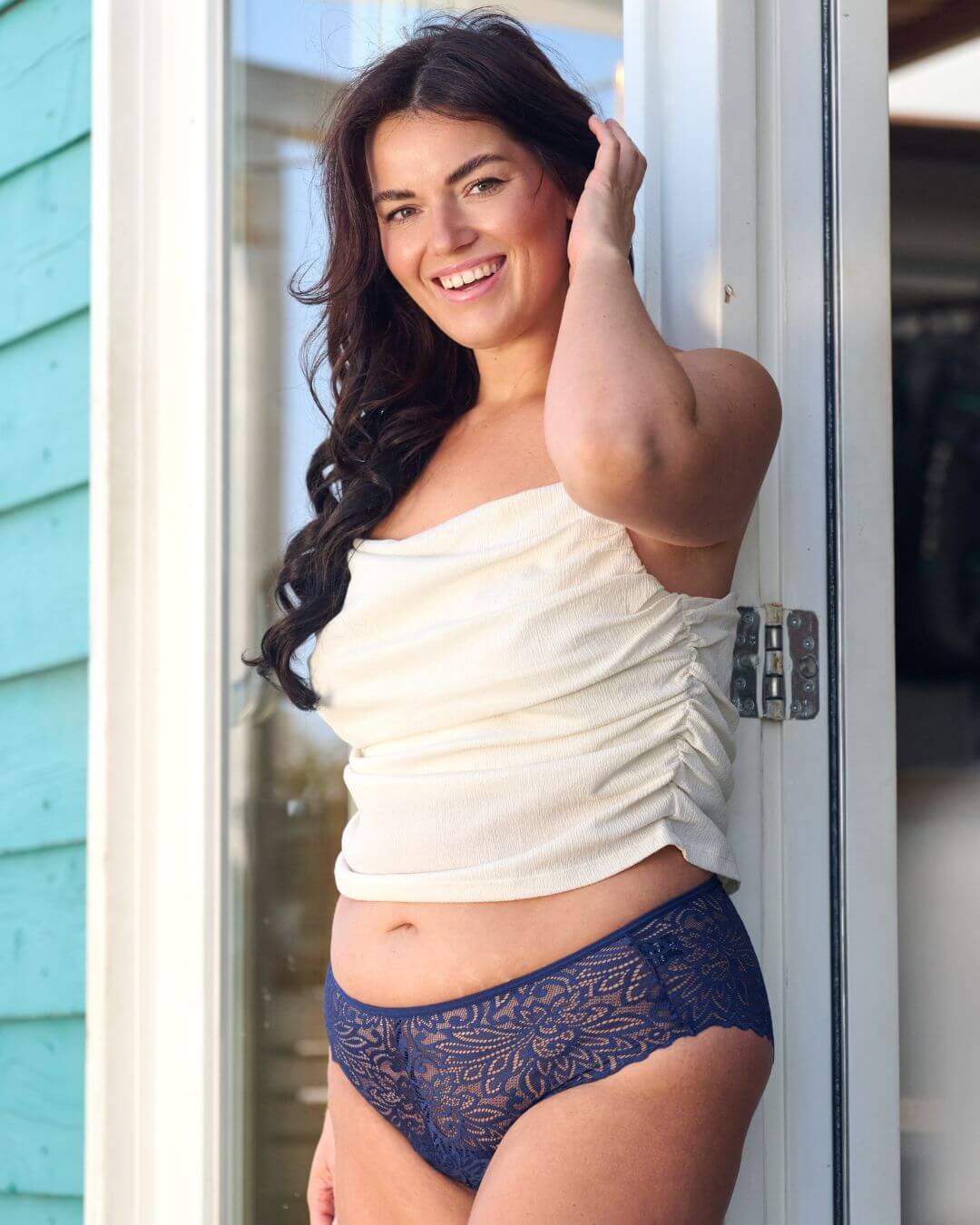
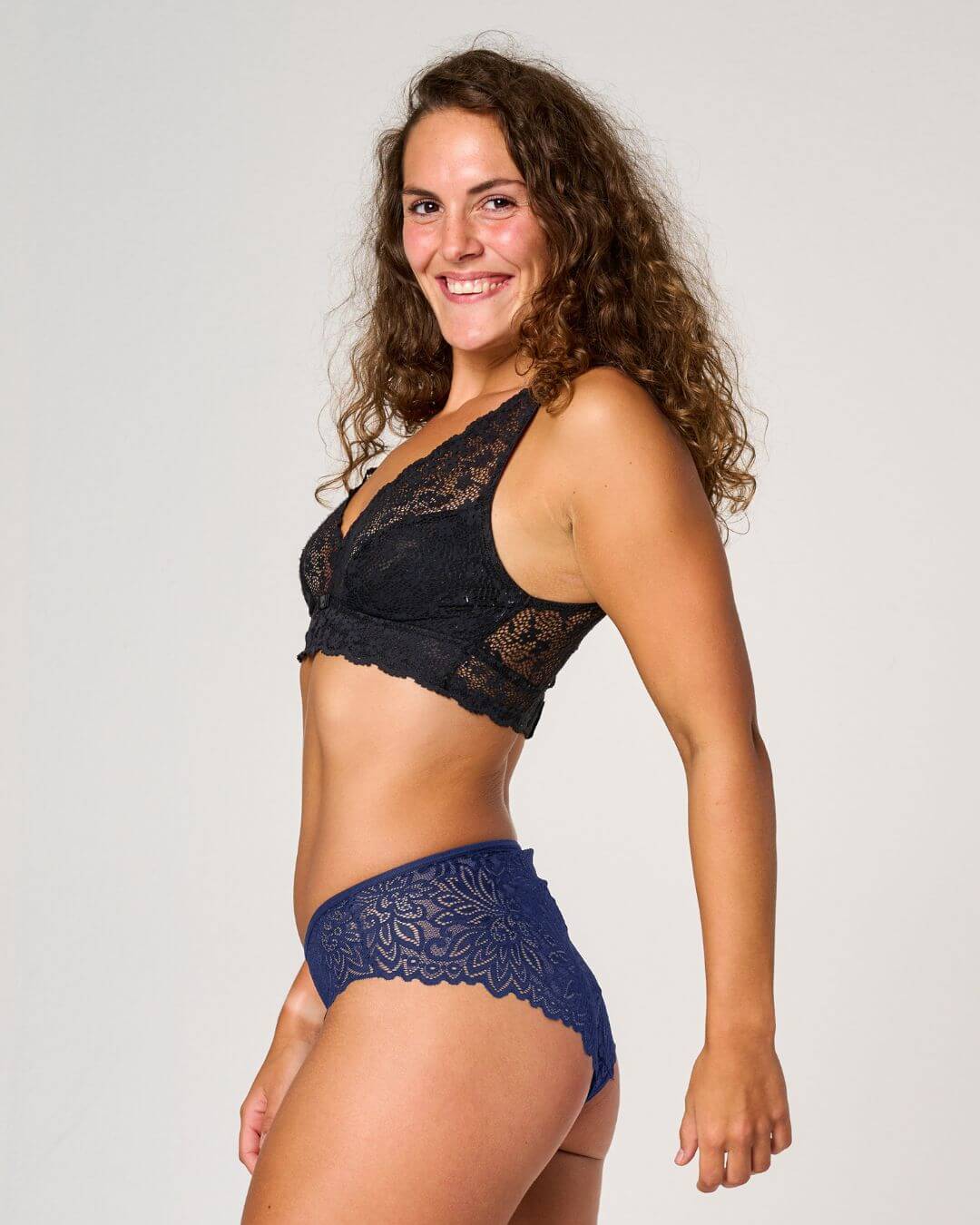
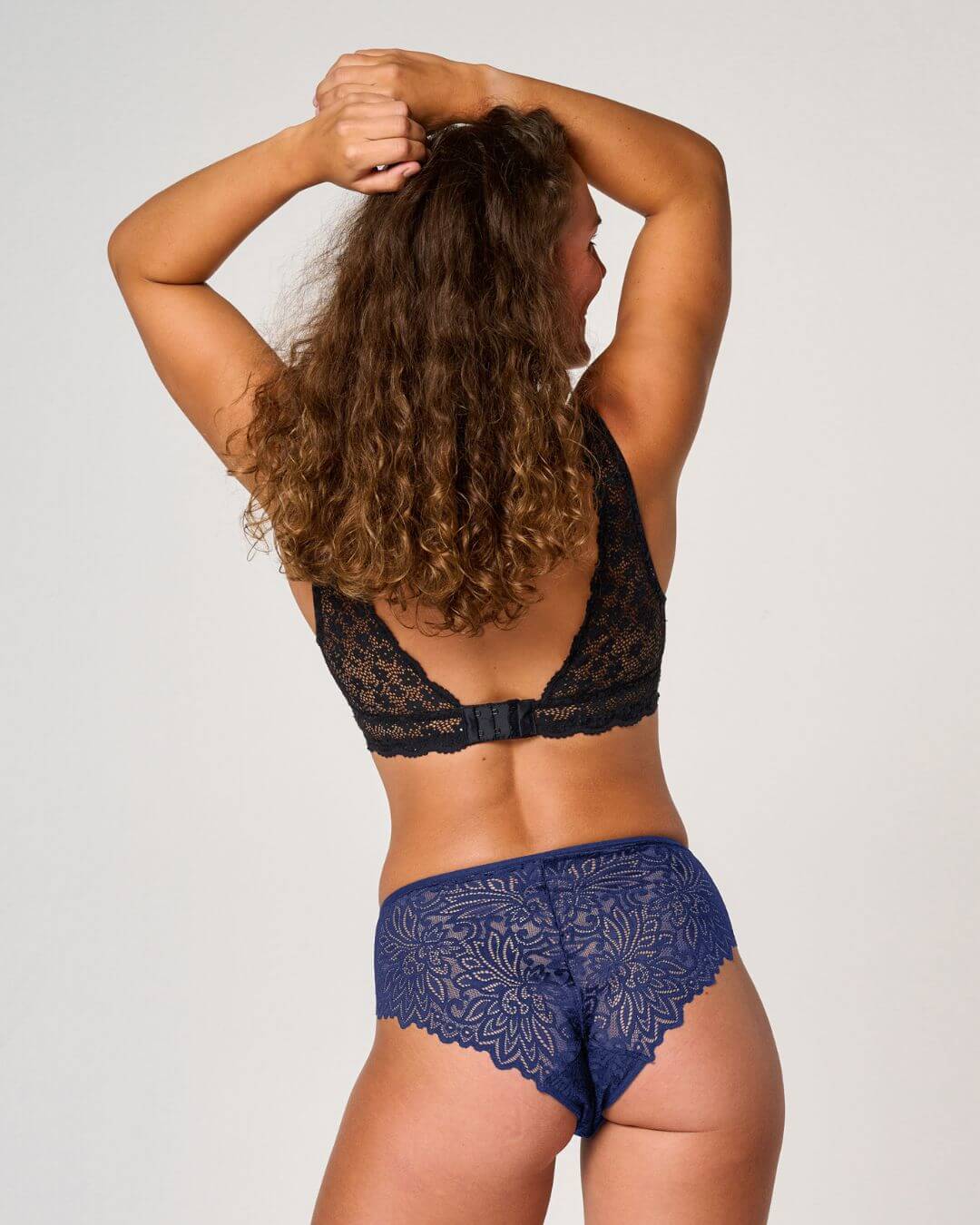
Incontinence pants are special pants designed to catch and absorb light urine loss. Moodies pants are made of soft, breathable materials that are comfortable to wear. These have an antibacterial wash. This means that hardly any odor is released and it is hygienic. No more problems with urine odors! The pants are available in different sizes and absorption levels, making them suitable for people with mild incontinence.
Incontinence pants are inconspicuous and can easily be worn under clothing, making them ideal for people who want to stay active.
It's important to remember that incontinence is a common problem and it's nothing to be ashamed of. Please seek professional help if you suffer from incontinence, so that a treatment can be found that suits you and can improve the quality of your life.
Breaking the taboo surrounding incontinence starts with open and honest communication about the condition. This is of course not a topic you would sit around chatting about at a party, but it can help to talk about it with your doctor or best friend. So that you feel supported and get more information and tips on how to deal with it.